Science
Scientists have identified 11 new species in Cambodia’s rugged rocky ecosystems, alongside remarkable biodiversity thriving in Japan’s deepest ocean trenches.
Researchers have also identified 24 previously unknown species of small crustaceans in the central Pacific.
Fisheries
The Marine Conservation Society’s Good Fish Guide, which helps consumers make sustainable seafood choices, has urged the public to “completely avoid” UK caught cod, warning that the UK government must “address these concerns to allow stocks to recover.”
The EU has announced it will raise the Northeast Atlantic mackerel Total Allowable Catch (TAC), disregarding science-based limits – a major step backward given that it had previously positioned itself as the only party committed to following scientific advice.
The West Coast groundfish fishery in the US remains a strong example of how following scientific advice can drive recovery. “The challenge now is to ensure the fishery prospers without repeating the mistakes that once brought it to the brink of collapse.”
Talks at a recent World Trade Organization summit aimed at curbing harmful fishing subsidies remain deadlocked.
The All Party Parliamentary Group (APPG) on Fisheries has launched a Call for Evidence to inform an action plan for a thriving, sustainable UK fishing industry.
UK Overseas Territories
UK parliamentarians visited the Cayman Islands in February, giving the delegation an opportunity to observe Cayman’s work in areas such as environmental protection, border security, and financial regulation.
A free app has been launched by the local non-profit FisherFolkFirst in the Turks and Caicos Islands, connecting commercial fishers directly with consumers and making it easier to buy locally caught seafood.
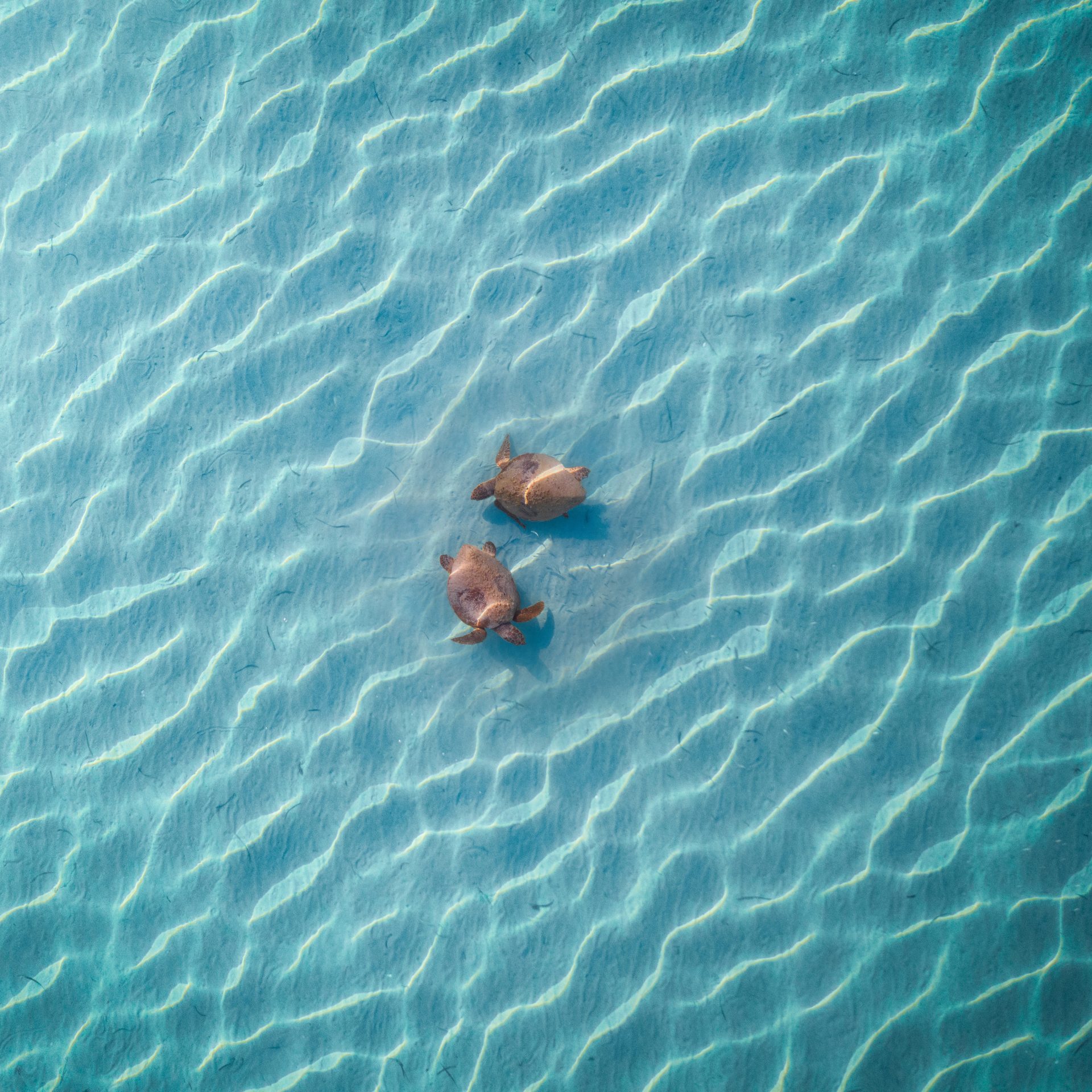
The Marine Conservation Society have highlighted efforts to protect sea turtles in the Turks and Caicos Islands, where conservation work with local communities is helping turtle populations recover
Veta Wade explores the tension between a deep love for the ocean and frustration with the systems that govern it, calling for more just, community-led approaches to ocean stewardship and reform.
Marine Protection
A new government assessment from the Department for Environment, Food and Rural Affairs shows the UK is failing to achieve Good Environmental Status in 13 out of 15 indicators used to measure ocean health.
The United Nations’ Preparatory Commission for the High Seas Treaty concluded last week, making some progress despite ongoing political disagreements and unresolved issues that continue to threaten delays in effective ocean protection.
EU citizens leading an anti-shark finning initiative have filed a complaint against the European Commission, alleging it has been slow to respond despite strong public support.
Rice’s whales face an increased risk of extinction after the Trump administration rolled back protections and opened parts of the Gulf of Mexico to expanded oil and gas development. “‘Unprecedented’ is too mild a term for it – it’s beyond belief. Donald Trump likes being first and if this is upheld he will be the first president to make the conscious decision to make a whale extinct. It will happen before our very eyes. What a black mark on our legacy that would be.”
Conservation
40 new protections for species were agreed at the recent meeting of the Convention on Migratory Species of Wild Animals.
Antarctic fur seals have been newly classified as endangered.
Giant otters have been newly listed as a threatened migratory species after their population declined by 50 per cent over the past 25 years across South America’s river systems.
Nearly half of migratory seabird species are in decline, but identifying and protecting their oceanic migration routes could help drive more coordinated global conservation efforts.
Stronger monitoring and border controls have resulted in zero reported cases of illegal crayfish smuggling in Malawi over the past year.
Climate Crisis
Experts have warned against the UK opening new oil and gas fields in the North Sea, saying that “new drilling and decelerating climate action would be bad for growth and for energy security in the UK, and a damaging signal for the world.”
In Hawaii, discarded fishing gear and plastic debris are being recycled into durable paving materials.
Microplastics have been detected in fish in the remote South Pacific nation of Tuvalu.
New research shows that the recovery of an endemic seagrass species was driven by stronger environmental regulations. “We cannot just play God and plant what we destroy. We need to calm down in the way we use nature, and we need to respect it.”
Misc
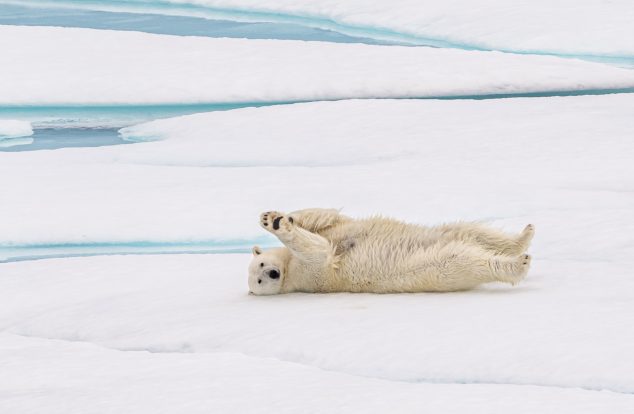
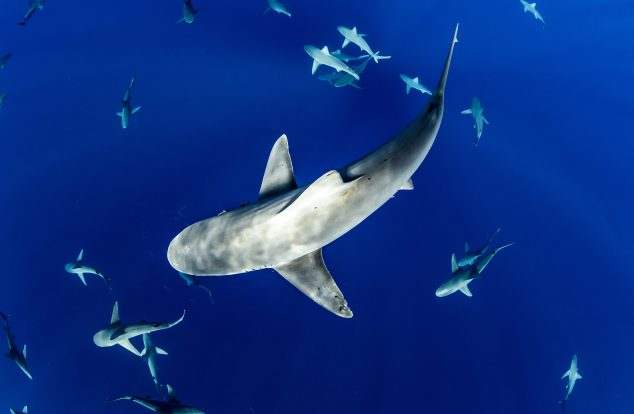
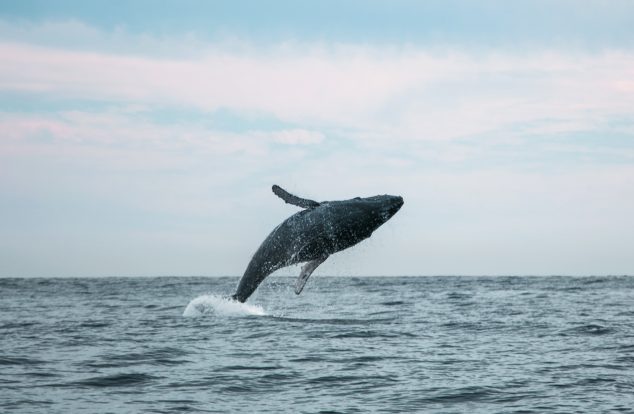
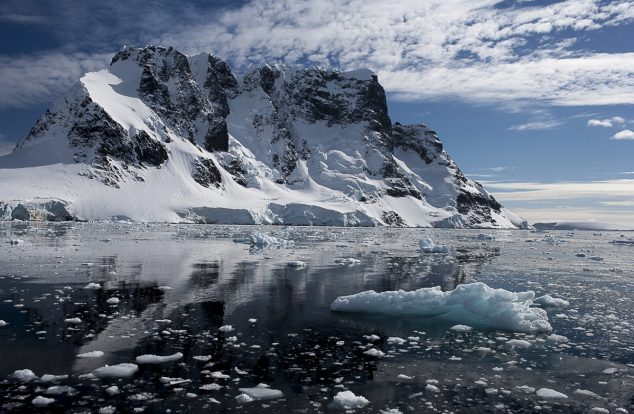
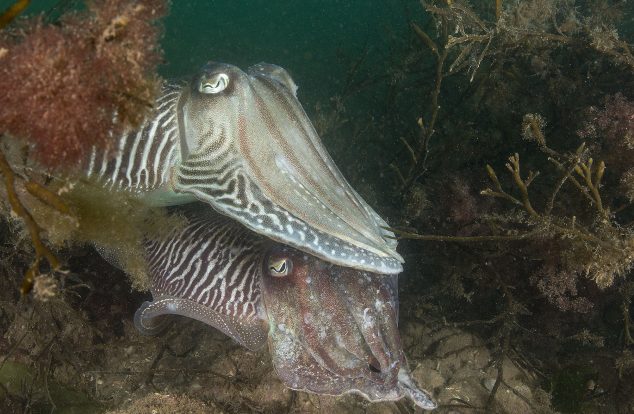
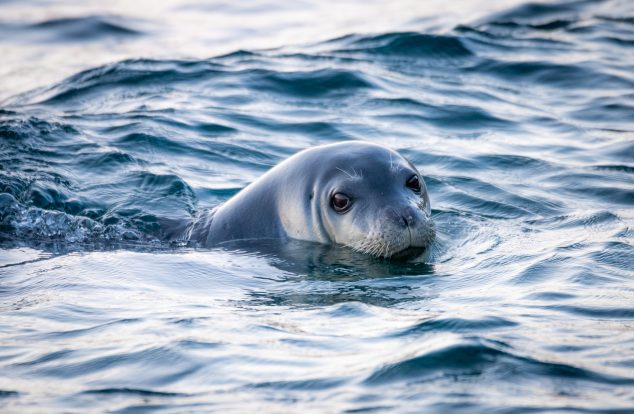
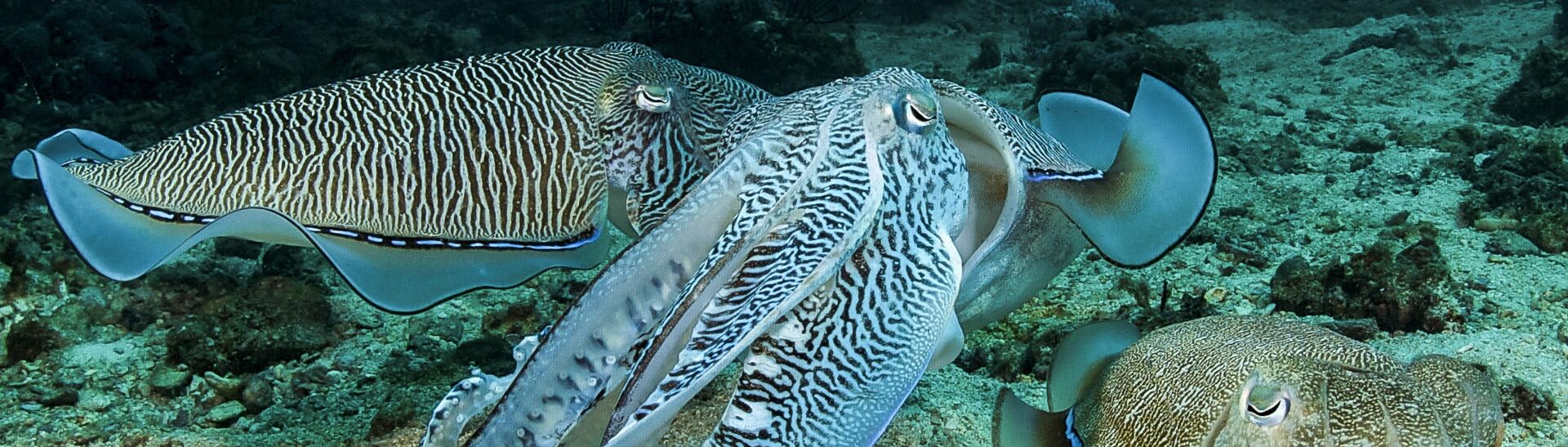
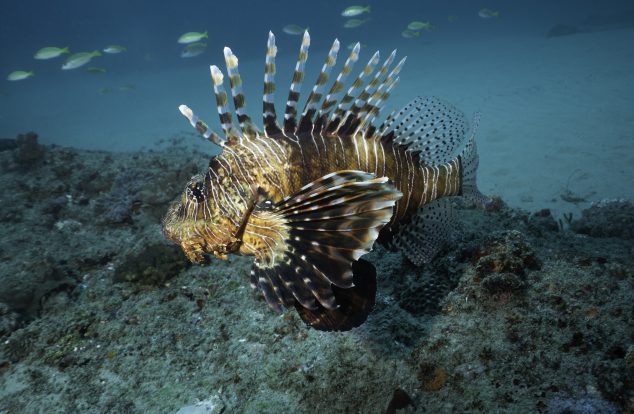
This week’s wildlife photos.