Fisheries
Fishing has been suspended in part of the North Sea sandeel fishery after bycatch of horse mackerel surpassed the allowable limit, activating a precautionary management measure.
A review of historical research found that intense fishing pressure was the primary cause of high mortality in Icelandic cod stocks during the 1950s, rather than natural factors, highlighting the long-term impact of human exploitation on the species.
New findings on blue whiting are helping scientists better understand changes in the species’ population patterns.
Peru has introduced a temporary pause on small-scale giant squid fishing while plans are developed to manage possible disruption linked to El Niño conditions.
UK Overseas Territories
Andy Burnham is reportedly set to continue with plans for the Chagos Islands agreement.
While illegal fishing has continued in the Chagos Archipelago, the establishment of the Chagos Marine Protected Area has reduced fishing activity from distant-water industrial fleets by more than 95%. “Initially, those foreign industrial fisheries caught about 100 tonnes (110 tons) a year. Effort increased, and by the mid-1990s and early 2000s, they were extracting up to 17,000 tonnes (19,000 tons) of fish per year. Once the no-take MPA was set up, their catches declined, now amounting to about 600 tonnes (660 tons) a year.”
Watch this talk by Michael Saunders, a young national of the Turks and Caicos Islands, as he explores the concept of climate debt in the Caribbean and the unequal impacts of the climate crisis on small island nations, while highlighting the role of initiatives such as the Blue Belt Programme in supporting ocean protection and resilience.
Marine Protection
“The UK’s ratification of the High Seas Treaty, joining more than 90 countries that have now formally adopted the agreement, is a major step forward for ocean protection. It mirrors the leadership the UK has already shown through the Blue Belt Programme, which has helped safeguard vast areas of ocean across its Overseas Territories.”
“For a marine protected area, a line on the map is supposed to carry legal weight. It tells fishing vessels where they may not go. It tells managers where their authority begins. It tells governments what they have promised to protect. In the open ocean, that line can be hard to defend. Fish move through it. Currents cross it. Plastic and lost gear drift into it. A reserve may be closed to fishing vessels and still receive the debris of industrial fishing.”
Conservation
Pacific gray whale numbers have fallen dramatically in recent years, with scientists pointing to changing ocean conditions and ecosystem disruptions as key factors affecting the species’ survival.
As legal recognition of nature’s rights continues to grow, the Scottish Association for Marine Science has become the latest organisation to grant the ocean a trustee role.
“In my lifetime of ocean activity I’ve never encountered more sharks than now, not just in Australia but in New Zealand as well. There are places I no longer spearfish because the mere sound of a speargun fired soon lifts the familiar silhouettes from the depths beneath.”
Climate Crisis
Experts caution that an intense El Niño could place further strain on global food systems, causing price increases and prolonged economic effects through to 2028.
Analysis of media reports on the June heatwave found that many news stories overlooked the role of climate change in driving the extreme temperatures, despite clear scientific links.
Politicians from across Scotland and the UK have backed a commitment to challenge the Rosebank oil project, raising concerns about its climate implications and the need for greater investment in renewable energy.
Smoke from widespread wildfires in Ontario has severely affected air quality across Canada, with Toronto experiencing hazardous pollution levels among the worst recorded globally.
Misc
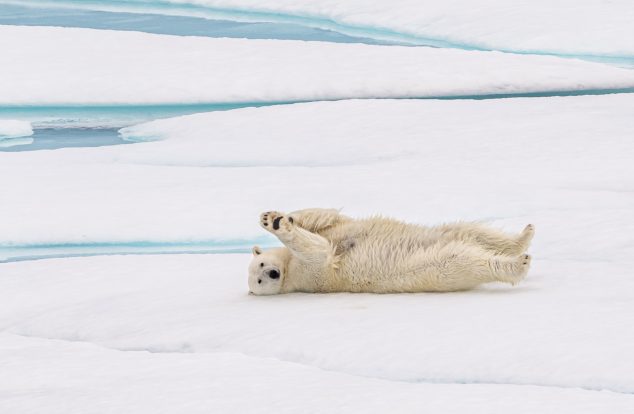
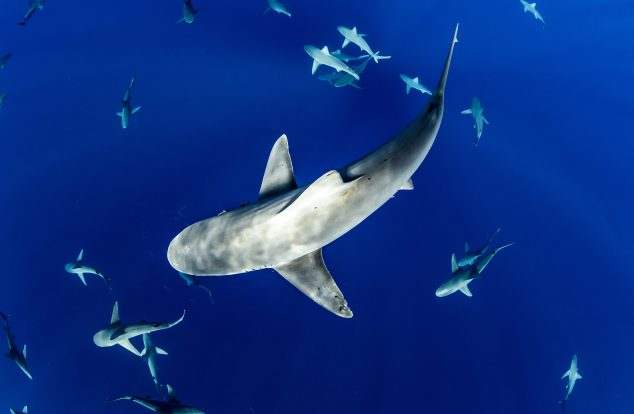
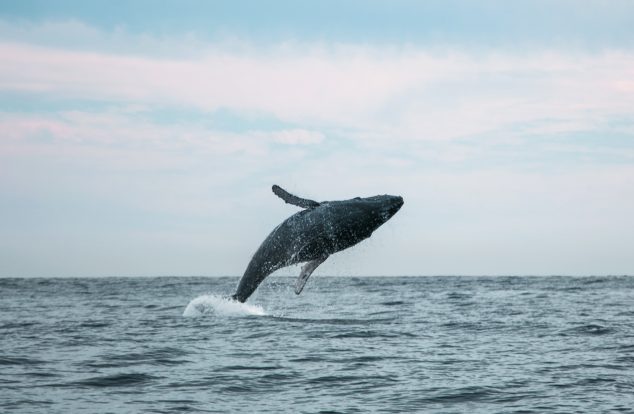
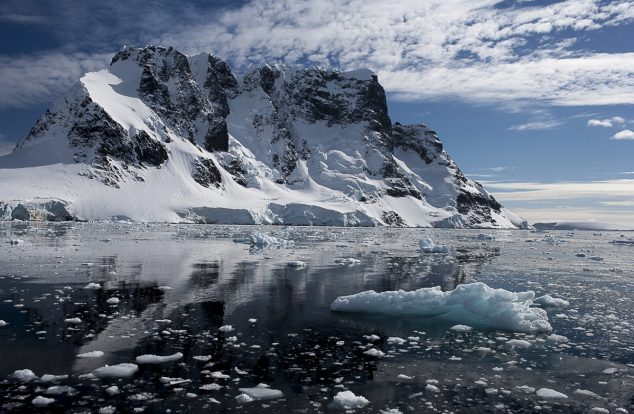
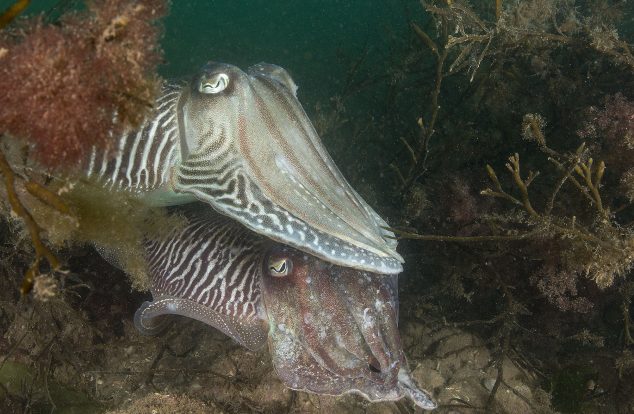
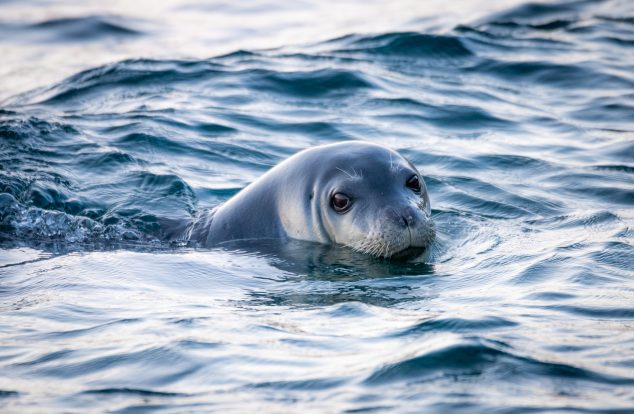
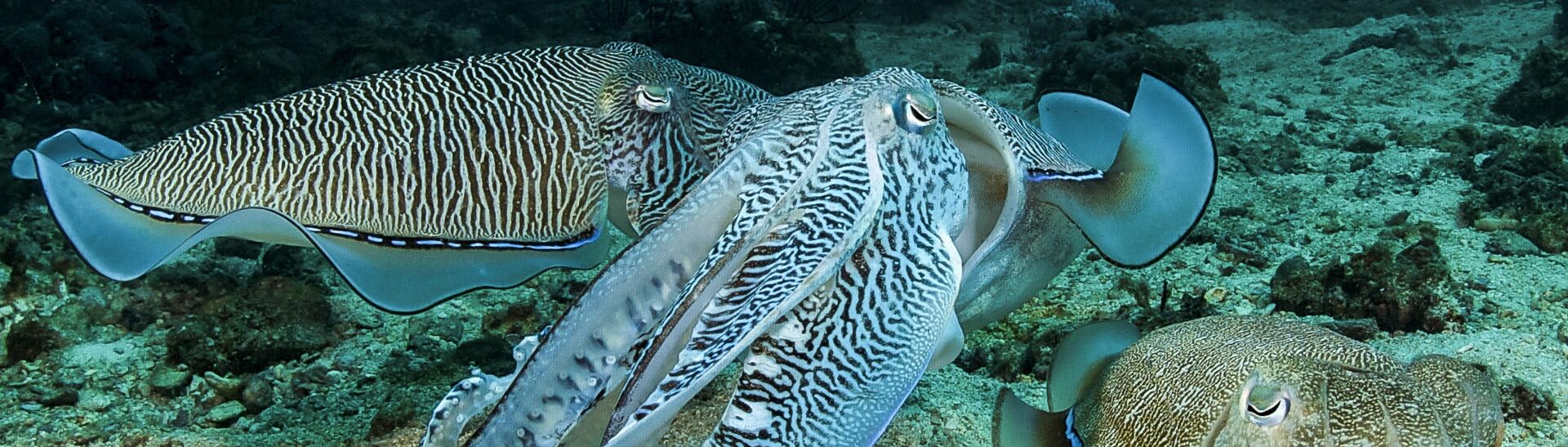
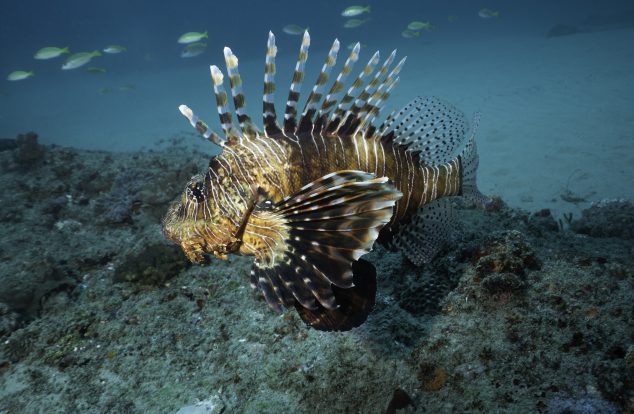
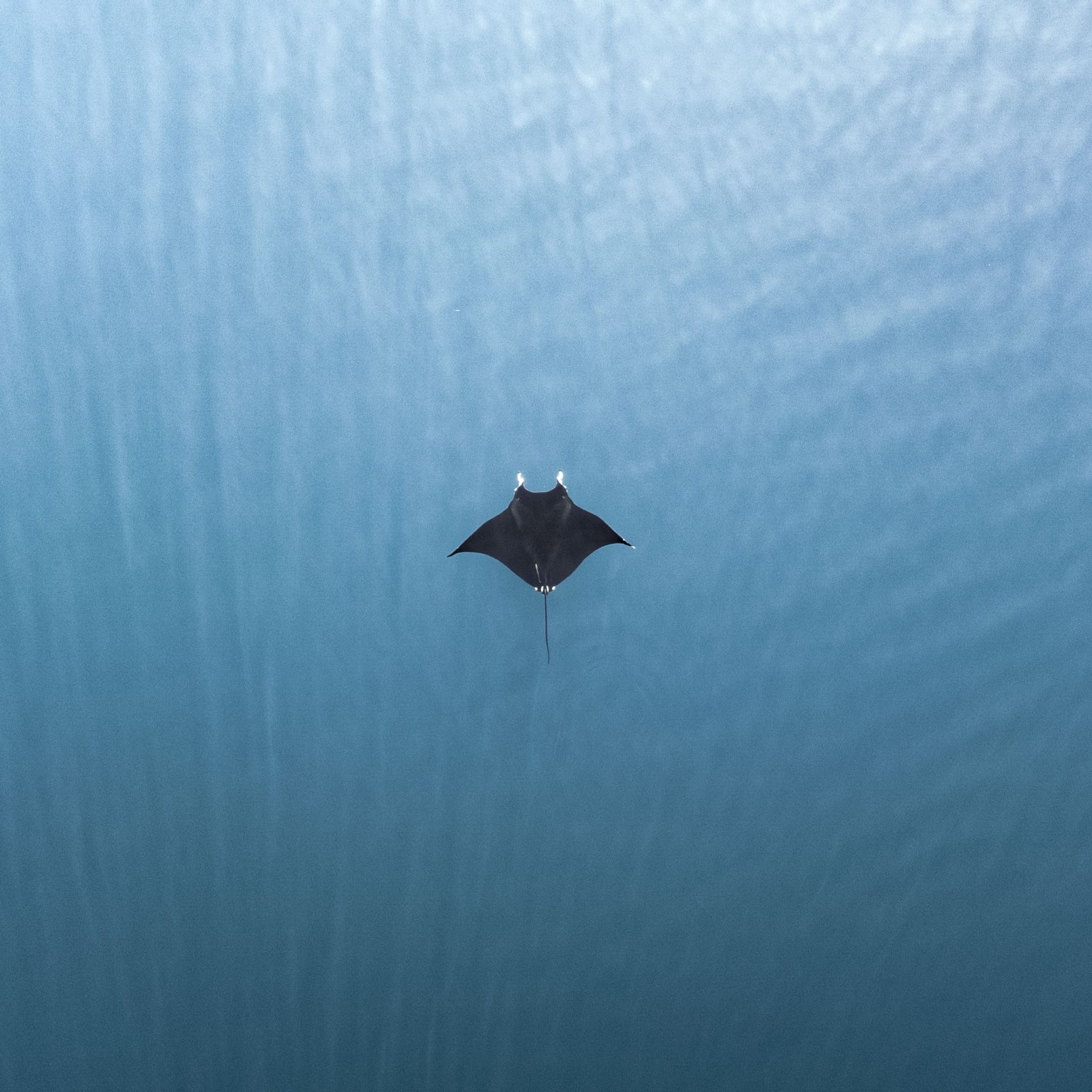
This week’s wildlife photos.
“Ocean acidification is not simply a modern environmental problem. It is becoming a planetary-scale signal that records how human activities are altering Earth’s long-term carbon cycle.”
“Why climate scientists need to talk more about the very worst‑case scenarios – London is underwater. The Houses of Parliament, Buckingham Palace, St Paul’s Cathedral and the Bank of England are all submerged. Far away, the West Antarctic and Greenland ice sheets have collapsed, triggering accelerated sea-level rise which, combined with a storm surge in the North Sea and a high spring tide, has led to water flooding over the Thames Barrier. Thousands of shops, offices, schools and houses are several feet deep in effluent-rich water.”