Science
New species of deep-sea shark and crab have been discovered off Western Australia, revealing how much of the deep sea is still unknown
After birth, humpback whale calves require 38 times more energy to grow than they did in the womb.
Fisheries
Pelagic fish stocks like mackerel, blue whiting and herring are at risk of collapse in the North-East Atlantic, prompting calls for coastal states to take stronger action against overfishing. The recent recommended cut in mackerel catches has been described as a “rescue mission for the stock”.
Octopus farming has been criticised for harming marine life by relying on wild-caught feed, spreading disease, and damaging habitats, rather than addressing overfishing.
French scallop stocks are at historically high levels, but experts caution against increasing catches due to a decline in juvenile populations, which may affect future recruitment.
The Port of Montreal’s planned expansion threatens the endangered copper redhorse, a fish species found only in Quebec, due to habitat destruction and potential contamination from dredging activities.
UK Overseas Territories
During his first official visit to the Cayman Islands, UK Overseas Territories Minister Stephen Doughty reaffirmed the UK’s commitment to environmental protection, including the Blue Belt and Darwin Plus Programmes.
Understanding local attitudes toward shark interactions on Ascension Island has been shown to inform conservation efforts and reduce human-shark conflicts.
Marine Protection
A 26-year study in Sweden shows that banning trawling helped some sea life recover, but heat-sensitive species are still declining due to warming waters.
Indonesia plans to designate 17 seagrass habitats as national strategic areas for blue carbon, aiming to enhance climate resilience and coastal livelihoods.
Marineland, a Niagara Falls amusement park, has threatened to euthanise 30 beluga whales unless the Canadian federal government provides financial assistance, following the denial of its request to export the whales to a Chinese theme park due to ethical concerns.
A recent study reveals that approximately 90 per cent of marine aquarium fish sold online in the U.S. are wild caught, posing significant risks to coral reef ecosystems and endangered species.
Conservation
The green turtle has rebounded from endangered status to Least Concern thanks to decades of conservation efforts, though ongoing threats like habitat loss and climate change remain.
California’s marine mammal populations, including sea lions and whales, have rebounded over the past 50 years thanks to the U.S. Marine Mammal Protection Act, though climate change, pollution, and proposed legislative changes now threaten these gains. Southern right whales near Argentina have rebounded from near extinction, while those near South Africa are producing fewer calves.
Over 100 Indigenous leaders met at the IUCN World Conservation Congress in Abu Dhabi this week to guide conservation efforts and highlight their leadership in protecting the environment.
Climate Crisis
New Zealand’s seas are warming 34 per cent faster than the global average. With marine heatwaves becoming more frequent off the UK and Irish coasts, threatening marine life and fisheries, a UK intelligence report also warns that the climate crisis and ecosystem collapse pose serious national security risks.
Las Piñas-Parañaque Wetland Park, Metro Manila’s last remaining functional mangrove forest, shelters over 160 bird species and many marine animals but is threatened by possible reclamation projects despite being protected.
For the first time, global electricity generation from wind and solar has surpassed coal, driven by rapid growth in China and India, with solar named the world’s cheapest power source, marking a significant milestone in the transition to renewable energy. Meanwhile, as the shipping industry pushes toward net-zero emissions, the race is on to develop low- and zero-carbon fuels and scale up their widespread use.
Over 900 lawmakers across Latin American have united to propose legislation banning fossil fuel expansion in the Amazon.
Plastics
Plastic pollution is threatening marine ecosystems, harming endangered coral reefs by impairing reproduction and growth, and causing Antarctic krill to eject more food when exposed to microplastics, potentially disrupting carbon sequestration and broader ocean health.
UK plastic waste exports to developing countries rose 84 per cent in early 2025, mainly to Malaysia and Indonesia, drawing criticism.
The UN plastics treaty chair, Luis Vayas Valdivieso, is resigning after failed talks in Geneva and reports of behind-the-scenes pressure from the UN Environment Programme.
Aquaculture
Storm Amy caused about 75,000 salmon to escape from Mowi’s farm in Scotland after a pen net tore.
Global fishmeal production rose 8 per cent in early 2025, despite drops in Northern Europe, mainly due to higher demand in China.
Misc
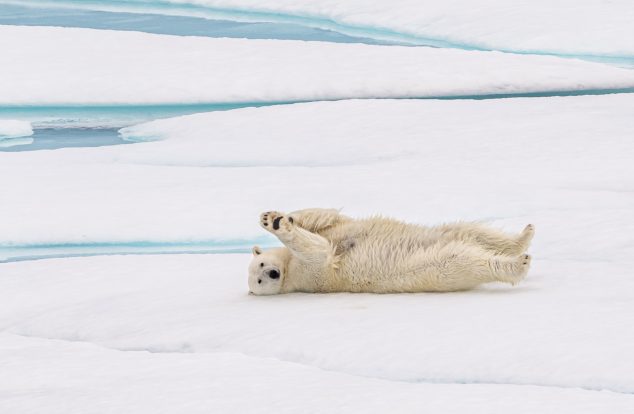
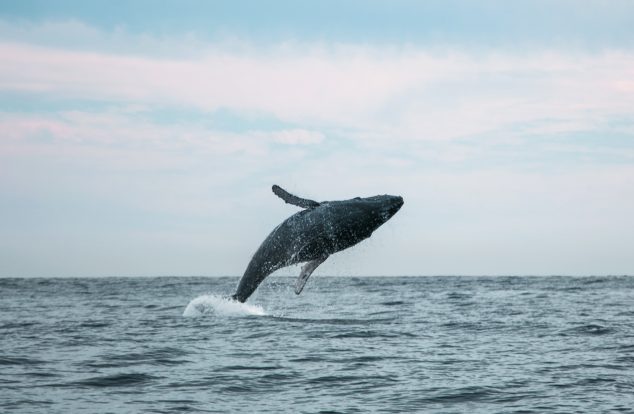
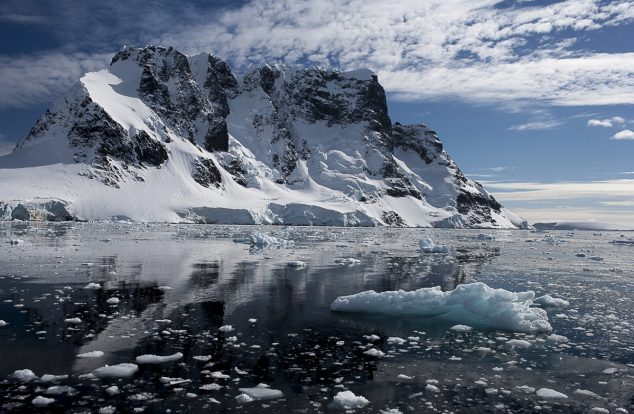
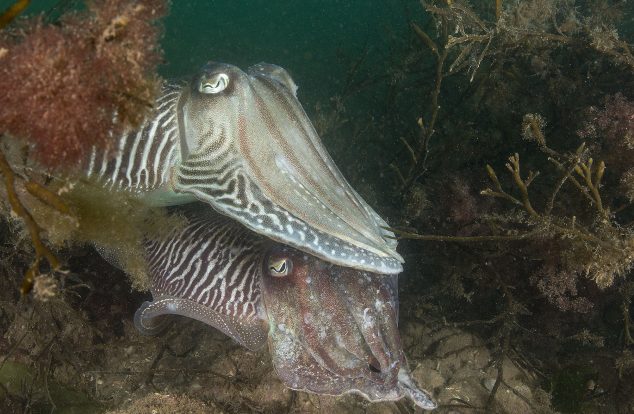
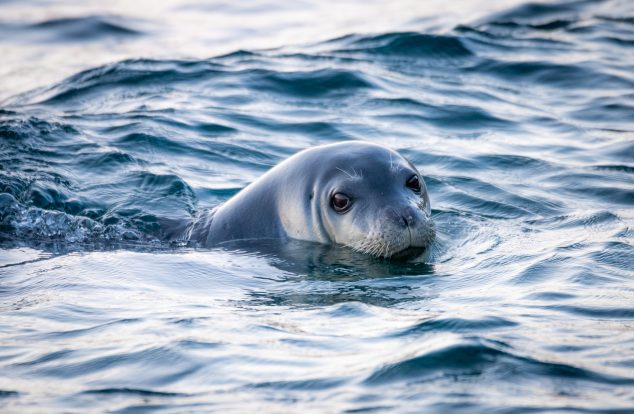
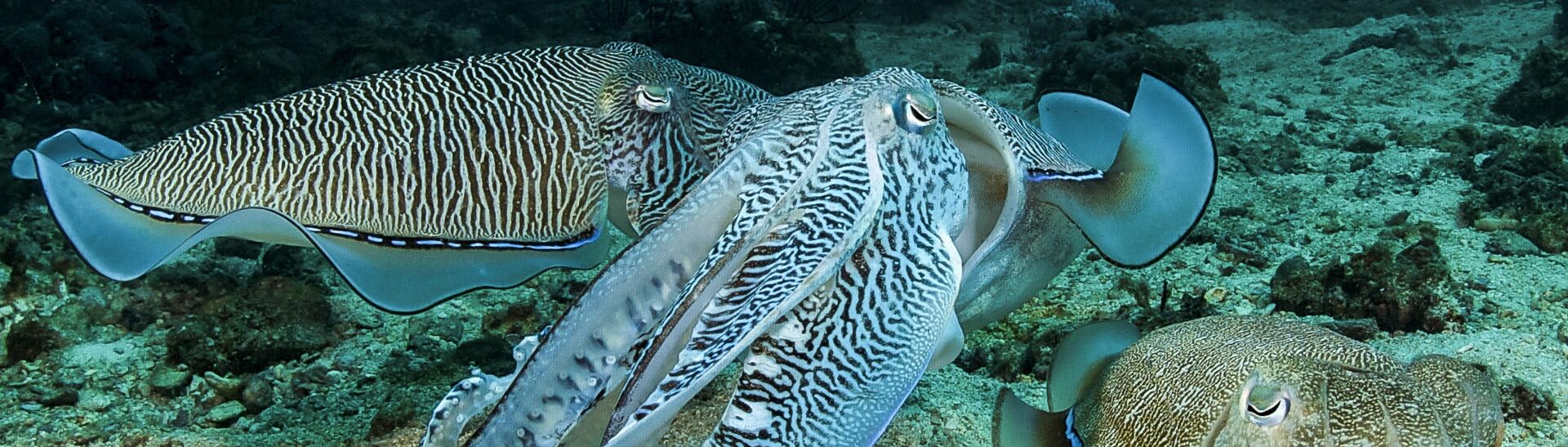
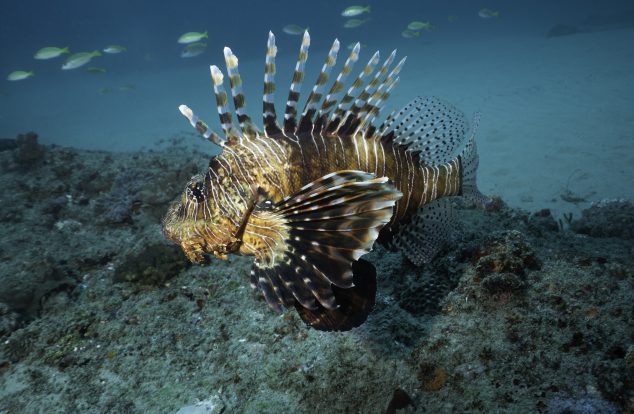
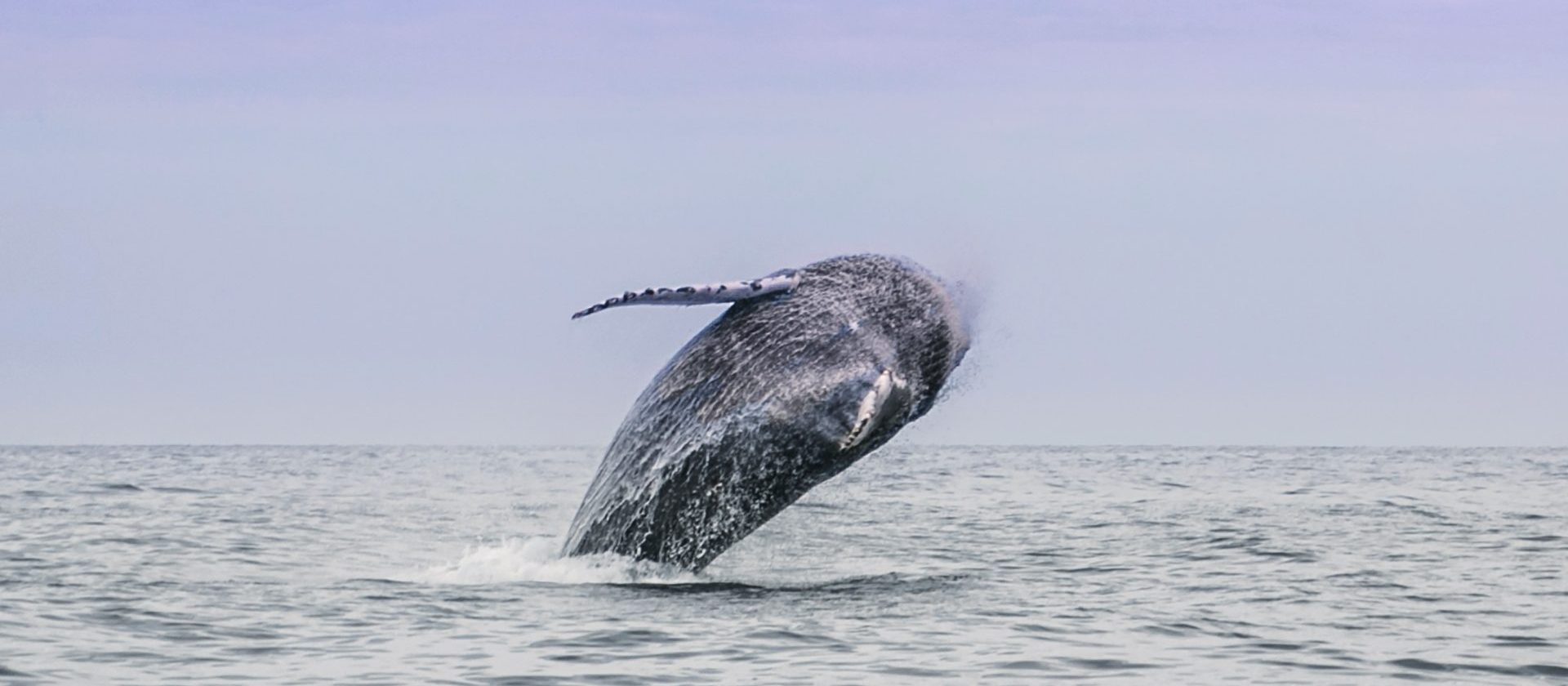
This week’s wildlife photos.
“Cop30 comes at a fraught moment for climate politics in Britain. The Tories’ promise to repeal the Climate Change Act was populist posturing, aimed at pandering to an anti-science, Trumpian right. Labour must not flinch. It has been reported that Sir Keir’s aides are advising against going to Belém, fearing backlash from Reform UK. Retreat would be cowardly and wrong. Sir Keir should instead reaffirm his commitment to national targets and the Cop process – confident that shifting to renewable energy is both right and popular.”
“Some days it can feel as if climate catastrophe is inevitable. But history is full of cases – such as the banning of whaling and CFCs – that show humanity can come together to avert disaster.”