Science
Scientists have captured, for the first time, footage of a deep-sea sleeper shark in the Southern Ocean, which is rarely observed in these waters.
New research suggests that Earth’s core could hold as much hydrogen as “dozens of oceans”, offering new insights into the planet’s formation and water sources.
Fisheries
A new study has found that when fishers release pollack back into the water at depths closer to where they were caught, their long-term survival increases by up to 25 per cent compared with releasing them at the surface.
The Department for Environment, Food and Rural Affairs has opened public consultations on the final four of its UK Fisheries Management Plans, covering the Celtic Sea and Western Channel demersal and pelagic fisheries, wrasses, and seabream.
Fish populations along Brazil’s Madeira River have plummeted by up to 90 per cent after the Santo Antônio dam altered the river’s flow, while in the Philippines, sharply declining fish catches are threatening both food security and the livelihoods of local fishers.
The Dominican Republic has dropped plans to regulate trade in endangered American eels, weakening efforts to protect the species.
UK Overseas Territories
Food chains on Caribbean coral reefs are now 60-70 per cent shorter than thousands of years ago, largely due to habitat loss and overfishing that have simplified the ecosystem and reduced biodiversity.
Marine Protection
China’s Yangtze River is showing ecological recovery following the fishing ban enacted in 2021, set to last a decade. Rising fish populations, greater species diversity and a rebound of endangered wildlife like the finless porpoise demonstrate how marine life can thrive when given the chance.
Concerns are mounting as lost and abandoned tuna fish aggregating devices from international fleets drift into the Galápagos Marine Reserve, polluting its waters and threatening endemic and endangered marine species.
In further troubling developments, President Donald Trump has reopened the Northeast Canyons and Seamounts Marine National Monument, along with other U.S. marine monuments in the Pacific, to commercial fishing, while Mexico is considering sharply shrinking protected areas for the critically endangered vaquita porpoise in the Gulf of California.
Conservation
For the first time, European eels have been sighted in Cyprus.
A camera attached to an Australian sea lion captured the first direct footage of a mother teaching her 11 month old pup how to forage at sea.
Asda, a UK supermarket, has pledged to end harmful shrimp farming practices, following the lead of other major UK retailers in strengthening animal welfare standards.
Rising ocean temperatures are impacting marine life worldwide. In Cabo Verde, loggerhead sea turtles are laying eggs earlier, while in the Northeast Atlantic, warming seas and intense fishing pressure are altering predator-prey relationships. Even a 1°C rise could threaten key marine sponges, while local pollution and overfishing are weakening safe havens that could otherwise help coral reefs withstand warming waters. Scientists warn that a likely El Niño in the Pacific could push global temperatures to record highs in 2027, intensifying these impacts.
Climate Crisis
Indigenous protests in Brazil successfully stopped the Tapajós River dredging project, protecting local ecosystems.
In Argentina and Chile, climate change has made extreme heat, drought, and “fire weather” far more likely, fuelling devastating wildfires. Indonesia’s plans to expand its steel industry are expected to drive a significant rise in greenhouse gas emissions, while Cambodia’s proposed Funan Techo Canal could threaten coastal habitats and the livelihoods of local fishing communities.
Exposure to nanoplastics has been shown to damage fish brains, making them more error-prone and less able to forage or evade predators.
Misc
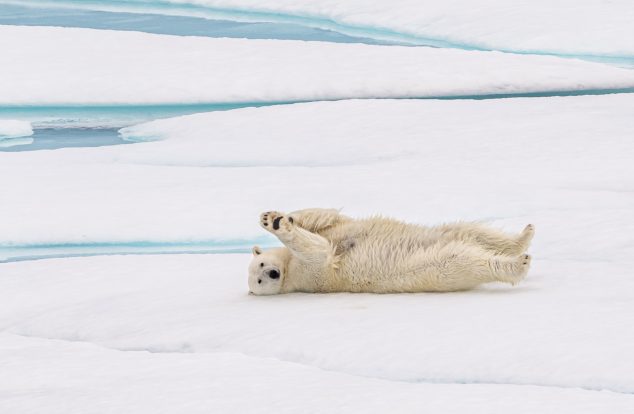
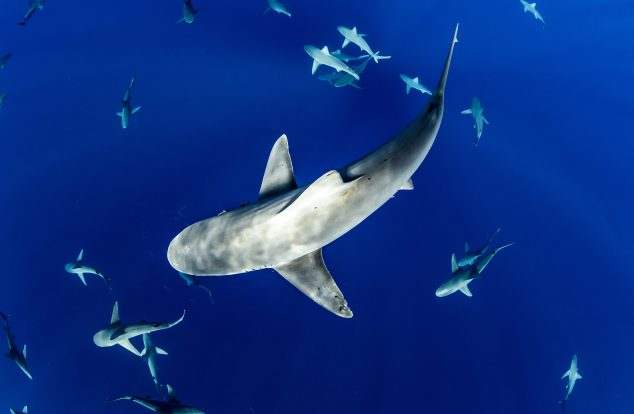
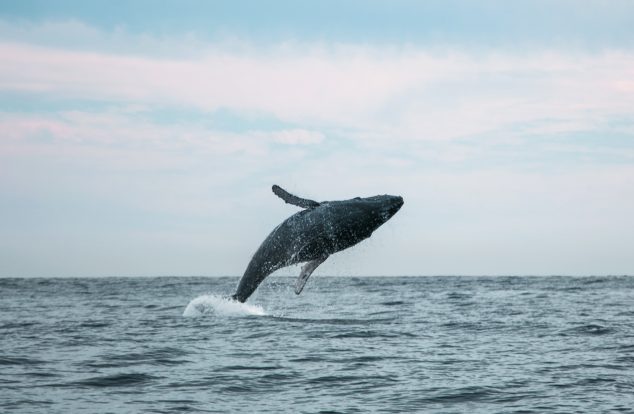
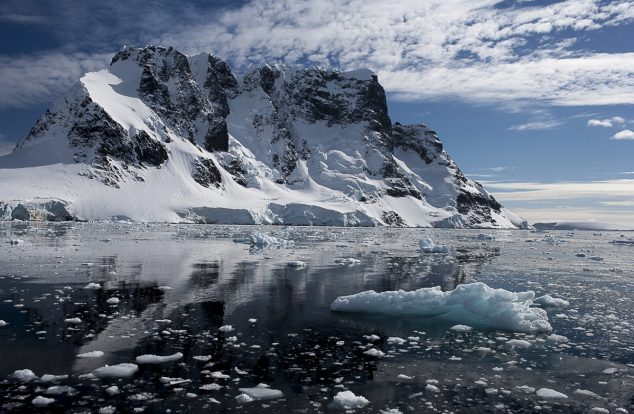
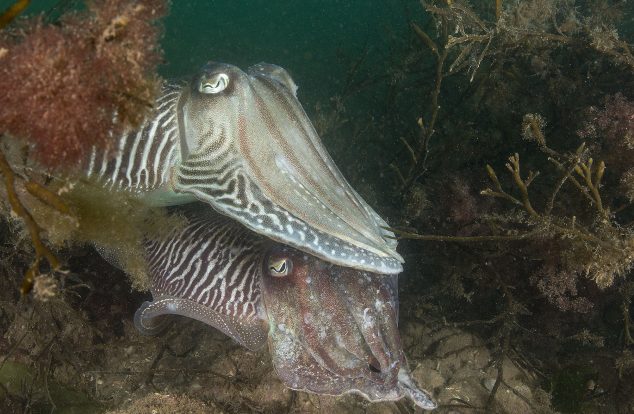
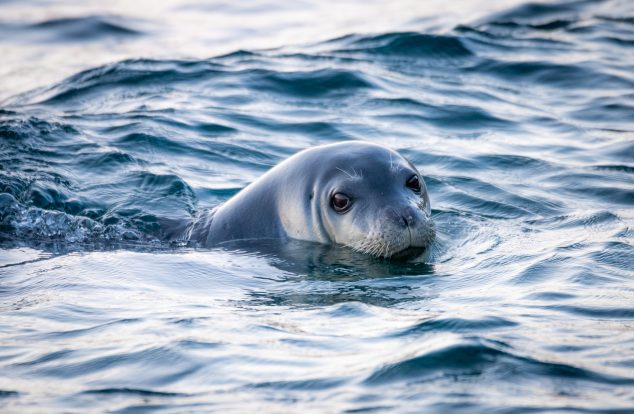
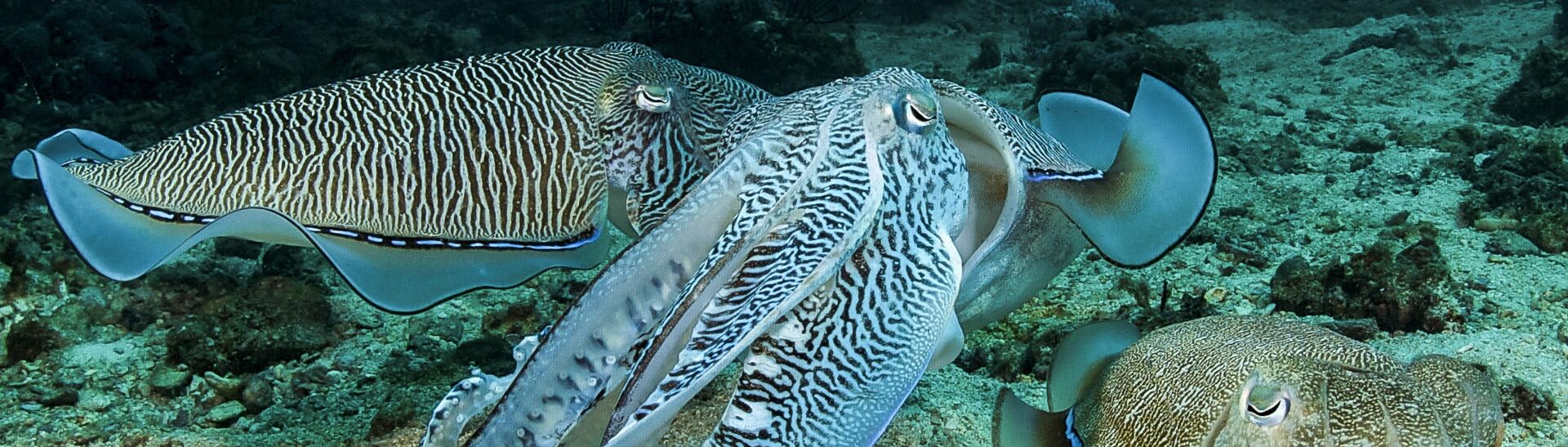
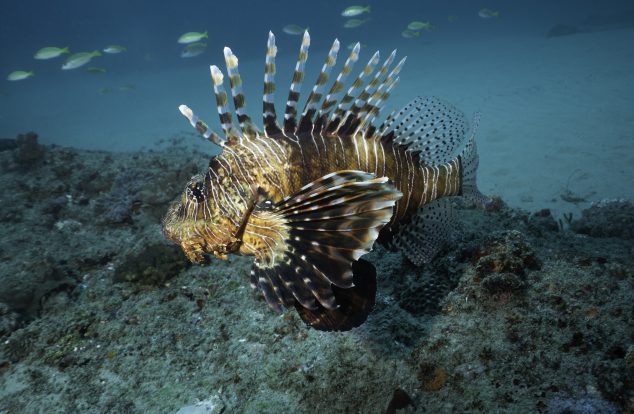
This week’s wildlife photos.
“Businesses must take responsibility for biodiversity loss – for their sake as much as ours. Despite the risks, there is little sign that humanity is responding with the urgency that the science demands. With a few notable exceptions, warnings about the consequences of nature loss for business have gone unheeded. Less than 1% of public companies mention biodiversity in their company impact reports.”
“For decades, the global fisheries conservation community has rightly focused on the health of fish stocks, the integrity of management systems, and the long-term sustainability of ocean resources. But there is a fundamental truth we can no longer afford to sidestep: fisheries management that fails to protect the people working at sea is neither credible nor sustainable.”