Fisheries
As more retailers have followed Waitrose in suspending sourcing of overfished Northeast Atlantic mackerel, talks between the Northeast Atlantic coastal states, held last week, once again failed to resolve the catch-sharing dispute for 2026. The European Commission expressed regret that discussions produced no further progress, despite several parties giving assurances they would approach negotiations with “constructive flexibility.”
Remote electronic monitoring (REM) is now required on pelagic vessels operating in Scottish waters, reinforcing efforts to monitor fishing activity, while new research is calling for mandatory cameras on large EU supertrawlers in the North‑East Atlantic to further improve transparency.
The 14th meeting of the South Pacific Regional Fisheries Management Organisation (SPRFMO), held in Panama City last week, introduced a cap on the number of vessels allowed to target jumbo flying squid but experts caution that “this is only the start of what’s needed to put in place science-based management.”
In Bangladesh, dwindling stocks of traditional seafood have prompted fishers to turn increasingly to rays and sharks, raising concerns about the sustainability of these vulnerable species.
A new investigation found that large floating fish factories off Guinea‑Bissau are taking huge amounts of small fish for fishmeal and fish oil, putting local ecosystems at risk.
UK Overseas Territories
Russia has pushed for Mauritius to gain sovereignty over the Chagos Islands.
Scientists have released images revealing previously unexplored deep‑water ecosystems around Caribbean islands, captured during research carried out under the UK government’s Blue Belt Programme.
Salahuddin Sumon, a travel creator who visited South Georgia, described the island as home to “endless penguin colonies and vast numbers of seals.”
Far from the myths of mysterious disappearances, the Bermuda Triangle teems with diverse marine life. “The unique ecosystem is so full of life that marine biologist Sylvia Earle once called it a ‘golden floating rainforest’. Many fish, birds, invertebrates and mammals can all be found in this thriving habitat”.
Marine Protection
Chile has created the third largest no-take zone in the world, designating nearly 1 million square kilometres of ocean as fully protected marine areas.
Jersey has approved one of the most ambitious marine protection plans in the British Isles, nearly quadrupling the area of its seas protected from damaging fishing practices.
Greenpeace has launched an expedition aboard the Arctic Sunrise to investigate the effects of industrial overfishing in the West African high seas and to advocate for the establishment of a fully protected marine area under the new High Seas Treaty.
Environmental groups have taken the Dutch government to court over its continued authorisation of destructive bottom trawling in the protected Dogger Bank area of the North Sea, with Dr Tom Appleby saying, “The Dogger Bank is the heart of the North Sea and is meant to have the same levels of protection in the UK, Germany and the Netherlands.”
Conservation
Almost half of the migratory species protected under the Convention on Migratory Species are experiencing population declines.
A study warns that losing Florida’s coral reefs will make coastal flooding worse and increase storm-related costs.
The European Parliament has urged stronger coordinated action to tackle the spread and impacts of invasive marine species.
Campaigners are urging stronger legal protections for England’s chalk streams, rare freshwater ecosystems.
New research suggests that bottom trawling for scampi and similar crustaceans in the North Sea may be releasing ancient carbon stored in seabed mud, creating a “hidden” climate cost.
Climate Crisis
A study shows that global temperatures have been rising faster since 2015 than at any time in recorded history.
Experts warn that Namibia’s plans for a large hydrogen production facility could “have quite severe ramifications on the marine ecosystem that the penguins and other coastal birds rely on.”
Recent oil price shocks have highlighted the value of renewable energy for the UK’s energy security and cost stability.
“Piecing together the war’s environmental footprint and its potential impacts on people and ecosystems will be a huge task, and one that grows more complex with every day that the war continues.”
Misc
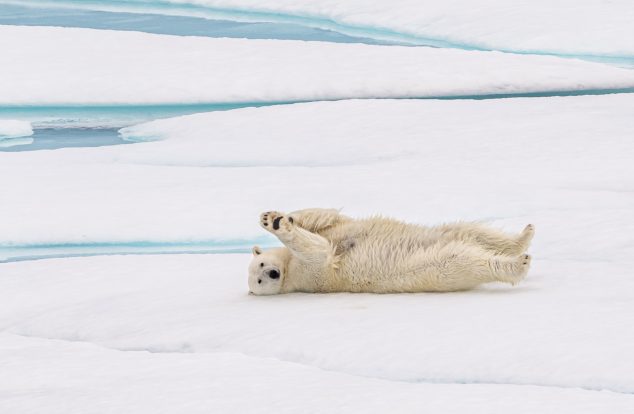
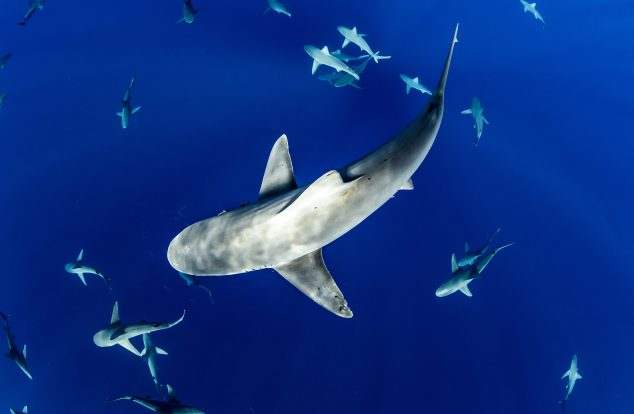
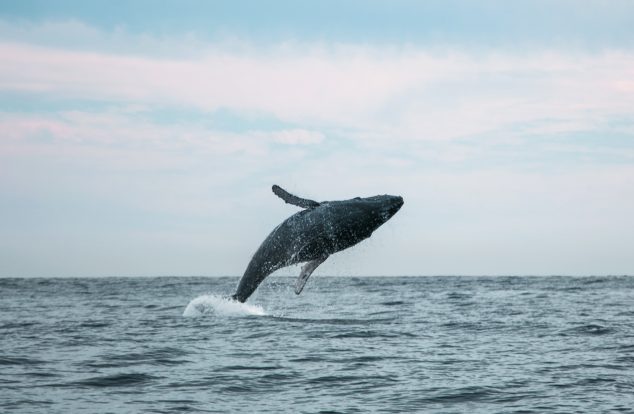
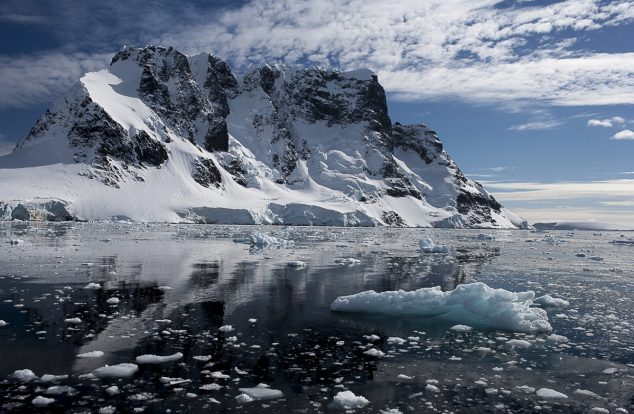
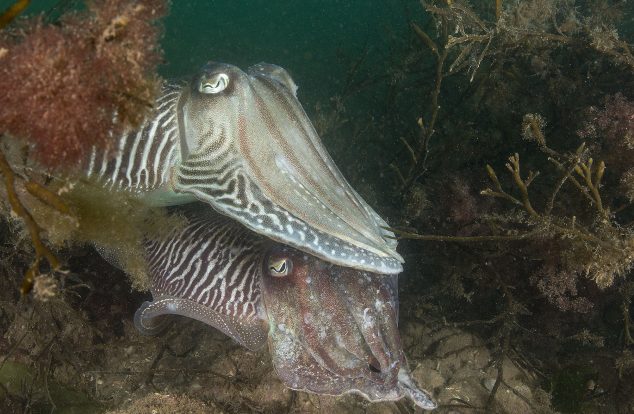
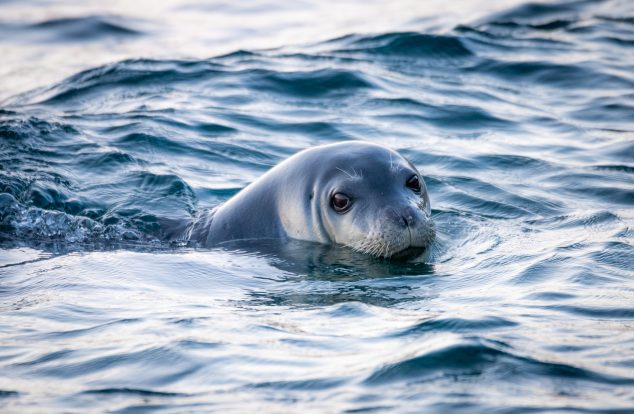
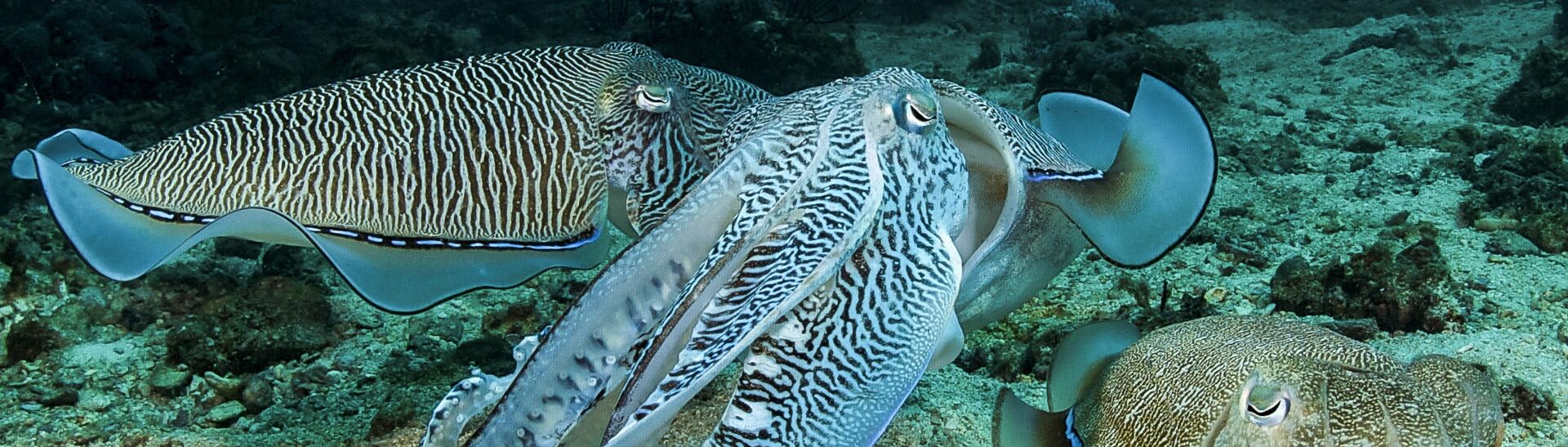
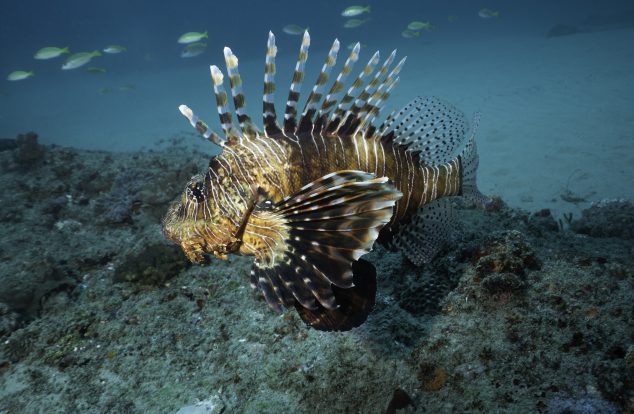
This week’s wildlife photos.
A recent Scottish Government report concluded that no new regulations are needed to curb salmon farm mortalities, even as protestors outside the Scottish Parliament urged MSPs to act against what they describe as “reckless” salmon farms.
The documentary, A Life Illuminated, premiering on 19 March, follows marine biologist Edie Widder’s lifelong quest to study bioluminescence and deep‑sea life.
“Seagrass meadows might not catch the eye like coral reefs, but they play an important and often unsung role in coastal protection, particularly as climate change increasingly eats away at shorelines.