Science
Scientists have discovered 14 new deep-sea species, while Sri Lanka recorded its first confirmed oarfish sighting, expanding the known range of this rare species into the Indian Ocean.
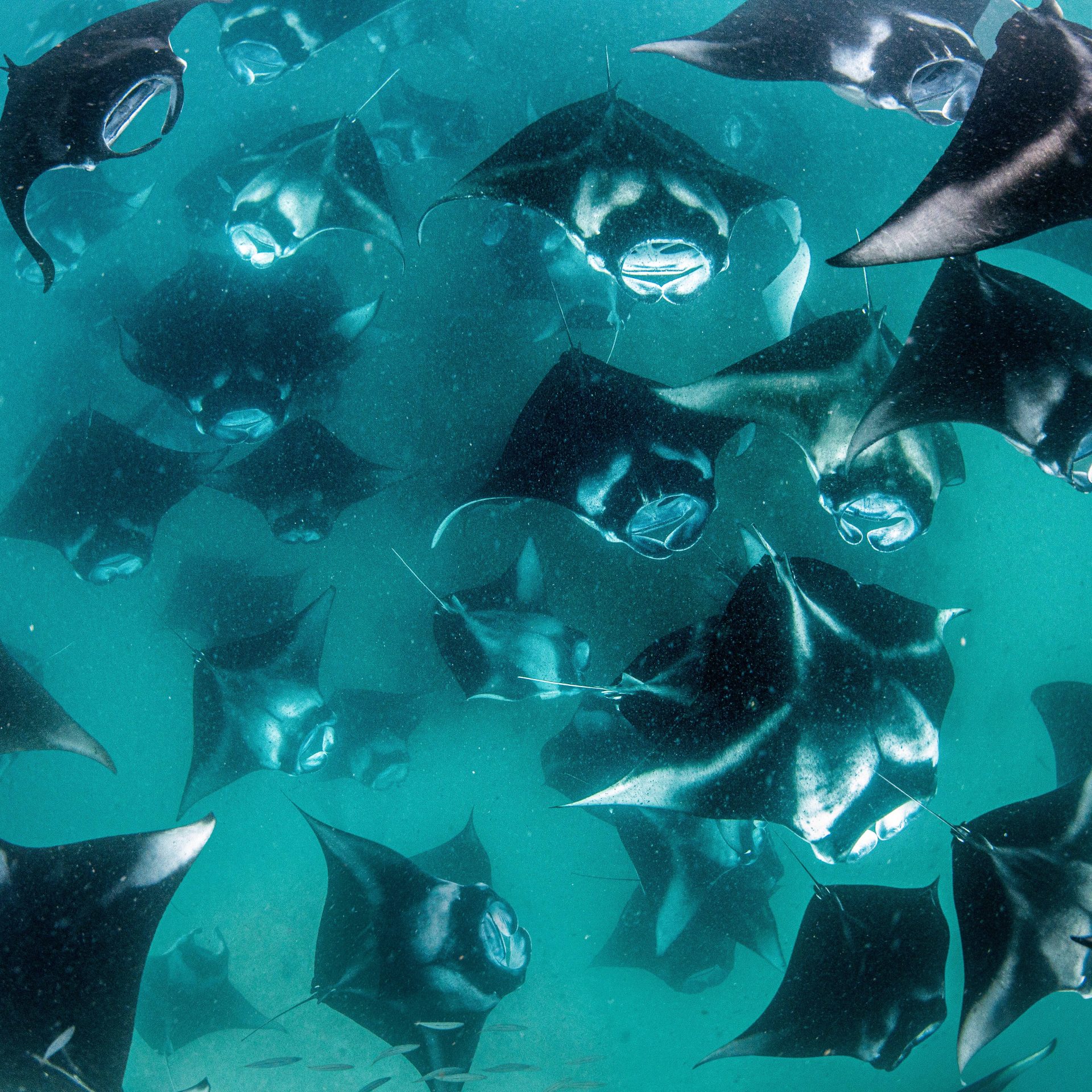
Oceanic manta rays have been observed diving to depths of over 1,200 metres, far deeper than previously expected!
New technologies are being utilised to protect marine life, with drones monitoring whale health, stress, and pregnancies, and underwater fibre-optic cables tracking the movements and behaviour of endangered orcas. Meanwhile, concerning new research reveals that female North Atlantic dolphins are dying younger, with lifespans declining from 24 to 17 years.
Fisheries
Northeast Atlantic mackerel prices are projected to rise through 2026 after over 1 million tonnes were caught above scientifically advised limits in the past five years, pushing the stock toward collapse. The EU fishing industry is urging coastal states to agree on a fair sharing arrangement this year, to ensure catches remain within sustainable limits.
Indonesia’s attempt to increase its share of the global southern bluefin tuna catch was rejected, with the managing commission maintaining the previous quotas of other countries.
Solar-powered LED lights integrated into fishing nets have been shown to reduce sea turtle entanglement by 63 per cent without affecting fish catch rates.
In Cornwall, discarded fishing nets are being recycled into products like 3D printing material, sunglasses, and car parts, transforming marine waste into valuable goods.
UK Overseas Territories
The UK government is facing pressure to support a growing number of Chagossians arriving in the country to claim their right to British citizenship, with local councils struggling to provide temporary housing.
A conservationist in the Cayman Islands is urging locals and visitors to stop eating reef fish, especially parrotfish, saying, “If you can afford to eat anything else, then please choose to eat anything else,” to protect coral reefs threatened by overfishing and environmental stress.
Whale populations around South Georgia are recovering, with over 30,000 humpback, Antarctic blue, and southern right whales now returning each summer to feed, showing how marine life can bounce back after decades of whaling.
Marine Protection
A coalition of U.S. seafood groups has filed a lawsuit against NOAA, challenging the Marine Mammal Protection Act rule that bans seafood imports from countries lacking equivalent marine mammal protections.
The mass die-off of coral reefs from heatwaves and acidification has pushed Earth past its first major climate tipping point. A 2023 marine heatwave in the central Red Sea caused all monitored sea anemones to bleach, leading to the disappearance of 94-100 per cent of clownfish and the death of 66-94 per cent of the anemones. Nickel mining in Raja Ampat is also putting coral reefs, forests, and Indigenous livelihoods at risk, sparking calls for a permanent ban and sustainable alternatives.
Conservation
The IUCN World Conservation Congress concluded this week in Abu Dhabi, passing motions calling for a global pause on deep-sea “twilight zone” fishing and an end to destructive fishing on seamounts. While 20 animal species have improved thanks to targeted conservation efforts, the overall picture painted by the IUCN is increasingly worrying, with birds and Arctic seals showing particularly severe declines since the last assessment.
New research has revealed that most conservation funding goes to mammals and birds, leaving plants, insects, and other species largely unprotected despite their risk of extinction.
Local communities are joining efforts with the Manta Caribbean Project to protect and study manta and devil rays in the Mexican Caribbean, promoting conservation and sustainable practices.
A huge artificial reef with 75,000 cubes was added to the Rampion Wind Farm off Sussex to protect the turbine and support marine life.
Climate Crisis
The UK government has been advised to prepare for 2C of warming by 2050, while Greenland is shrinking and drifting northwest as its ice melts at an accelerating pace due to climate change. A new tool, the Thermal Trace app, allows users to explore global heat and cold stress data from 1940 to the present.
Some species have been found to thrive with rising temperatures. A Mediterranean stony coral, Oculina patagonica, has adapted to rising sea temperatures by employing a “dual feeding” strategy.
Ed Miliband has approved the UK’s largest solar farm in Lincolnshire, which will generate enough electricity to power 300,000 homes, as part of the government’s strategy to combat climate change.
Equinor, Norway’s state oil firm, has resubmitted its proposal to develop the disputed Rosebank oil field off the Scottish coast.
Misc
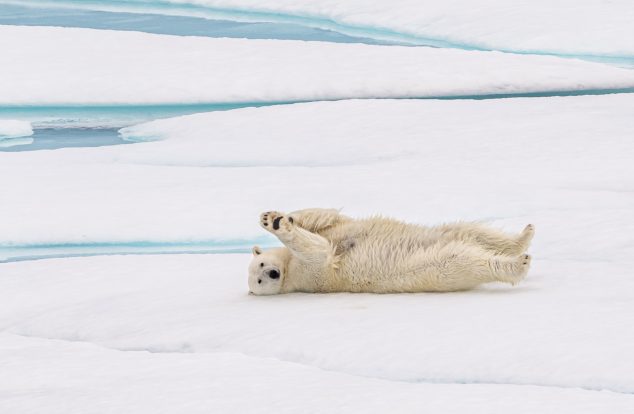
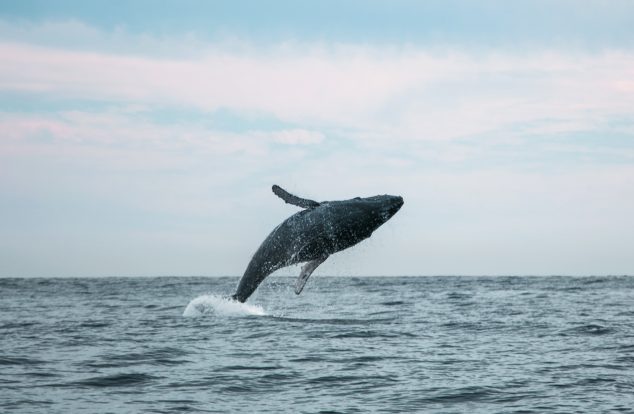
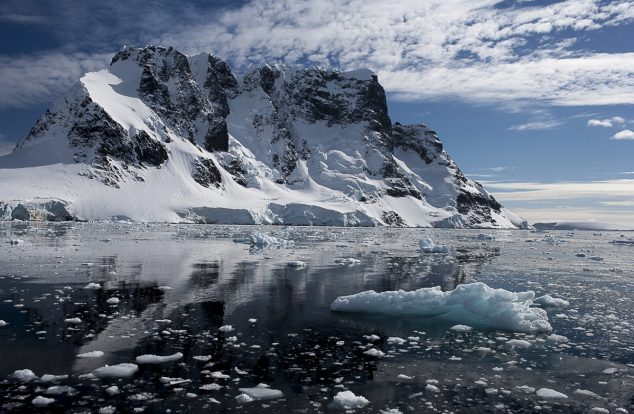
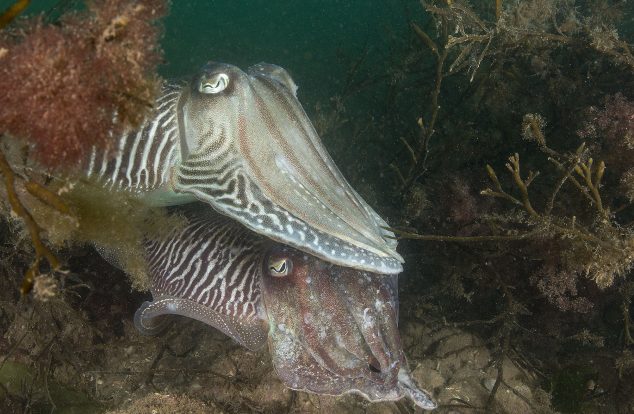
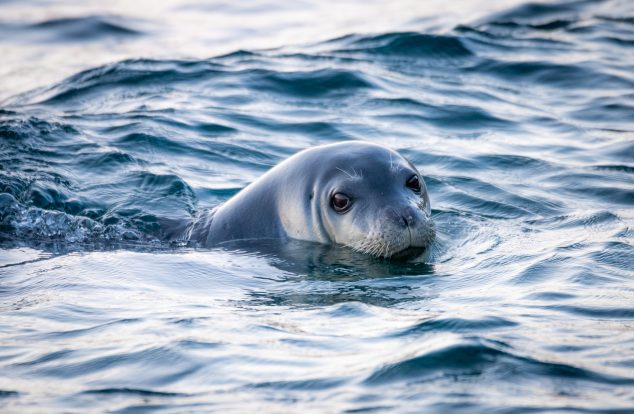
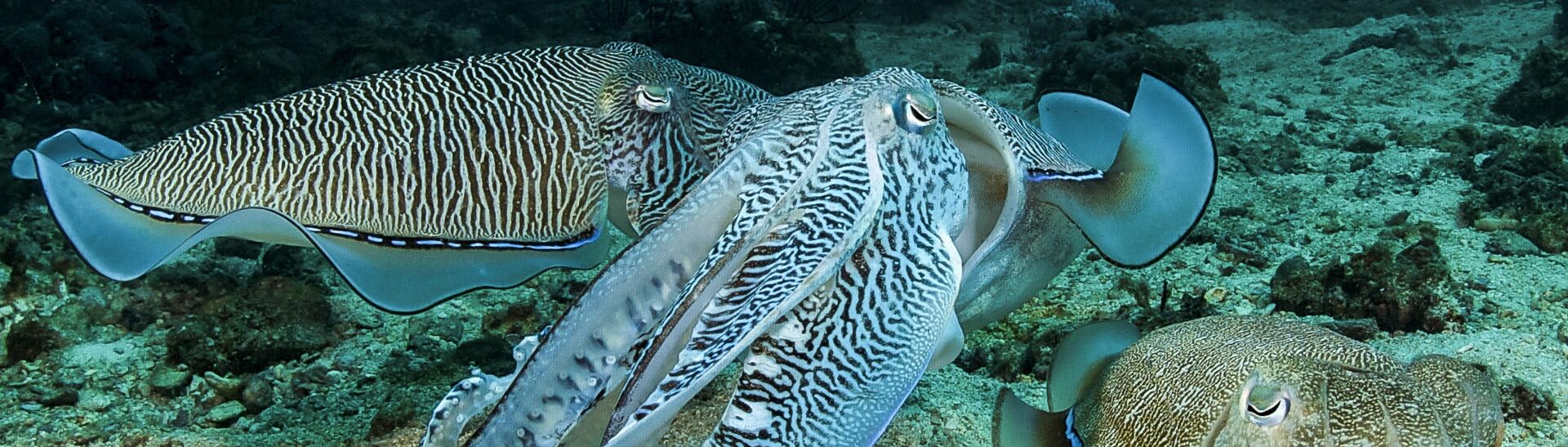
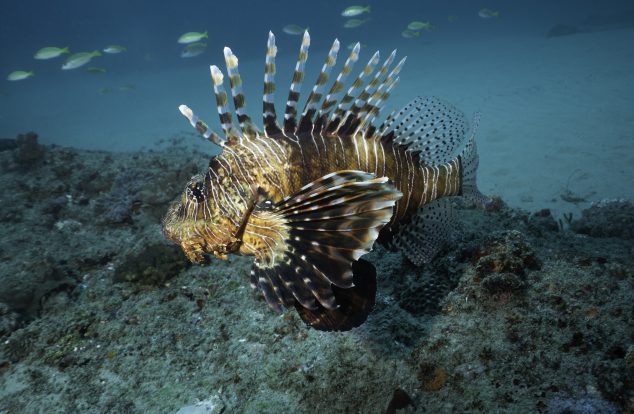
This week’s wildlife photos.
“We can have abundant rivers and wildlife.”
“Overfishing is not an unavoidable tragedy; it is a political choice, and currently, there is no legal accountability for failure.”