Science
A Bolivian killifish, long thought to have been extinct, has been rediscovered, providing a vital opportunity to protect both the species and its vulnerable wetland ecosystem.
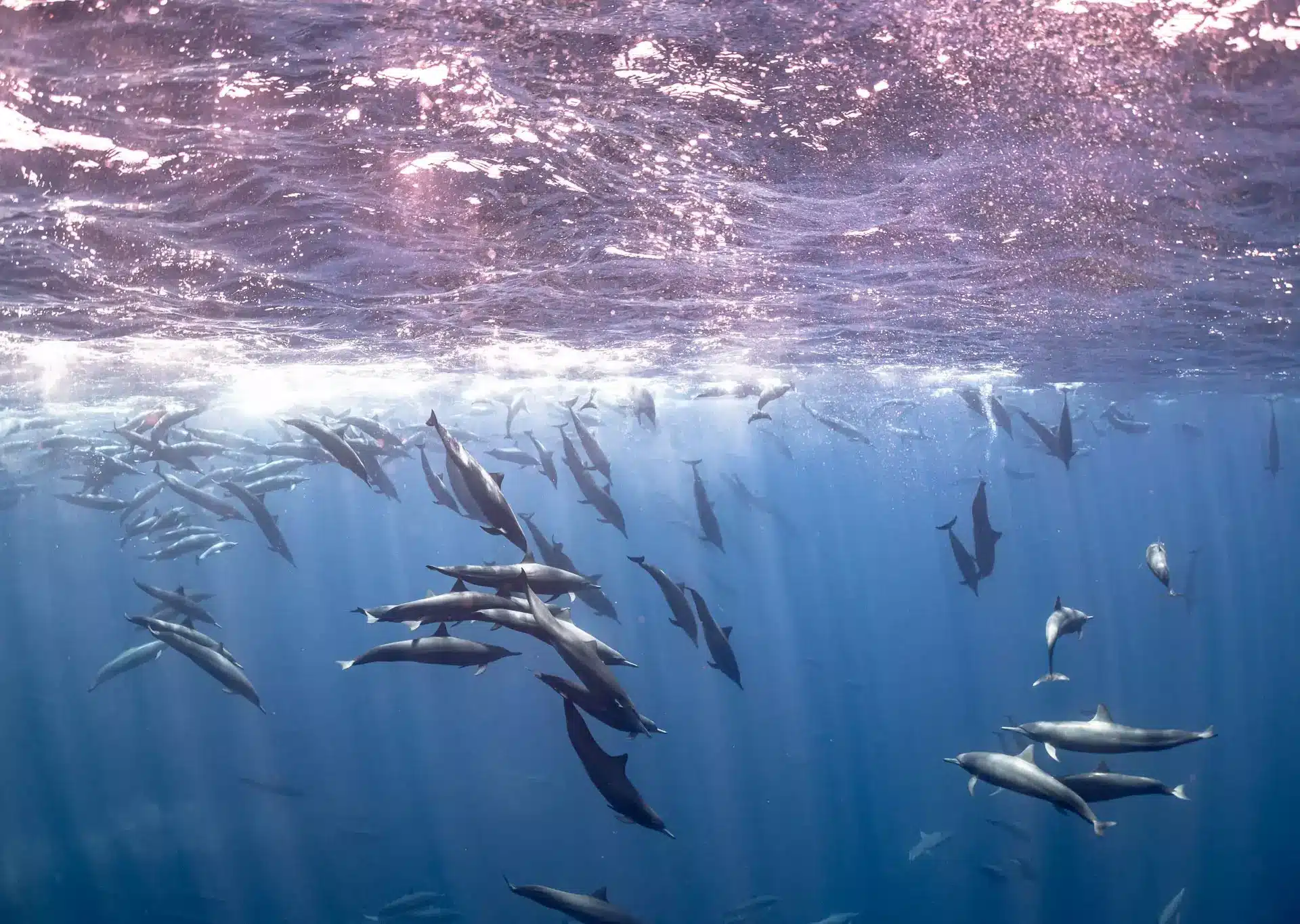
Common dolphins in the Bay of Biscay are dying much younger, with the average female lifespan dropping from about 24 to 17 years between 1997 and 2019.
Scientists studied the genetics of maerl algae in south-west Britain and found different groups, including a unique type near St Mawes, showing which areas might be more at risk from environmental changes.
Fisheries
The UK has been condemned as “pitiful” for failing to support sustainable mackerel fishing, as NEAFC talks reached a deadlock for 2025. Meanwhile, the EU is pushing for greater transparency and sustainability in fisheries quota allocation and ICES warns that bycatch in mixed fisheries could cause rapid stock declines.
The Scottish Government is taking steps to address the decline in its fishing workforce and fleet. It has also opened a public consultation on 11 proposed Fisheries Management Plans, including key species like cod, haddock, whiting and hake.
UK Overseas Territories
Researchers have helped design a plan for a new marine protected area around the Chagos Archipelago that integrates scientific, cultural, and community input, paving the way for more inclusive ocean governance.
A team of marine scientists will sail aboard the RRS James Cook in January 2026 to explore vast, previously uncharted offshore waters around Anguilla, Turks & Caicos, and the Cayman Islands in hopes of discovering new species and mapping the deep seafloor.
The High Seas Treaty Bill passed all stages in the House of Commons on Monday and will now move to the House of Lords, bringing the UK a major step closer to ratifying this historic agreement.
Marine Protection
The U.S. will ban imports of Irish farmed salmon and spiny lobster from January 2026 as Ireland’s Wildlife Act is not considered equivalent to U.S. laws protecting marine mammals.
Critically endangered African penguins are increasingly foraging in the same areas as commercial fishing boats, especially when fish stocks are low, raising severe competition for food.
A new study finds that nearly 90 per cent of marine fish sold online for aquariums in the U.S. are wild-caught, including many threatened species.
A court has blocked Brighton Marina from dumping large amounts of dredged sediment in a protected marine zone after a challenge by Sussex Wildlife Trust.
Conservation
A study mapping whale shark stranding hotspots across Indonesia found that most strandings involve juvenile sharks during specific seasons. Meanwhile, salmon have returned to a river near Glasgow for the first time in 170 years following a major restoration project.
In a rare example of postmortem maternal care, leopard-seal mothers have been observed carrying and tending to their dead pups for over 20 days, one even repeating this behaviour in multiple years.
Researchers are urging fishermen across the UK, Ireland, Scotland, and the Faroes to report sightings of long, string-like “string jellyfish” due to them posting a threat to salmon farms.
Climate Crisis
Marine ecosystems are increasingly vulnerable to climate stressors, as seen with nearly two-thirds of the corals at Western Australia’s Ningaloo Reef wiped out by a heatwave. Even moderate marine heatwaves along the Pacific Coast can suppress sea urchin reproduction, while heavy hurricane rainfall reduces coastal salinity, severely stressing sea anemones beyond their coping capacity. However, equatorial coral reefs may act as refugia, experiencing milder heatwaves and less bleaching than reefs at higher latitudes.
At COP30, over 80 countries united to demand a clear roadmap for phasing out fossil fuels, while Turkey was confirmed as the host for COP31 following a compromise deal in which Australia stepped aside. Meanwhile, Denmark has pledged to cut its greenhouse gas emissions by at least 82 per cent by 2035 and Colombia has stopped all new oil and mining projects in its Amazon to protect the environment.
Concerns are growing in Norway over plans to dump millions of tonnes of mining waste into a protected Arctic fjord, with fears it could devastate fragile ecosystems and jeopardise traditional livelihoods.
Researchers have shown that undersea fibre‑optic cables can be repurposed as a global network of seismic and environmental sensors.
Plastics
Millions of plastic “bio-beads” are spreading along the Sussex coast, from Hastings to Dungeness, after spilling from a Southern Water treatment plant, causing serious environmental damage and prompting a large-scale cleanup effort. A recent study found that even tiny amounts of plastic can kill seabirds, turtles, and other marine animals.
Misc
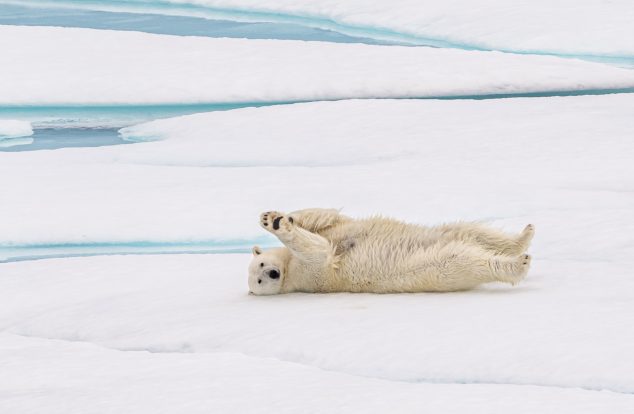
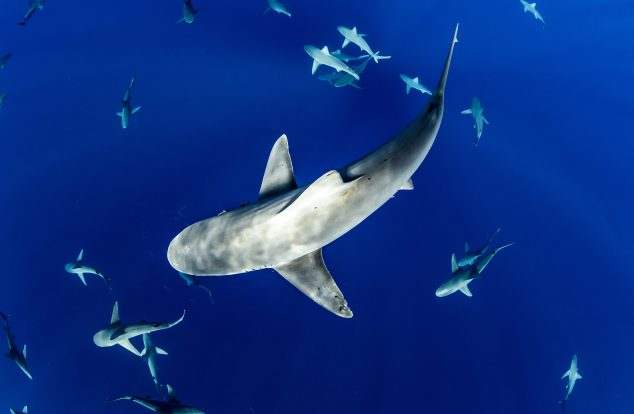
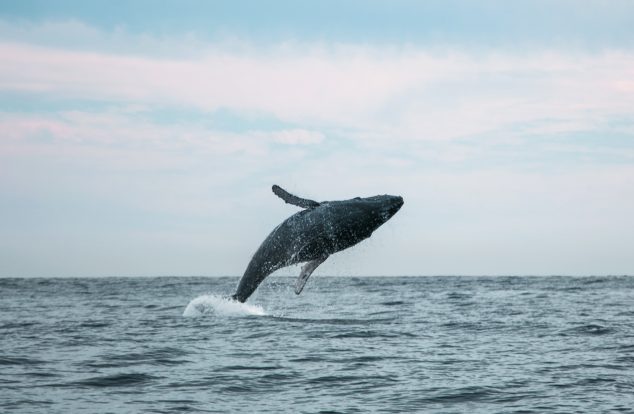
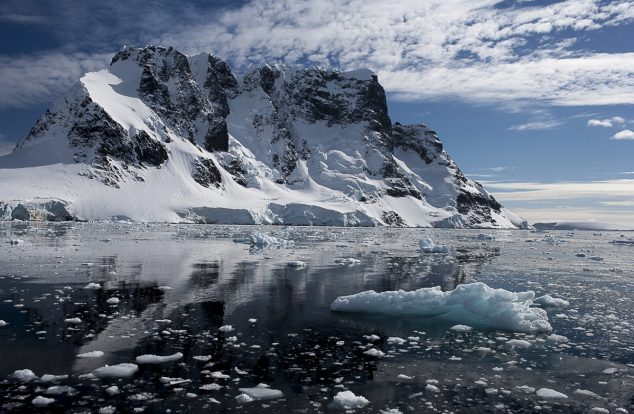
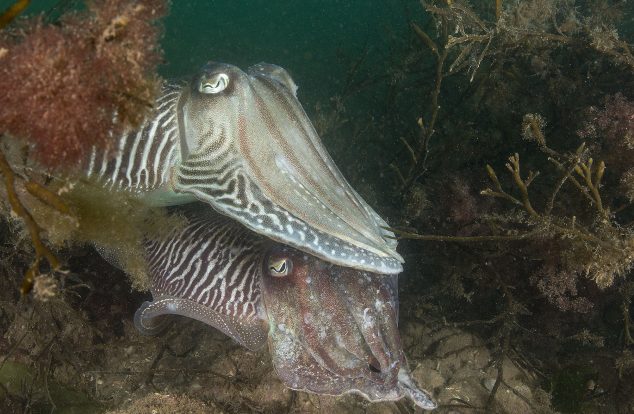
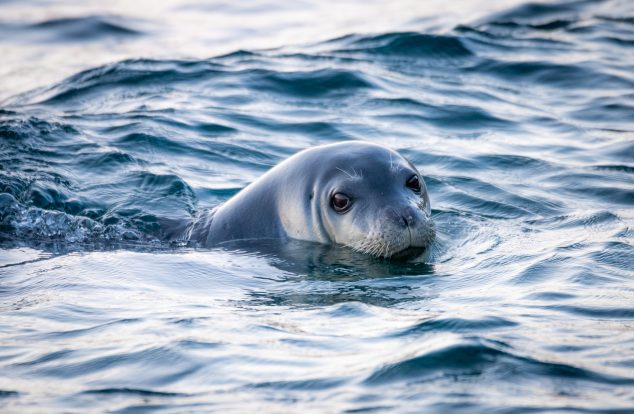
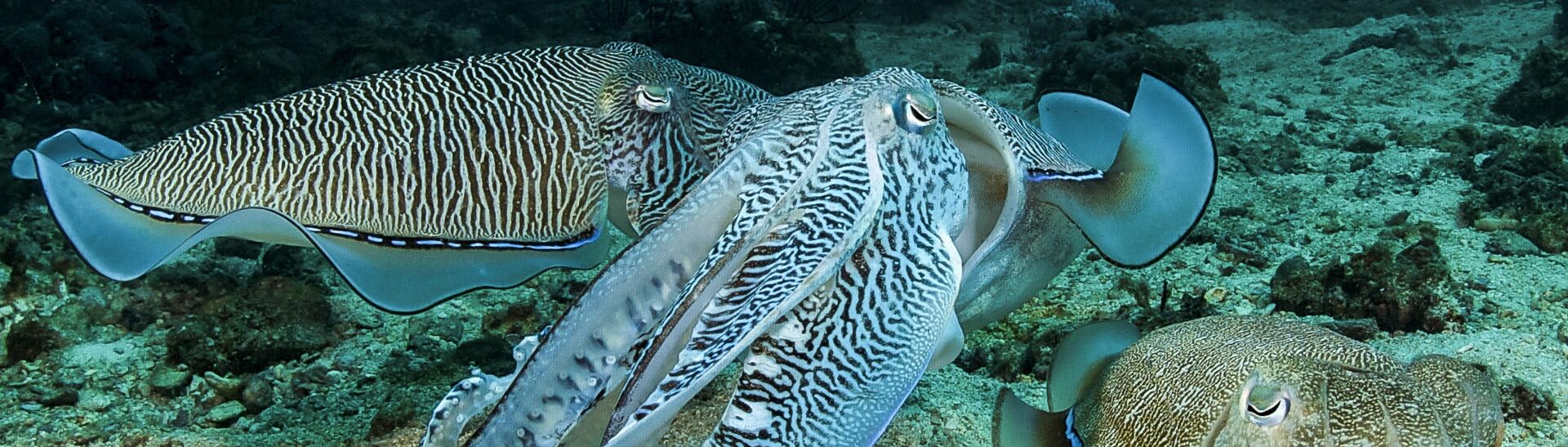
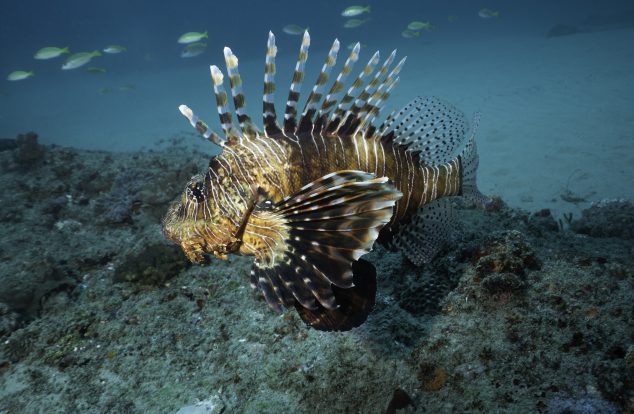
This week’s wildlife photos.
“Earth can no longer sustain the development model based on the intensive use of fossil fuels that has prevailed over the past 200 years.”