Science
A new species of jellyfish has been discovered in Japanese waters.
Volunteers helping with reef surveys have discovered a massive coral formation on the Great Barrier Reef, spanning almost 4,000 square metres.
Researchers say that declining Antarctic sea ice is threatening Emperor penguins during their yearly moult.
Scientists have found that different giant clam species use varied feeding strategies. Those that rely more on symbiotic algae and grow larger may be more vulnerable to threats like climate change.
Fisheries
Conservationists have applauded Waitrose for halting the sale of North East Atlantic mackerel, whose population has dropped by 75 per cent over the past decade.
A survey around the Shetland Islands revealed major changes in local sandeel populations, raising concerns for seabirds and the wider ecosystem, while scientists warn that sandeel stocks off Norway have fallen to critically low levels.
Research shows that climate change is driving Arctic cod to shift rapidly northwards around Greenland while overall numbers fall.
Local river communities in Brazil’s Amazon warn that plans to create a shipping route will destroy vital fishing grounds.
UK Overseas Territories
The UK government has confirmed that the Chagos Islands agreement will continue.
Scientists exploring deep beneath the turquoise waters of the Turks and Caicos Islands as part of the UK’s Blue Belt Programme have mapped vast areas of the seabed. One researcher said, “While this is a huge achievement in such a short amount of time, there is still much of TCI’s seas that remain unexplored. However, the information collected on this expedition opens many doors to helping TCI know its seas better to conserve and manage accordingly.”
Marine Protection
An outbreak of bird flu has hit northern elephant seals at Año Nuevo State Park in California, killing about 30 young seals and prompting the closure of public seal watching tours.
In Peru, crafting cockfighting spurs from rostral sawfish teeth is driving one of the world’s rarest fish toward extinction.
The Azores has blocked an attempt to remove no‑fishing zones from its extensive new Marine Protected Area network, maintaining safeguards for the region’s marine life.
Conservation
A recent study has found that ongoing ocean warming is causing fish populations in parts of the northern hemisphere to shrink steadily each year, with total biomass dropping by up to nearly 20 per cent.
Penguins in Antarctica are beginning their breeding season significantly earlier than a decade ago, a shift linked to warming temperatures that could disrupt food timing and affect their survival.
Thailand’s researchers are preserving coral larvae along with their symbiotic algae to safeguard reef species as nearby coral habitats decline.
Research on southern Alaska’s killer whales reveals they switch their diet seasonally and regionally, feeding on a broad range of prey from various salmon species to groundfish.
Climate Crisis
A recent study reveals that Australia’s federal government annually directs around US $18 billion more towards activities that harm nature than toward efforts to conserve and protect biodiversity.
The New Zealand government has proposed dissolving its separate environment ministry, merging its responsibilities into a larger super-ministry covering housing, transport and local government, raising concerns that environmental oversight and protections could be weakened.
Chemicals leaching from debris are disrupting octopus hunting and prey behaviour, while “plastic rocks” building up in green turtle nesting sites on Brazil’s Trindade Island are putting the species in danger.
Misc
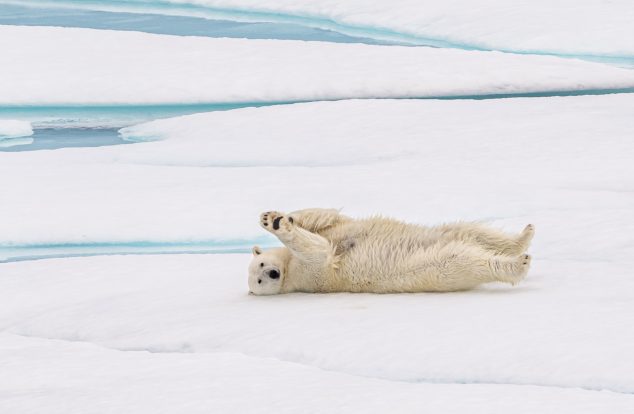
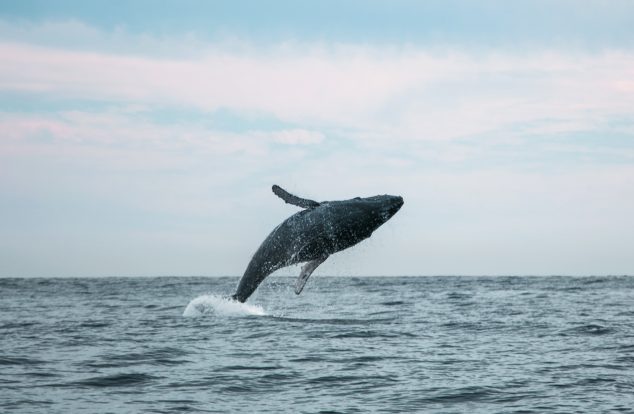
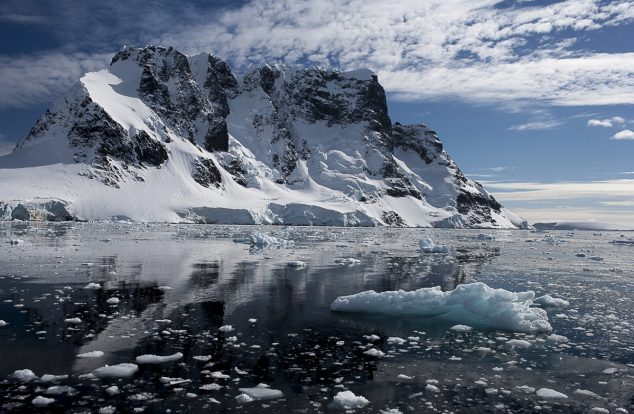
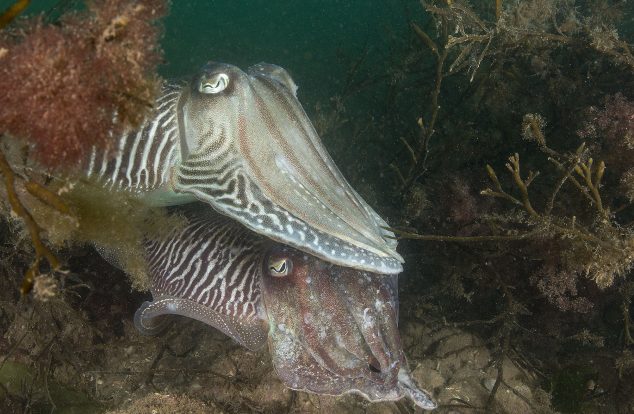
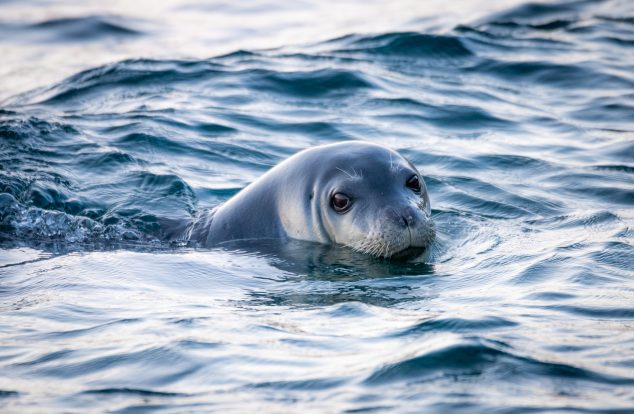
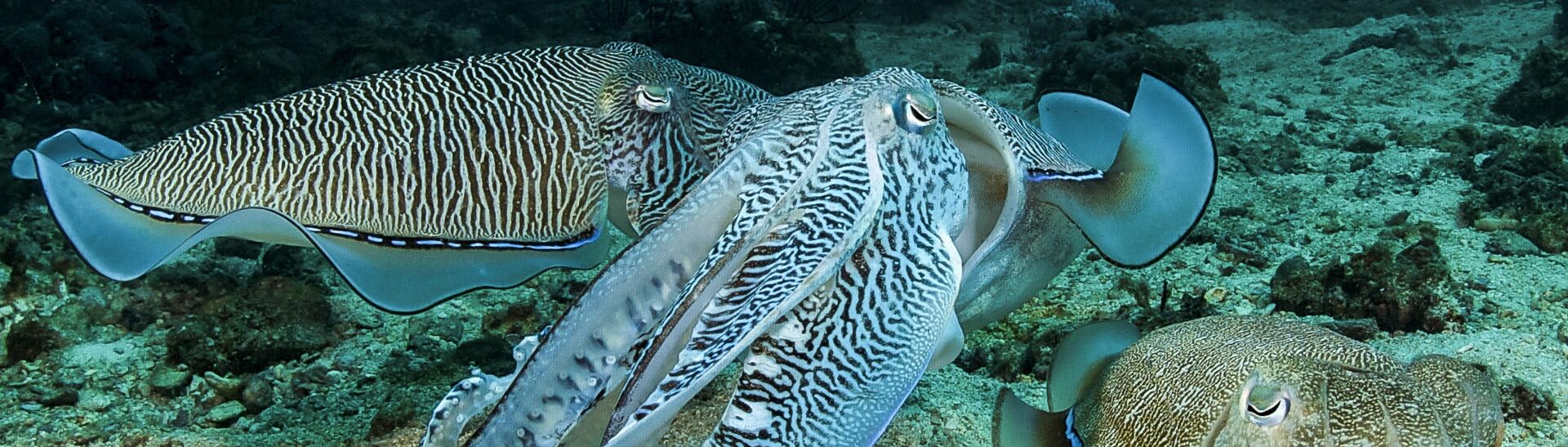
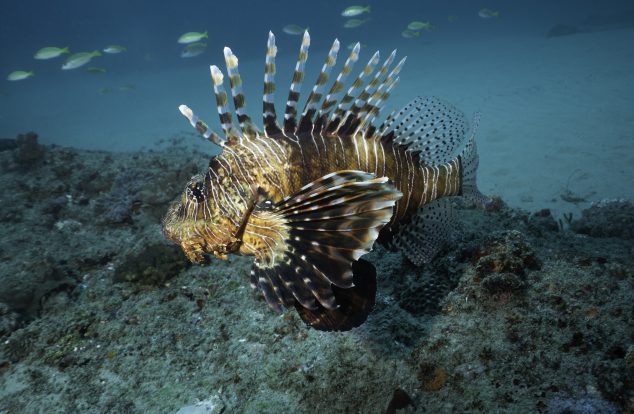
This week’s wildlife photos.
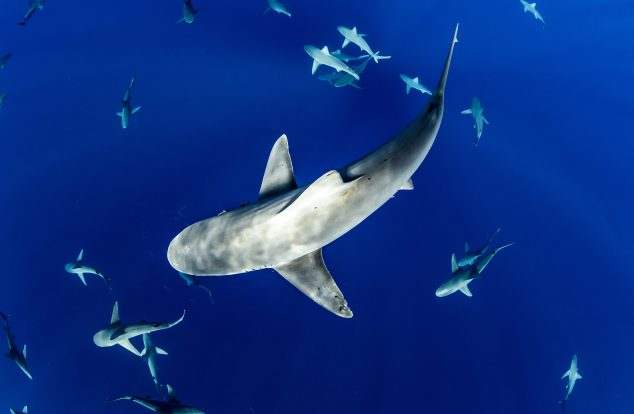
Underwater Photographer of the Year 2026 photos.
“After half a century of steep declines, North America’s birds are disappearing faster than ever.”