Fisheries
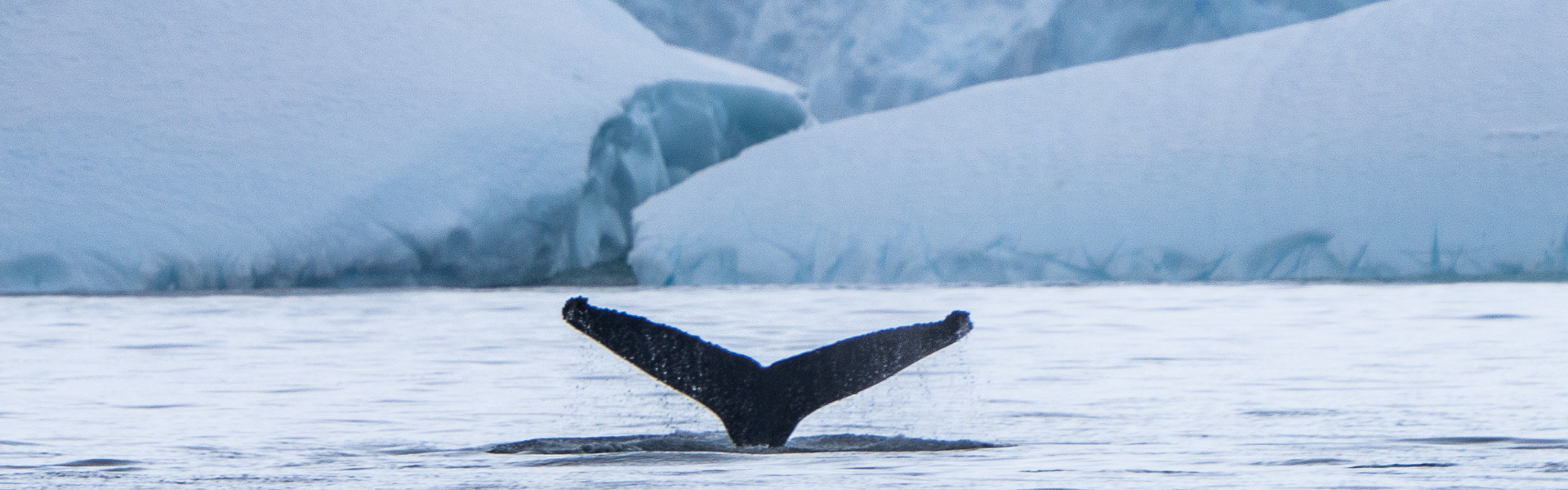
The recovery of Antarctic whale populations is facing increasing risks from industrial krill harvesting which threatens their main food source and destabilises the Southern Ocean ecosystem, with experts warning that the krill fishery “is wrecking the food chain.”
U.S. tuna importers have been hit with fines exceeding $220,000 by NOAA Fisheries after their shipments were found falsely labelled as “dolphin safe”.
Chile’s seafood export value grew in February, fuelled by strong demand for jack mackerel, likely driven by retailers like Waitrose and Prince’s moving away from selling Atlantic mackerel after decades of overfishing caused the stock to sharply decline.
A wild eel fisherman has brought a legal challenge against Northern Ireland’s environmental authorities, claiming their inaction on pollution in Lough Neagh, from farming runoff and poor wastewater management, has severely damaged the lake’s ecosystem and destroyed the local eel fishery.
UK Overseas Territories
Iran fired two missiles at the U.S. and UK military base on Diego Garcia in the Indian Ocean, but neither reached their target.
Marine Protection
A recent global study highlights that 325 migratory freshwater fish species are in urgent need of protection due to declining populations and insufficient conservation measures. Since 1970, populations of freshwater fish around the world have declined by approximately 81 per cent. “It’s very hard to imagine what’s going on beneath the water when you look at a river – but you have billions of fish making these epic migrations, some of the largest animal migrations on Earth.”
Researchers report that humpback, minke, and fin whales in the Irish sea are at growing risk of getting caught in stationary fishing gear, particularly in areas where their feeding grounds coincide with fishing activities.
The waters around Tenerife, with their deep valleys and calm Atlantic conditions, provide an ideal environment for short‑finned pilot whales, sustaining a year‑round population.
Conservation
A three-limbed Kemp’s ridley sea turtle has been released following rehabilitation and is now being monitored via satellite to observe how turtles with amputations survive and travel in the wild.
Kenya has introduced a new strategy to halt the decline of shark populations, uniting scientists, government agencies and local fishing communities.
Researchers have captured a rare video showing a sperm whale mother aided by other whales, including her calf’s relatives, during the birth of her newborn, revealing the species’ social support behaviours.
A long-term study of wild bottlenose dolphins near Sarasota, Florida, shows that dolphins use unique, consistent whistles to communicate and share certain calls, indicating a more sophisticated vocal system than previously recognised.
Climate Crisis
Since 1990, U.S. greenhouse gas emissions are estimated to have caused around $10 trillion in global climate-related economic damage.
The COP30 president, André Corrêa do Lago, has urged countries not to delay climate action while seeking full agreement, saying, “for decisions you need consensus, for implementation you don’t.”
Concerns are mounting that the UK’s net zero goal could become “the next Brexit”, as rising oil prices intensify political divisions and criticism of climate policies. UK ministers have warned that expanding North Sea oil and gas drilling could deepen the country’s exposure to volatile global fossil fuel markets, with Ed Miliband stressing that there was “one overriding lesson of the crisis: while we are dependent on fossil fuel markets, we are price takers not price makers, and we are exposed”, adding that “from the moment this war began, we have been determined to go further and faster on driving for clean power … we can only get energy sovereignty and national security with homegrown power we control.”
Europêche says that a sharp 70 per cent surge in fuel prices is forcing fishing vessels to stay tied up.
The war in Ukraine is placing intense strain on the Black Sea’s fragile ecosystem, with pollution, underwater noise and limited oversight contributing to widespread dolphin deaths and signalling a risk of long-term environmental collapse. “The biodiversity landscape is completely altered. A number of species seem to have disappeared, but we need more data. Data which the war makes it impossible to collect.”
Plastics
Researchers have detected significant levels of nanoplastics in both tap and bottled water in the United States.
A striking image from Germany’s coast reveals seabirds incorporating plastic waste into their nests, illustrating the growing impact of marine pollution on their breeding habitats and young.
Aquaculture
Scotland’s Rural Affairs and Islands Committee has criticised the government’s slow progress on salmon farming regulations. It stated, “The Committee expects to see sites with persistently high mortality to be regulated effectively and does not agree with the analysis of the Scottish Government that this does not represent a systemic issue. Without meaningful actions to enhance the performance of the industry with regards to mortality, the Scottish Government risks eroding public confidence in this important sector.”
Misc
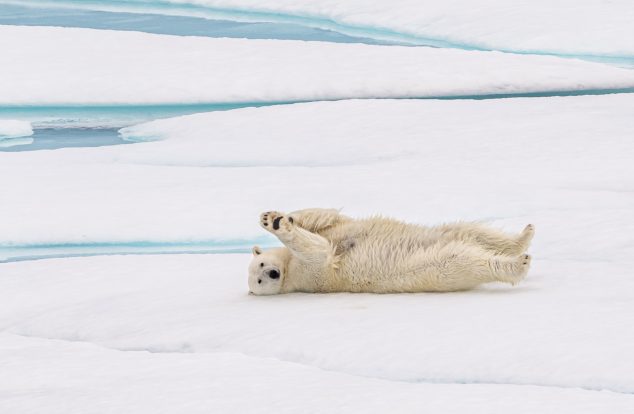
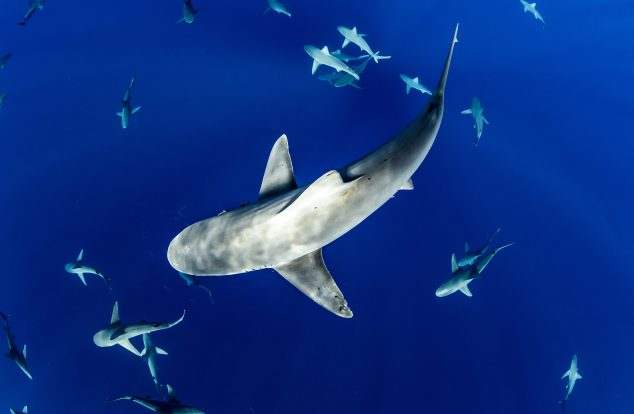
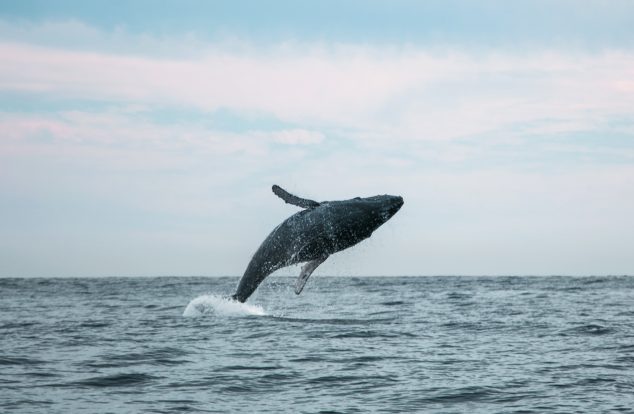
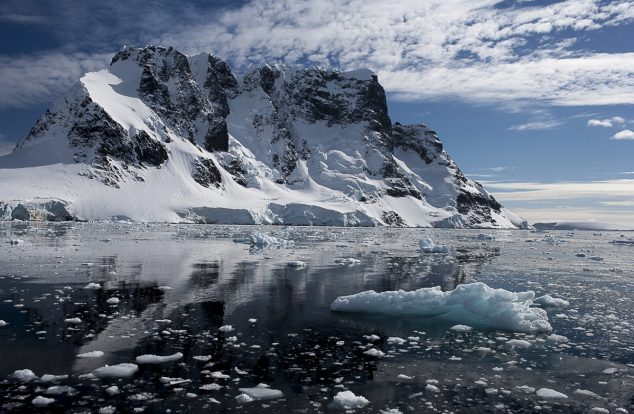
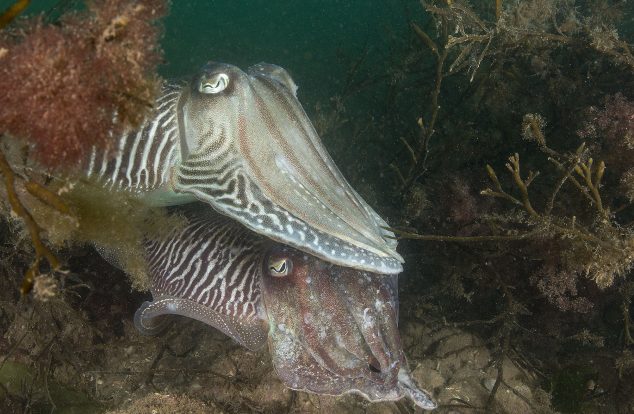
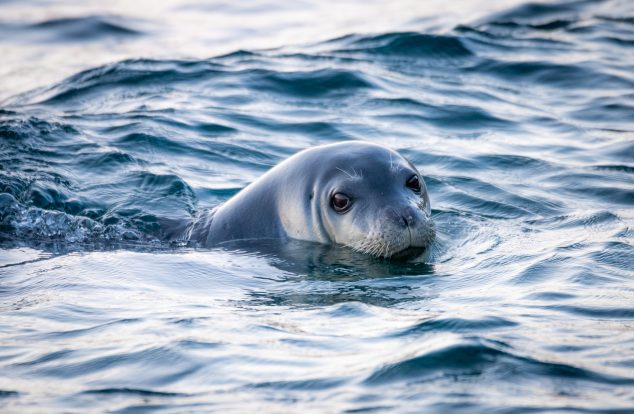
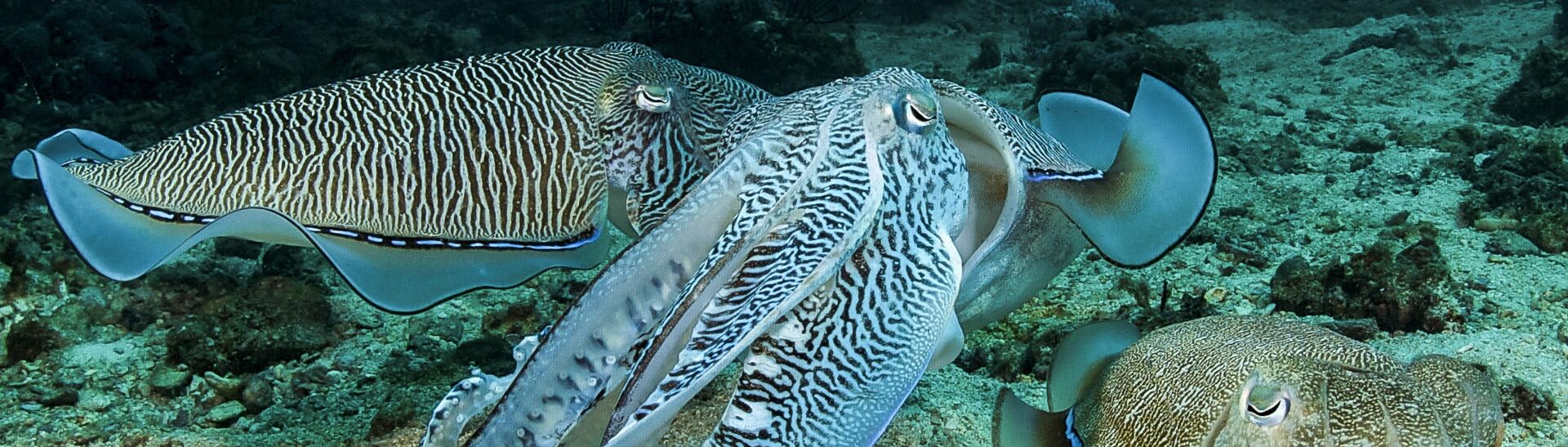
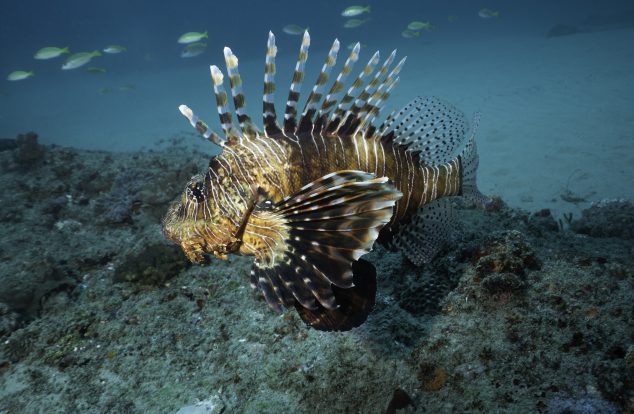
This week’s wildlife photos.
“Marine life is a silent casualty of armed conflicts”
Manatees – “the gentle giants of our oceans have survived for millions of years. Whether they survive the next century depends on all of us.”
“Fishing for jumbo flying squid (Dosidicus gigas) has expanded rapidly over the past two decades. The number of squid-jigging vessels operating in SPRFMO waters rose from 14 in 2000 to more than 500 last year, almost all of them flying the Chinese flag. Meanwhile, reported catches have fallen markedly, from more than 1 million metric tons in 2014 to about 600,000 metric tons in 2024. Scientists worry that fishing pressure is outpacing knowledge of the stock.”
Consultations
The Scottish Government has launched public consultations on a proposed management plan for the West Coast and North Sea nephrops fisheries, alongside plans to consider establishing a regulated commercial razor clam fishery. In addition, it has opened a consultation on Scotland’s Future Catching Policy: selectivity proposals, which set out suggested changes to fishing gear rules and technical measures aimed at reducing unwanted catches and bycatch.