Science
A bright orange nurse shark with white eyes has been discovered in Costa Rica, and scientists suggest its unusual colour may result from genetic or environmental factors.
A rare shrimp has been found living inside Japanese mud shrimp burrows in Hokkaido, marking its first record there and revealing new details about its behaviour and reproduction.
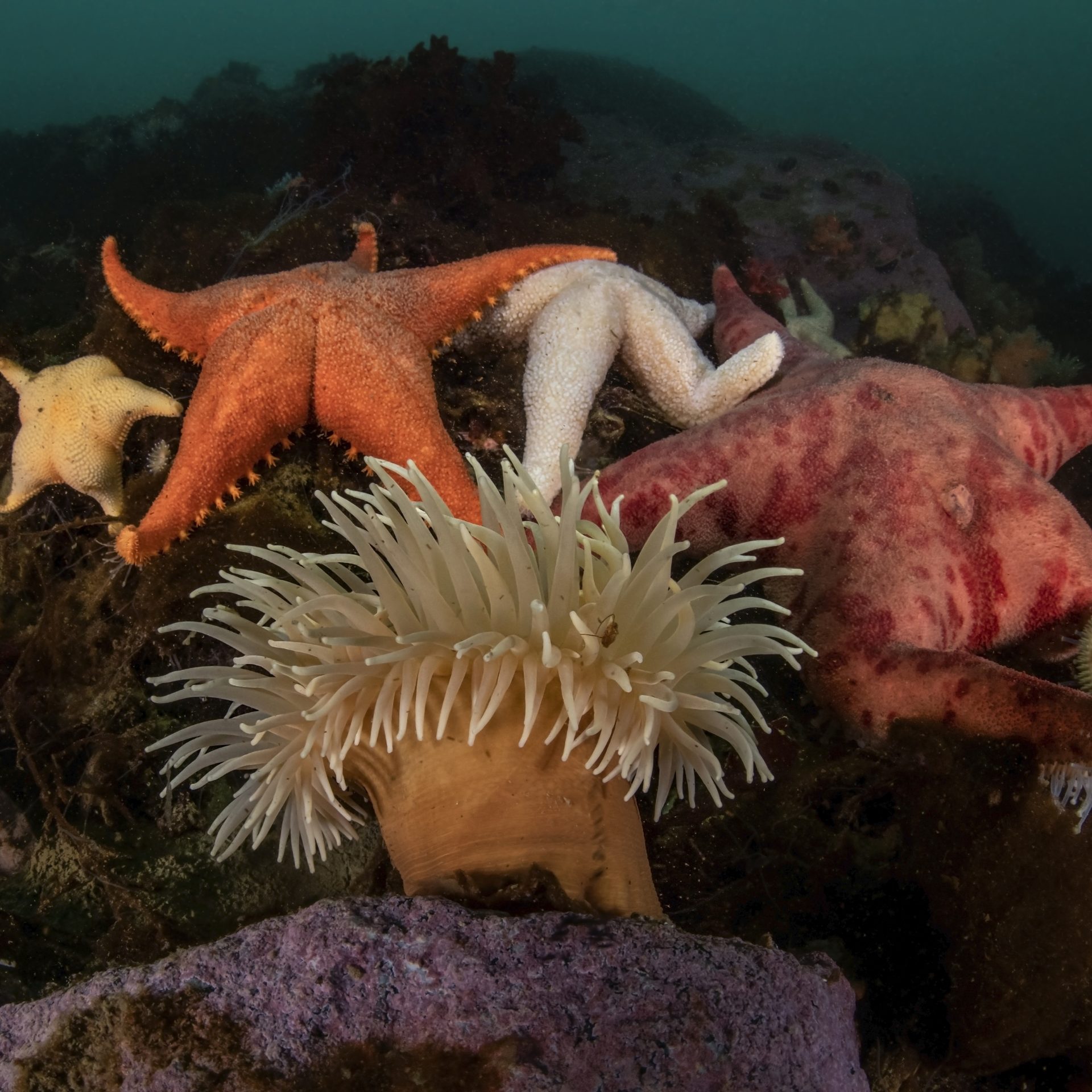
Sea stars can absorb a harmful neurotoxin and show quick, reversible reactions to it, raising concerns about its impact on marine life.
Scientists believe Antarctic seabed mud holds centuries of environmental records that can reveal how human activity and climate change have shaped the Southern Ocean’s ecosystems.
Fisheries
Faroese Fisheries Minister, Jóhan Christiansen, has sounded the alarm on cod stocks in the Faroe Islands, which have plummeted by 87 per cent, calling for urgent measures to avert a severe collapse of the fishery.
A trout farm in the Cotswolds has been accused of mistreating fish and involving children in their killing, prompting calls for stricter rules.
In southern Malaysia, coastal development is harming crab populations and threatening the traditional livelihoods of the Orang Seletar communities.
UK Overseas Territories
The Falkland Islands‘ squid fishery has secured its future through a new biomass-based sustainability agreement with local authorities, allowing fishing to continue despite declining stock levels
The sliteye shark has been recorded for the first time in the Great Chagos Bank, expanding the known range of this near-threatened species.
Spatial segregation and varying bycatch risks have been found to drive differences in wandering albatross populations in South Georgia, indicating that effective conservation strategies must account for these factors.
Marine Protection
New research shows that Marine Protected Areas can help kelp forests recover from marine heatwaves by limiting fishing and safeguarding key predators.
A study in Indonesia found that nearly 80 per cent of whale sharks have scars from boats and fishing, showing the need for safer tourism.
Over the past 30 years, marine mammal strandings along Scotland’s coast have risen sharply, prompting Orkney Islands Council to introduce Scotland’s first whale stranding protocol following a mass pilot whale stranding.
Several Brazilian cities have pledged to stop buying endangered shark meat for public programs.
Support is growing for granting legal personhood to the Great Barrier Reef to better protect it from climate change, pollution, and overfishing.
Conservation
A project in Scotland is restoring coastal habitats like oysters, seagrass, dunes, and saltmarshes to boost wildlife, protect against flooding, and support local communities.
Experts have gathered in Galway today to discuss research and conservation efforts for endangered basking sharks.
NASA simulations show that Greenland’s glacial runoff brings deep-ocean nutrients to the surface, triggering summer phytoplankton blooms that support the Arctic food web.
The Mekong River’s largest fish have shrunk by over 50 per cent in 25 years due to overfishing, dams, and climate change, threatening the river’s ecosystem.
Ocean acidification has been found to be weakening shark teeth, making them more brittle and prone to damage, which could impair their ability to hunt effectively.
Climate Crisis
Scientists have warned that a major Atlantic ocean current (AMOC) could collapse sooner than expected, even with low emissions, highlighting urgent climate risks.
Climate change induced flash droughts have parched Spain’s forests, sparking record wildfires, while similar extreme weather conditions are occurring in Greece, Turkey, and Cyprus. Meanwhile, deforestation in the tropics is raising local temperatures, causing thousands of heat-related deaths each year.
Nickel mining in Indonesia is polluting coastal waters, harming local livelihoods.
Plastics
Despite increasing awareness of plastic pollution, single-use plastic bag sales in England rose in 2024 for the first time in a decade, driven largely by online shopping, with Ocado selling the most. Scientists are investigating how microplastics impact marine life, from molluscs and crustaceans to seaweeds, while humans may inhale up to 68,000 microplastic particles daily, raising the question explored in this podcast: “Why can’t the world get its act together on plastics?”
Misc
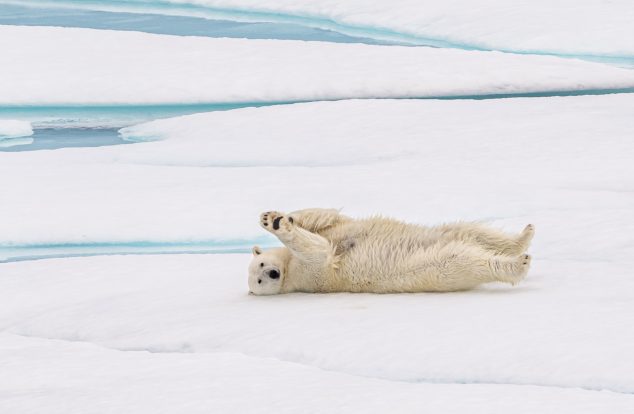
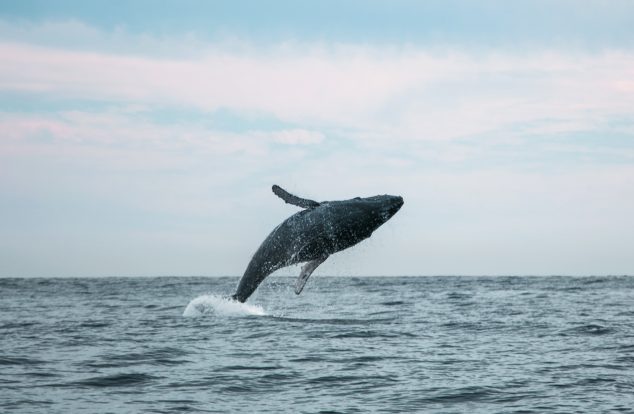
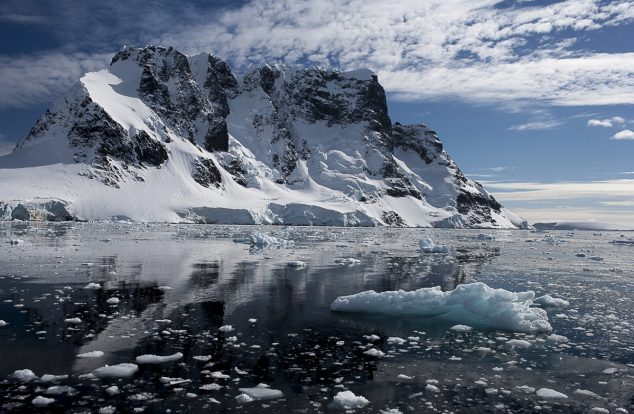
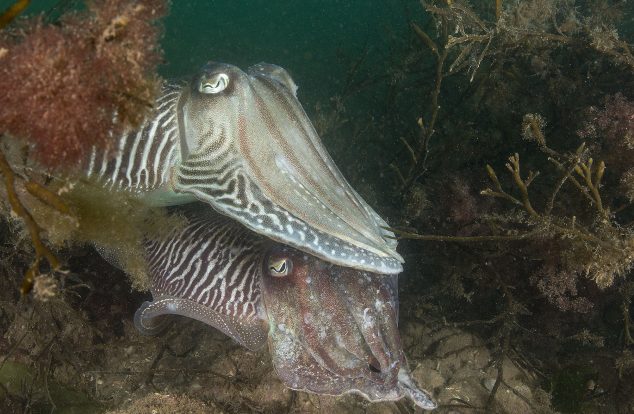
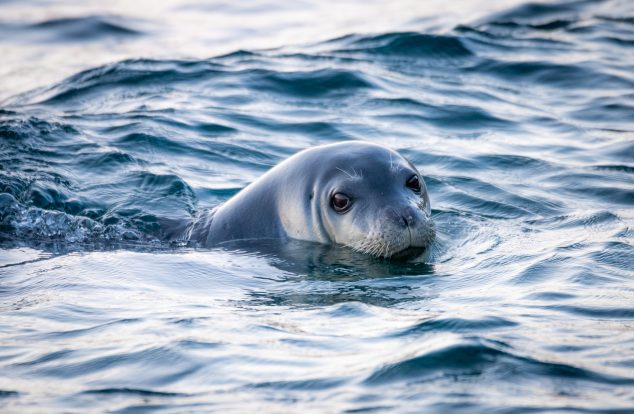
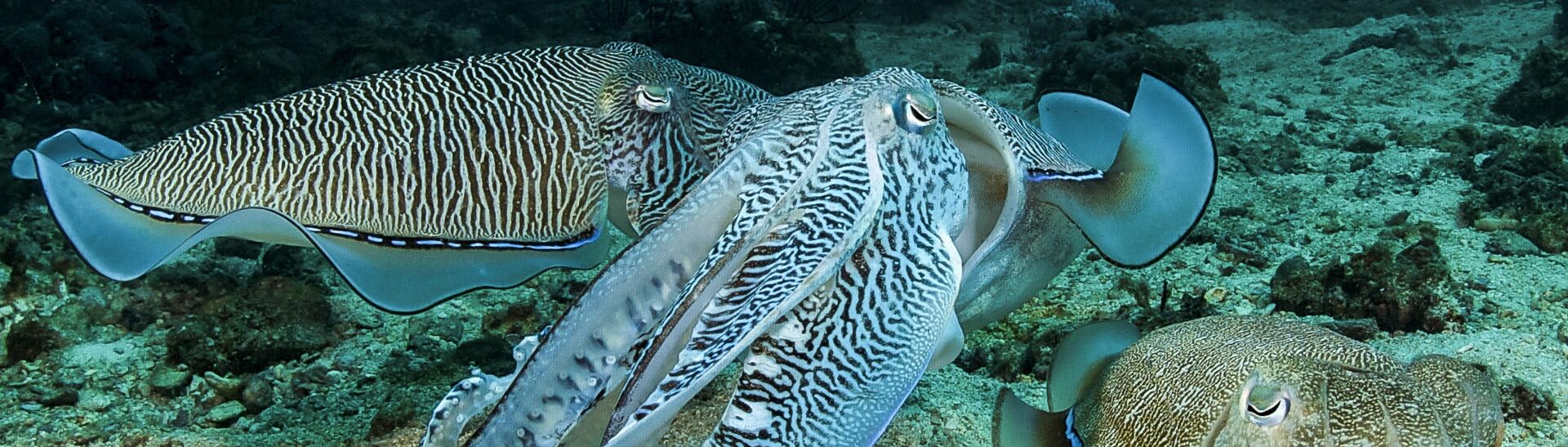
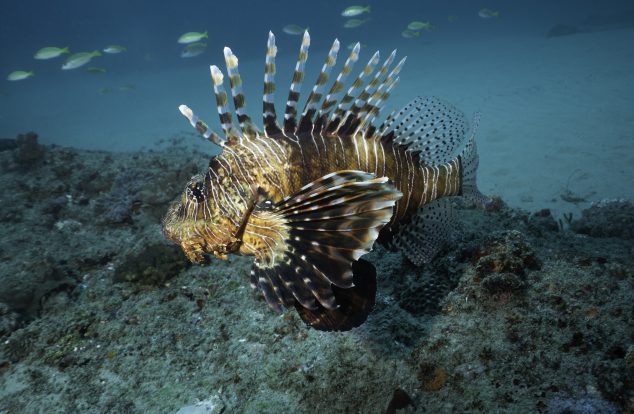
This week’s wildlife photos. See more here.
“It’s as close as you get to studying a mermaid.”
“Right now, we’re out of balance…the natural life support systems of the planet are under threat. We can make the world be powered by things that don’t destroy the planet.” “It’s important when you’re changing the world to have a good time while you’re doing it. I really want people to keep dancing and stay optimistic – but know that we gotta, we gotta, move.”