Science
A newly discovered orange-red ghost pipefish species from Australia’s Great Barrier Reef has been named Solenostomus snuffleupagus, inspired by the Sesame Street character due to its shaggy appearance and elongated snout.
Deep-sea sponges are able to endure pitch-black ocean environments by relying on unusual adaptations that help them source food and energy without sunlight.
Scientists have introduced a new method for assessing the harm invasive species cause by quantifying their effects on animal well-being.
Fisheries
The UK has removed 20 per cent tariffs on Maldivian tuna for two years.
The Indian Ocean Tuna Commission has agreed to ease yellowfin tuna fishing limits after stocks showed signs of recovery, despite ongoing concerns from environmental groups about potential overfishing risks.
Peru has extended its ban on anchovy fishing until 10 June in order to protect stock recovery.
Cornwall Inshore Fisheries and Conservation Authority is considering emergency limits on octopus potting in response to a surge in fishing effort.
Shetland fishermen have warned that an increasing number of foreign vessels are dominating local fishing grounds.
Marine Protection
Over 700 dolphins were killed in a single day during multiple hunts in the Faroe Islands, prompting widespread international concern over the scale of the grindadráp. Sea Shepherd reported that two of its crew were arrested while documenting the events.
A UN report has warned that two major Amazonian migratory catfish are in steep decline as river fragmentation and fishing pressure increasingly block the long-distance routes they depend on.
Following a ruling by the Information Commissioner’s Office, previously withheld inspection data has revealed that millions of salmon have died across Scottish fish farms.
Conservation
A reintroduced platypus population in Australia’s Royal National Park is showing strong recovery.
Researchers have equipped Lucero, a rare eastern Pacific leatherback turtle nesting in Ecuador, with a satellite tag to follow her movements and diving behaviour, helping to inform efforts to protect the endangered population.
Concerns have been raised that Iceland’s proposed aquaculture legislation could worsen declines in wild Atlantic salmon by enabling the expansion of open-net fish farming.
Climate Crisis
A new study suggests humanity is already exceeding Earth’s long-term ecological limits, with current population levels and resource use placing growing pressure on ecosystems and increasing risks to climate stability, food security and biodiversity.
The UK experienced its hottest May day on record last week.
China’s solar exports reached a record high in March, driven by surging demand from countries in Africa and Asia as renewable energy deployment accelerates.
Research suggests offshore wind turbines are acting as artificial reef-like habitats, attracting species such as Jonah crabs and potentially reshaping local marine ecosystems around the installations.
The River Wye has been given a landmark cross-border charter recognising its rights to function naturally, support biodiversity and remain free from pollution.
A new survey indicates that almost half of UK adults spend under three hours a week in nature.
Misc
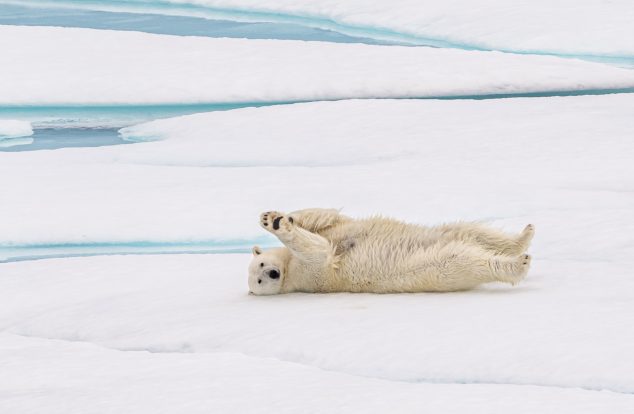
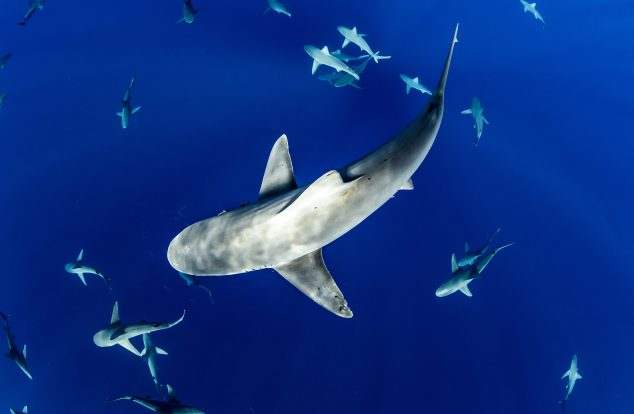
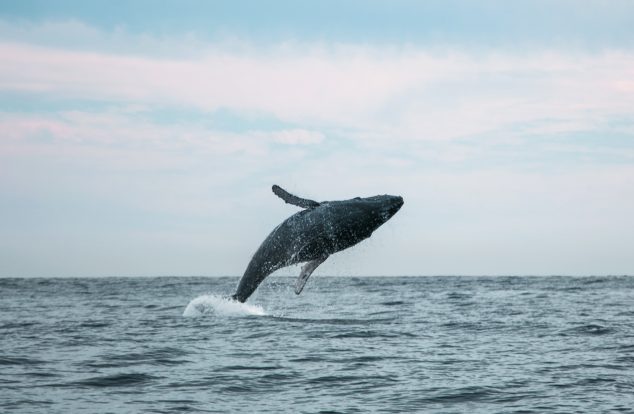
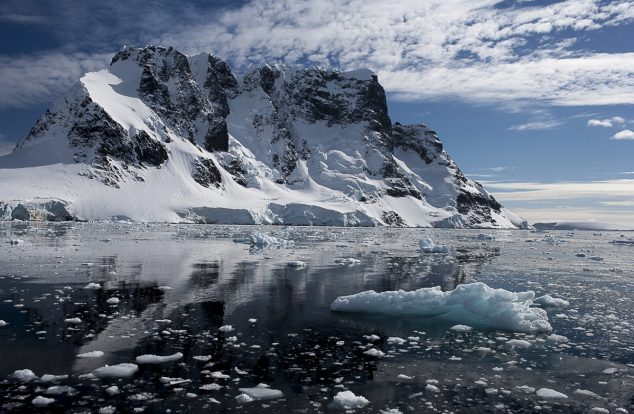
This week’s wildlife and polar bear photos.
“Proceeding with deep-sea mining while the economic case for it is being exposed as false isn’t just environmentally risky, it’s like doubling down on an already failing bet.”
“If we can work with nature’s feedback loops rather than distorting them, we can reap the benefits of their self-sustaining momentum.”
“The message of hope on the climate is that there are now no reasons to remain wedded to fossil fuels. Clean technology is cheap, widely available and overwhelmingly popular.”