Science
In the spirit of Halloween, nature seems to be embracing its spooky side, from flatworms that can grow two heads to the eerie sounds of the ocean used to measure acidification – the natural world is full of curious and wonderful surprises. Genetic research is also uncovering the secrets of one of the world’s rarest penguins, adding to our understanding of the remarkable diversity and adaptability of life.
Bowhead whales’ remarkable longevity may be linked to a protein called CIRBP, while baleen whales release nutrients that can boost ocean primary productivity by up to 10 per cent.
Fisheries
Tensions over Antarctic krill are rising: Norway has proposed doubling krill catches in the Southern Ocean, sparking concern for the marine food chain; Russia has arrested a Ukrainian biologist who supported fishing limits; and UK retailer Holland & Barrett has withdrawn krill products as awareness grows of the crustacean’s vital role in Antarctic ecosystems.
The EU and coastal states are preparing fishing quotas for 2026 that many warn could worsen overfishing.
A report has revealed that much of the shark meat sold in the EU is mislabelled and contains ghastly levels of mercury, putting both consumers and shark populations at risk.
UK Overseas Territories
An NGO in Mauritius is studying how corals reproduce to help restore reefs and strengthen their resilience to bleaching.
The Chagos Islands have been making headlines almost every week recently. This week, the UK High Court hears claims that the Labour Party made “unlawful decisions” over the controversial surrender of the islands to Mauritius, while, in a twist, Chinese‑spyware‑equipped fishing boats have been detected near the strategically crucial UK‑US military base on Diego Garcia.
Marine Protection
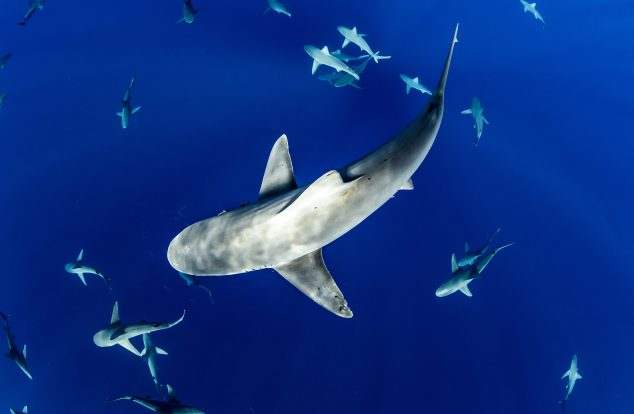
Human activities are putting marine life at risk, from rising whale entanglements to pressure on gulper sharks from international trade. Yet conservation offers hope, with Mexico protecting Atlantic sharks, the EU banning bottom-contact fishing in parts of the Dogger Bank, and manta ray research guiding new protected areas.
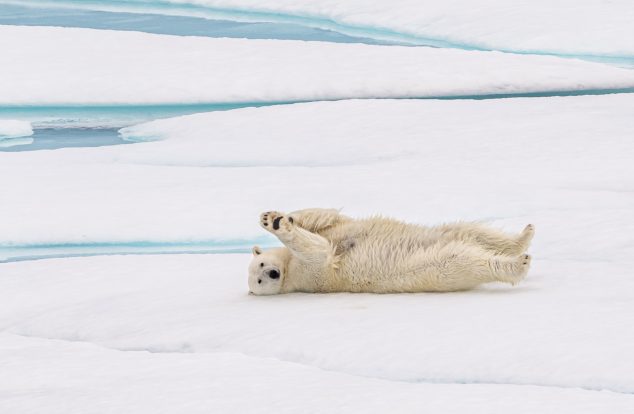
Polar bears supply millions of kilograms of food that sustain other species.
Scotland’s farmed-salmon sector has experienced its lowest production in 35 years, driven by terrifyingly high fish mortality.
Conservation
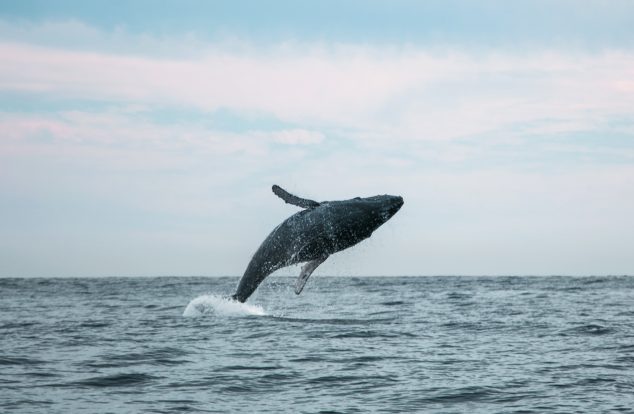
Marine species around the world are showing signs of both recovery and ongoing challenges: Australia’s humpback whales have bounced back, though their main food source, Antarctic krill, is under pressure; ochre sea stars on the Oregon coast are recovering, but populations are not yet fully stable; meanwhile Europe’s flat oysters remain at risk from over‑harvesting, disease, and wicked invasive species.
Researchers found over 1,000 ghostly fish nests in geometric patterns on the Antarctic seabed, showing that deep‑sea fish organise their eggs for protection.
Corals naturally rebuild themselves in three stages: changing their tissue, attaching to a reef, and forming a skeleton!
Climate Crisis
COP30, the 30th UN Climate Change Conference, will be held in Brazil this November, as global urgency grows over worsening climate impacts. Scientists warn Earth has crossed its first frightful tipping point, with rising ocean temperatures fuelling stronger storms like Hurricane Melissa, which devastated Jamaica and Cuba. Across the Caribbean and beyond, extreme weather and coral bleaching are intensifying, while Australia’s marine habitats and Atlantic mollusk populations face mounting threats. Despite this, the UN reports that global emissions are set to fall only 10 per cent by 2035, far below the 60 per cent needed to prevent dangerous warming. Still, progress is emerging, with nations like Scotland embracing solar energy and scientists creating a hybrid seagrass that tolerates shadowy low light and could help restore damaged coastal ecosystems, offering a promising glimpse of hope.
Misc
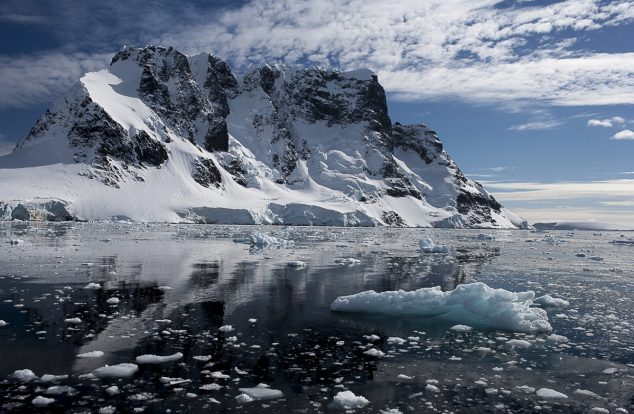
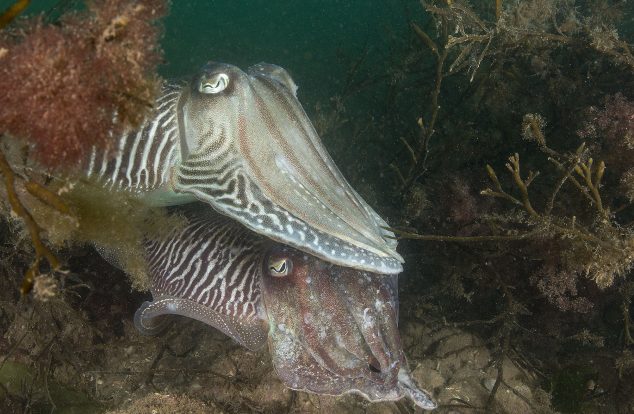
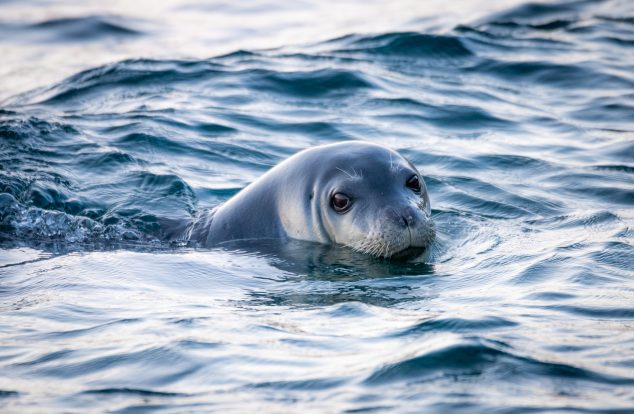
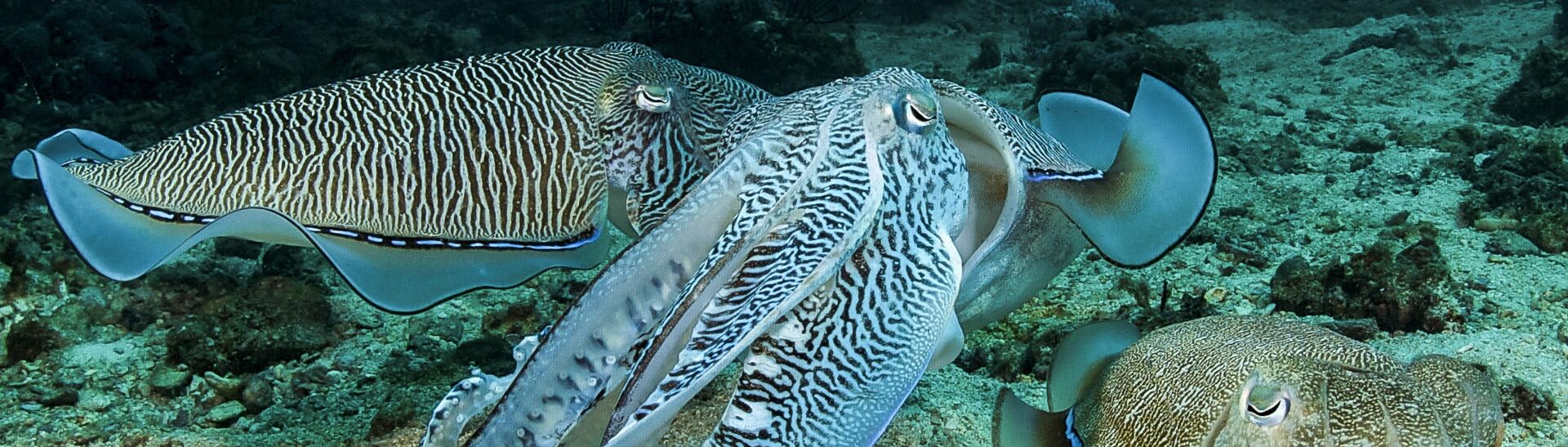
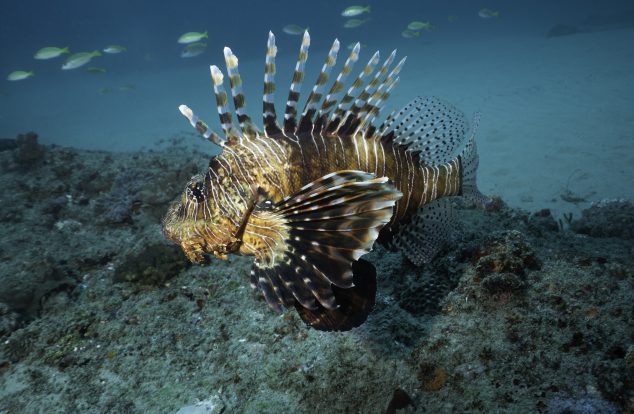
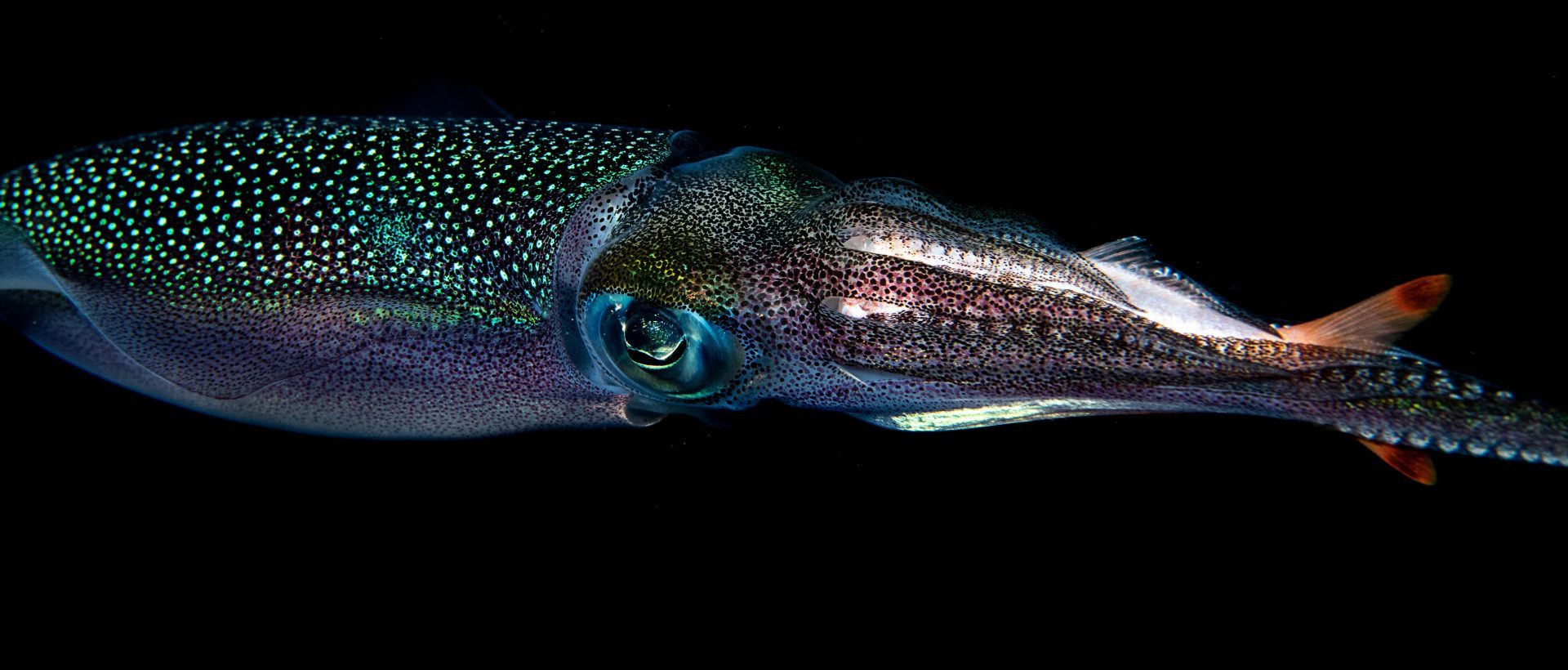
This week’s wildlife photos.
“The UK’s action to end overfishing has been inconsistent at best and absent at worst.”
“When I think about what makes someone care about the natural world, it rarely begins with statistics or graphs. It begins with a moment. For me, it was an encounter I had at age 12 with frogs in an Indigenous community in the Ecuadorian Amazon, a fascination that turned to urgency when I later read about an oil spill near where I had stayed. Since then, I’ve come to believe that connection, not just information, is what stirs people to act.” Rhett Ayers Butler, Mongabay.