Science
Scientists have confirmed the existence of the sailback houndshark, a species not seen since the 1970s.
New research reveals that male ghost sharks develop rows of teeth on a forehead appendage, which they use to hold onto females during mating.
Juvenile clownfish have been found to adjust their metabolism and biology to cope with warmer sea temperatures.
Fisheries
More than half of the world’s commercially important fish stocks are projected to shift from Exclusive Economic Zones into the high seas by 2050 due to ocean warming, raising concerns about overexploitation and loss of access.
In Gambia, local fishermen are clashing with foreign boats and each other over dwindling fish stocks and unfair competition, sparking violent conflicts at sea.
A recent report warns that weak UK import controls since Brexit are allowing seafood linked to Illegal, Unreported, and Unregulated (IUU) fishing and human rights abuses into the market, underscoring the need for stricter monitoring and enforcement. MP Rachel Gilmour echoes these concerns. Concurrently, the UK has launched the “Fish, Trace, Ship” campaign to help the seafood industry comply with upcoming EU export regulations on IUU fishing.
UK Overseas Territories
Two dead sharks were found in a lost fishing net off Grand Cayman, highlighting the serious threat ghost nets pose to marine ecosystems.
Marine Protection
A global survey shows 82 per cent of people support the 30×30 biodiversity target to protect 30 per cent of land and sea by 2030, but currently only 17.6 per cent of land and 8.6 per cent of marine areas are protected.
Scotland has announced the protection of nearly 60,000 square kilometres of seabed from bottom-trawling, marking significant progress for marine conservation; however, there is concern that inshore waters, where trawling remains widespread, are still largely unprotected.
The Philippines has protected over 60,000 hectares of ocean around Panaon Island as a Marine Protected Area (MPA), safeguarding some of the world’s healthiest coral reefs and introducing new rules to manage fishing and other commercial activities.
Conservation
A viral video of a giant manta ray being captured in Florida has sparked outrage and led lawmakers to call for stricter rules protecting endangered marine species.
New research has shown that super corals, which naturally tolerate extreme heat, low oxygen, and high salinity, can maintain their resilience when relocated to more stable reef environments.
In the 1960s, proposed oil drilling along the Great Barrier Reef was halted by public opposition, resulting in the creation of a marine park that protected the reef; yet fifty years on, the reef faces the threat of climate change, highlighting how different decisions could have dramatically changed its fate.
Climate Crisis
A study warns that human activity and climate change are pushing oceans toward a dangerous tipping point, with impacts expected to double by 2050. Even if La Niña develops later this year, global temperatures are expected to stay above average. Recent findings also show that rising ocean temperatures could undermine mangrove restoration efforts, putting 150,000 hectares and £28 billion worth of ecosystem services at risk by 2100, primarily in Asia.
Twenty years after Hurricane Katrina, Louisiana’s coastal restoration and protection efforts have cut flood damage across the state by nearly 60 per cent.
Industrial mercury emissions from Asia have been traced into the open ocean food web, showing that it is absorbed by zooplankton and accumulates in fish such as tuna.
Conservative leader Kemi Badenoch has pledged to scrap all net zero requirements for North Sea oil and gas companies if elected, prioritising maximum extraction, a move critics say would raise emissions, damage the environment, and jeopardise the UK’s climate commitments.
Misc
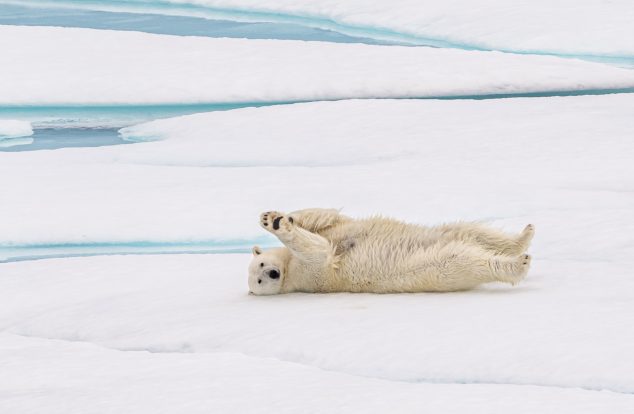
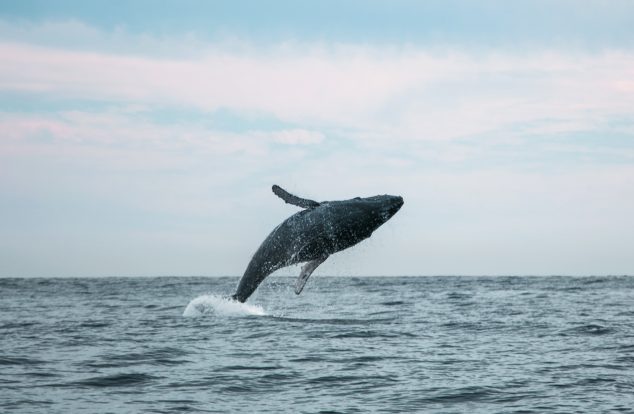
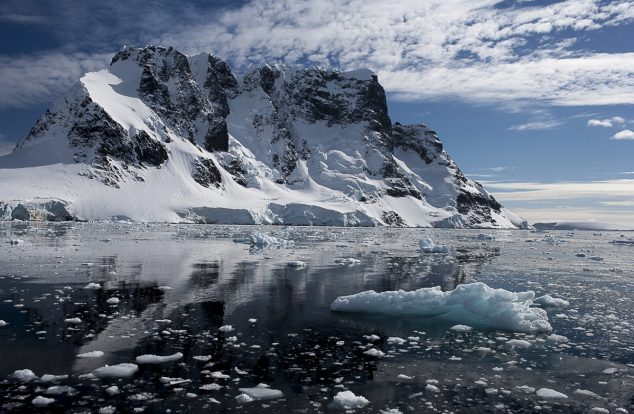
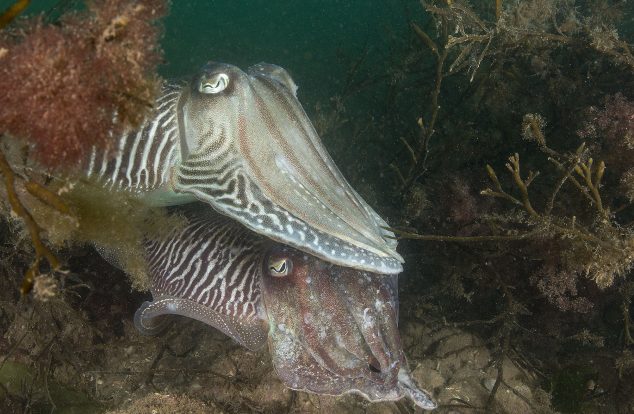
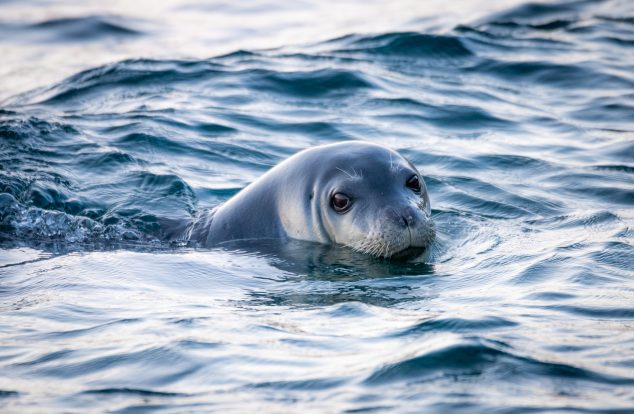
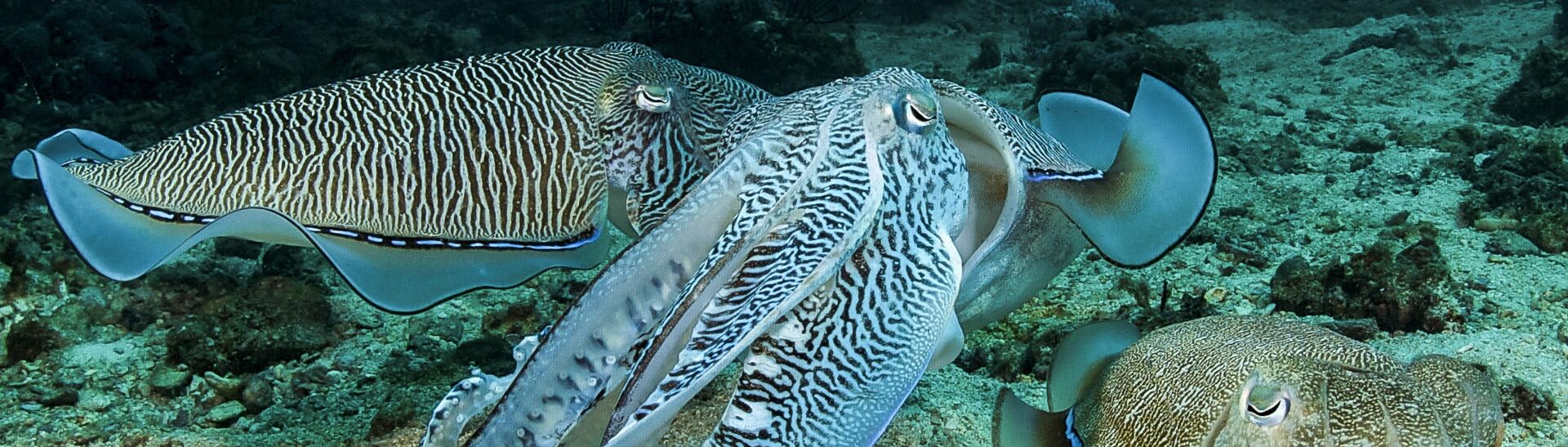
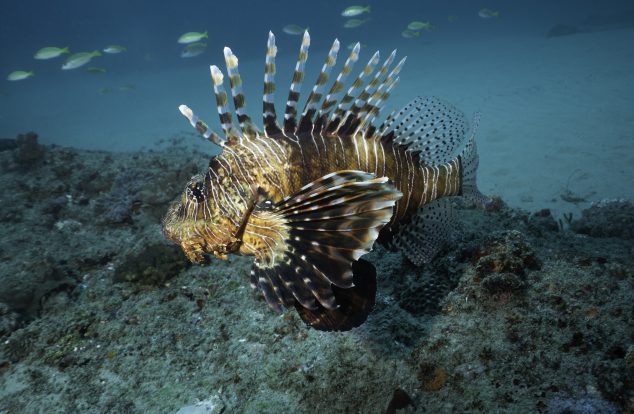
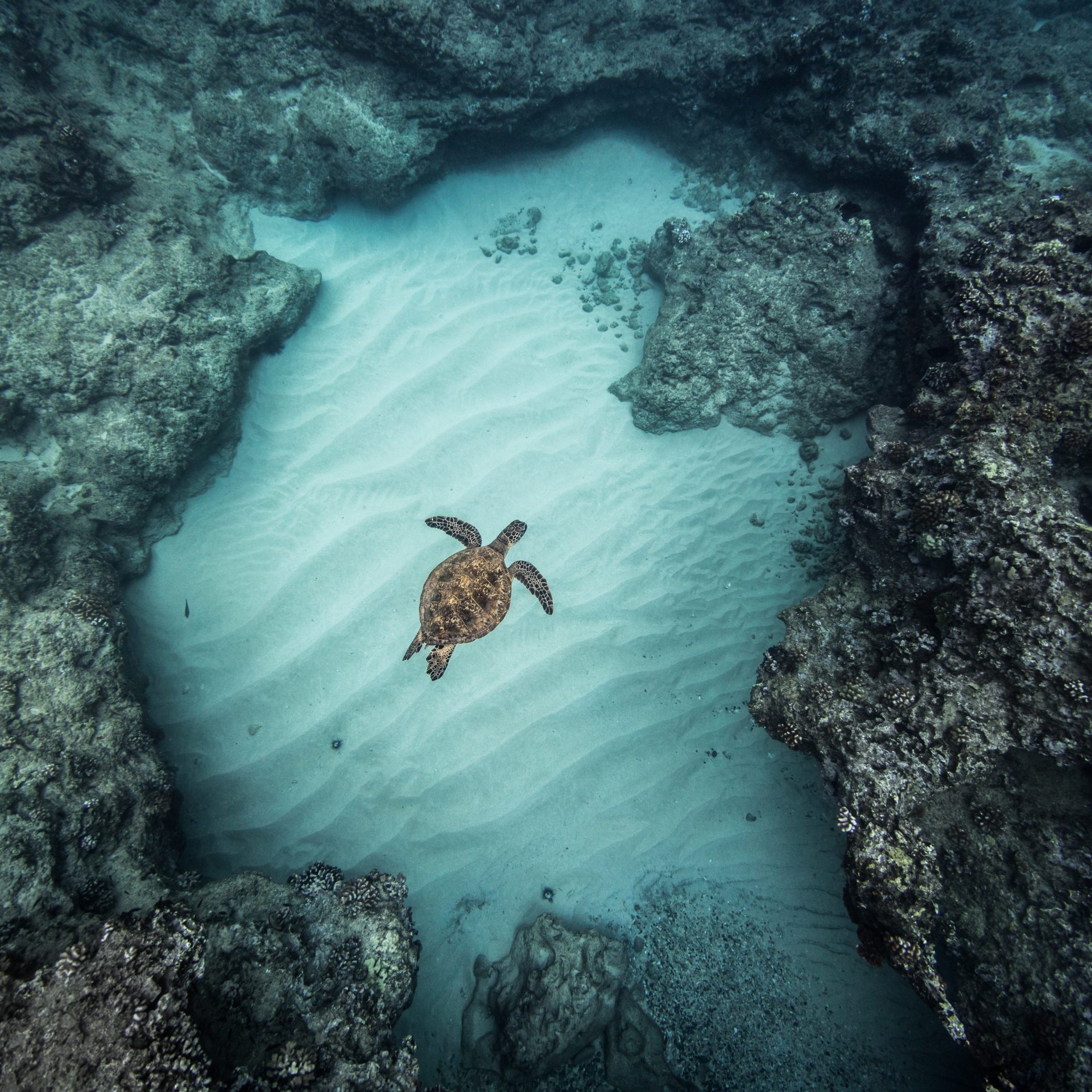
This week’s wildlife photos.
A striking photographic portrayal of the devastating effects of overfishing and unregulated fishing across Southeast Asia.
“My fear is that we’re going to be too late for a lot of deep-sea sharks. They breed slowly, so if their populations are depleted, they don’t recover quickly. We know so little about how their ecosystems work. If they are overfished or destroyed by deep-sea mining, we may just wipe out entire populations or create a huge imbalance in deep-sea ecosystems – without even knowing we are doing it.”