Science
Scientists have recorded a rare giant phantom jellyfish off the coast of Argentina and, using underwater acoustics, have also revealed how beaked whales behave and hunt during their deep dives.
Researchers exploring the deep seabed of the Pacific’s Clarion-Clipperton Zone discovered nearly 800 species, many new to science, but found that experimental mining activity significantly reduced biodiversity.
Fisheries
Norwegian scientists have warned that fish populations in their waters have halved since 2013, primarily due to overfishing and environmental pressures.
Peru has closed its second anchovy fishing season in the north-central region after fishers nearly reached the full quota, leading authorities to shut the fishery to protect the anchovy population.
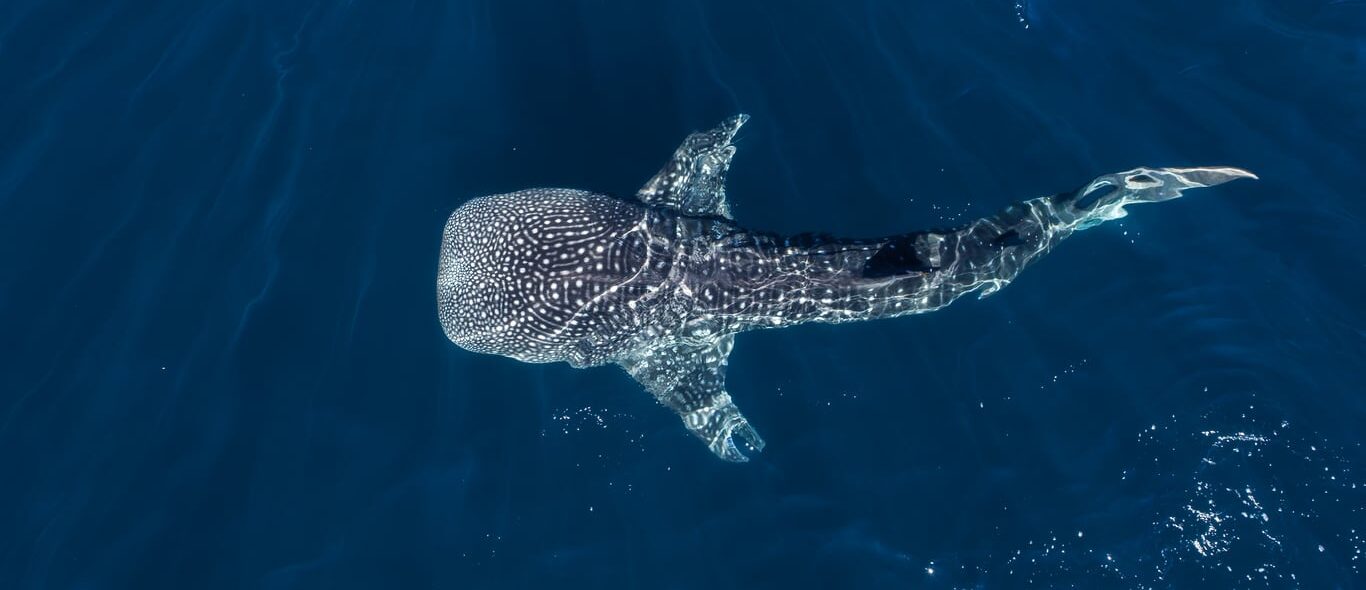
Fishers in India are increasingly having to come to the rescue of endangered whale sharks trapped in their nets.
UK Overseas Territories
While concerns have been raised that the recent Chagos sovereignty deal might allow fishing in the Chagos Islands marine protected area, others emphasise that the Mauritius government has set ambitious conservation goals and remains committed to banning commercial fishing, while striving to balance wildlife protection with the needs of local communities. Despite earlier US criticism of the deal, Donald Trump has now signalled support.
Marine Protection
Over the past three years, more than 35 million farmed salmon have died unexpectedly in Scotland, sparking outrage over inadequate inspections and demands for stricter industry regulations.
Governments are supporting a study to explore the possibility of designating the ecologically rich Hudson Bay coastline in Manitoba as a national marine conservation area.
Conservation
Malaysia has lost about 20 per cent of its coral reefs in three years!
Quagga mussels, an invasive species, have dramatically altered the Lake Geneva ecosystem and continue to pose a significant threat to conservation efforts.
Scientists in Malaysia discovered that planting multiple seagrass species together improves the recovery of damaged beds, while a major restoration project in the Humber Estuary has successfully trialled techniques to revive seagrass meadows.
North Atlantic whales now show significantly lower levels of certain PFAS “forever chemicals” than a decade ago, indicating that chemical regulations are helping reduce ocean pollution.
Although whaling persists in some regions, highlighting the ongoing challenges in fully protecting these vital species, the global moratorium on commercial whaling, agreed 40 years ago, remains a landmark achievement that significantly safeguarded whale populations and transformed ocean conservation.
Climate Crisis
Human-made materials now constitute nearly half of the tiny particles found on UK beaches, emphasising the increasing impact of pollution. Environmental groups have criticised the UK government’s PFAS plan as “crushingly disappointing,” arguing that it fails to do enough to restrict or ban these harmful chemicals.
China’s clean energy sector accounted for over 90 per cent of the country’s investment growth last year, driving a rapid expansion in renewables; however, the nation also commissioned more than 50 large coal power units in 2025, despite the booming wind and solar capacity.
Experts warn that current economic models underestimate the true severity of the climate crisis, while a new UN proposal aims to hold major fossil fuel companies financially responsible for the damage caused by climate change. Canada is pursuing other approaches, including the Crawford nickel mine’s plan to capture carbon dioxide by trapping it in its waste rock, while Scotland has launched a new tree-planting initiative aiming to plant 1.5 million trees.
Misc
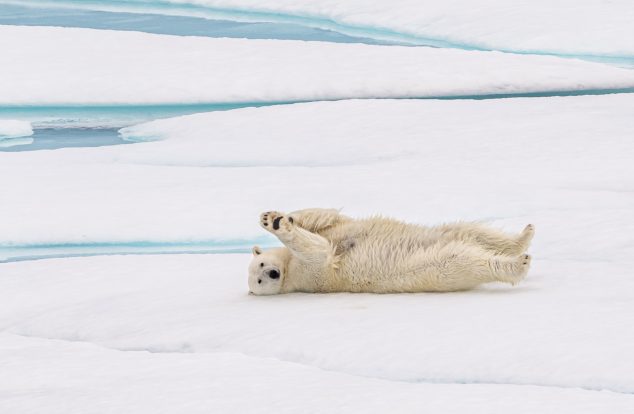
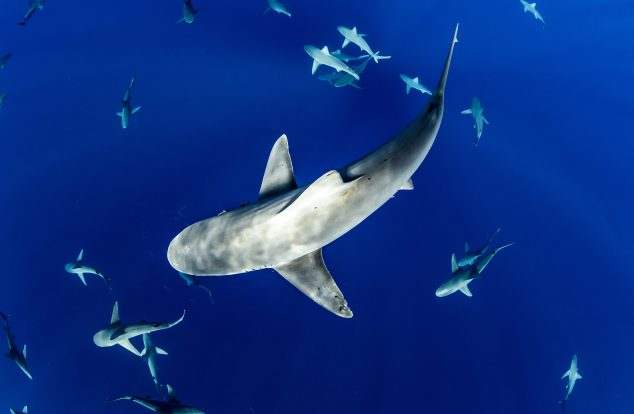
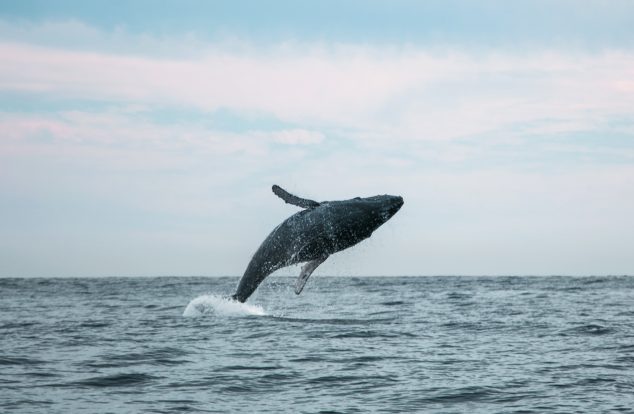
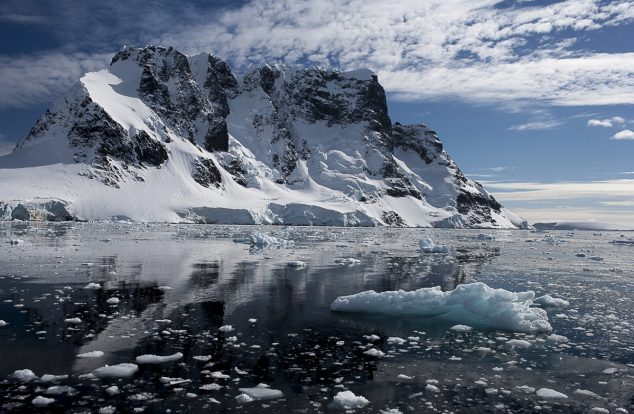
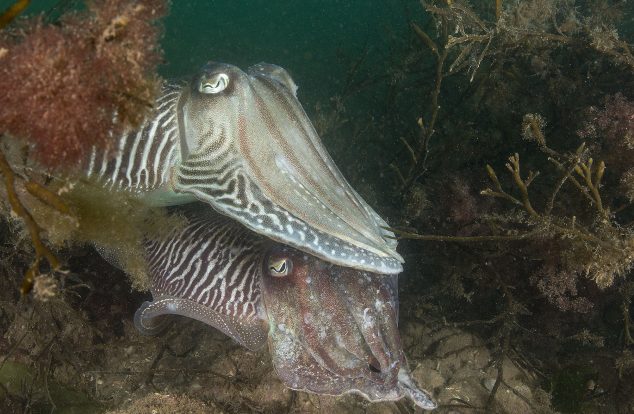
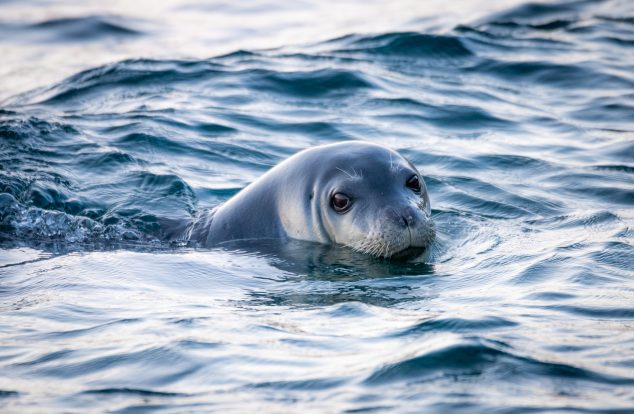
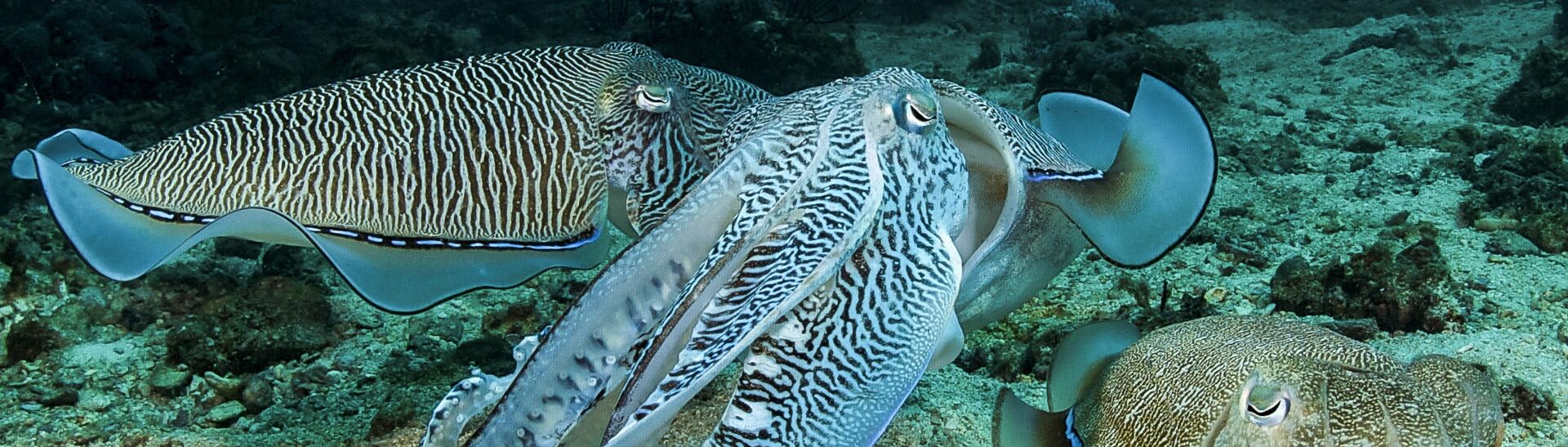
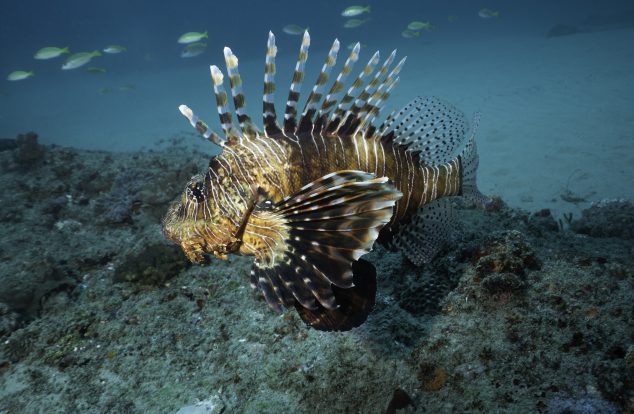
This week’s wildlife photos.
“The framing of nature loss as a national security issue should help to focus minds across government. Food and energy security are among areas where policy action is most urgently needed. But in our era of climate breakdown, no area of human activity is insulated.”
“Biodiversity loss should be understood not as an isolated environmental problem, but as a multiplier of existing social, economic, and political stresses.”