Science
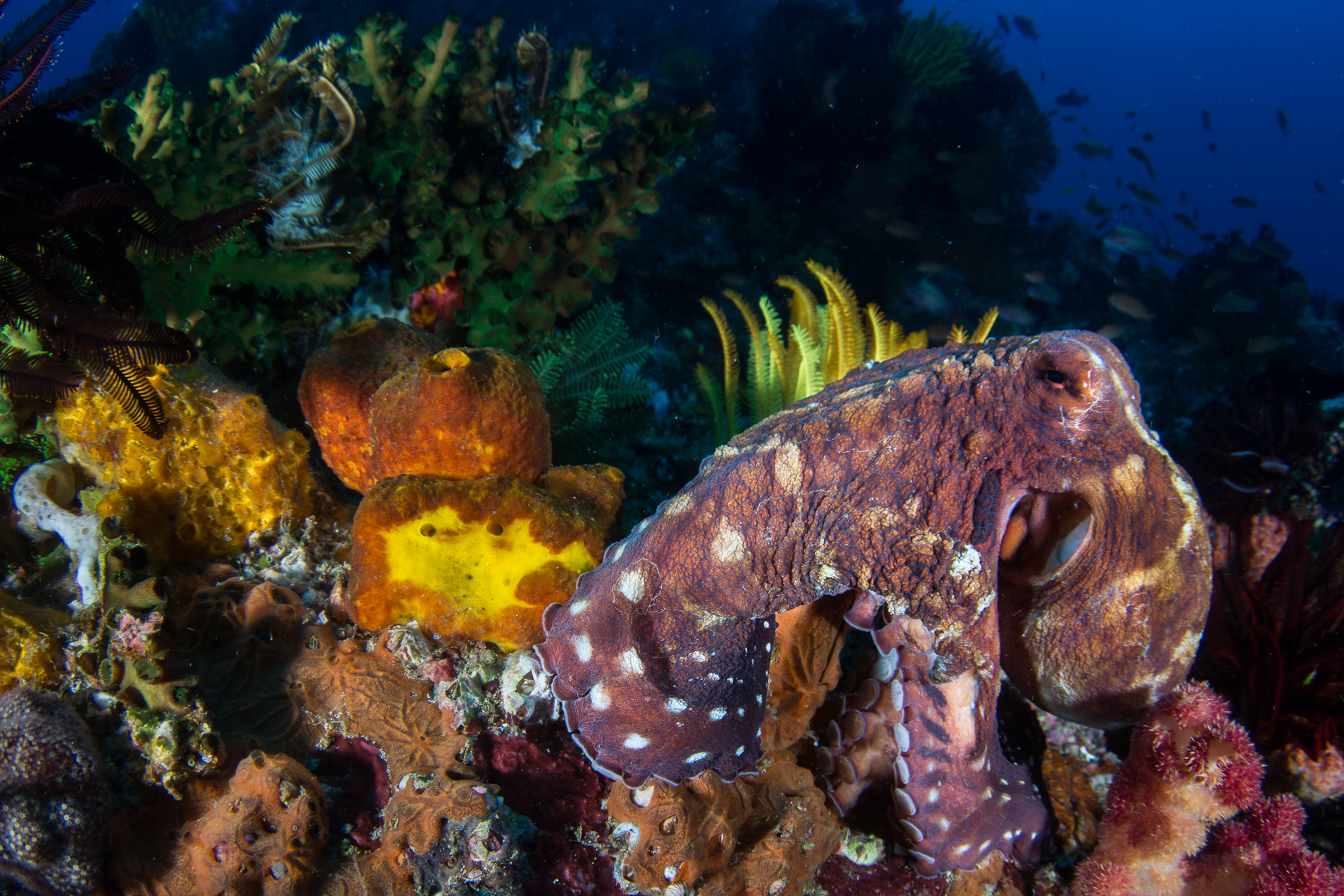
Evidence suggests that giant octopuses, possibly reaching lengths of up to 19 metres, occupied the very top of the marine food chain during the Late Cretaceous.
Research into a jellyfish with an extraordinary ability to reverse its life cycle is shedding light on the mechanisms of cellular renewal and longevity.
Scientists argue that lower public investment in research could diminish Britain’s influence in global science and hinder future discoveries.
Fisheries
Drifting tuna fishing devices affect more than half of the world’s marine protected areas, threatening wildlife and vulnerable marine ecosystems.
A worldwide study has revealed that the removal of shark fins continues to place heavy pressure on shark species, emphasising the importance of improved protection and management efforts.
Japan’s Pacific sardine fishery has suffered a major collapse after the expected return of sardine stocks in eastern Hokkaido failed to occur.
Norway is increasing its coastal cleanup initiatives to recover lost fishing gear.
UK Overseas Territories
Conservation teams have launched an emergency response to help penguins affected by an oil spill in a Tristan da Cunha.
Bermuda’s fishing community has proposed an alternative plan for the Bermuda Ocean Prosperity Programme.
Experts from Canada have explored the feasibility of establishing a salmon aquaculture industry in the Falkland Islands.
The Weddell Sea is attracting growing interest from travellers seeking to explore Antarctica’s remote landscapes, raising questions about balancing exploration with protection of its sensitive ecosystems.
A study in the Chagos Archipelago has found that invasive rats can indirectly damage coral reef ecosystems by reducing seabird populations, disrupting the flow of nutrients from islands to the ocean and altering the ecological processes that support reef health.
Marine Protection
An emperor penguin colony in Antarctica suffered major chick losses after a large iceberg disrupted access to feeding areas, preventing adults from bringing back enough food and demonstrating how changes in sea ice conditions can threaten vulnerable marine wildlife.
Mining pressures remain a concern in Indonesia’s Raja Ampat region, where environmental groups warn that industrial activity could threaten the area’s exceptional marine biodiversity and fragile ecosystems.
Panama’s efforts to map and quantify its mangrove forests are revealing the extent of these vital blue carbon ecosystems, while also exposing decades of habitat loss.
Conservation
A centuries-old seabird hunting tradition in Scotland has been suspended for the first time, as declining bird populations and increasing conservation concerns prompt new efforts to protect vulnerable species.
A stranded whale on a bean in Mumbai has triggered a coordinated response from experts and officials.
Humpback whale calls have shown that their songs change over time in structured ways, offering new insights into the complexity and evolution of whale communication.
Climate Crisis
Turkish farmers say “nobody cares” as they face the environmental impacts of the UK’s exported plastic waste, with pollution from discarded materials threatening farmland, ecosystems and local livelihoods.
Researchers have found that global warming has accelerated over the past decade, with rising temperatures occurring at a faster rate than in previous periods. This rapid warming is also increasing pressure on great white sharks, whose specialised physiology and high energy demands make them particularly vulnerable to changing ocean conditions.
New research highlights that England is facing worsening drought conditions and that every assessed waterway in England has been found to contain traces of harmful chemicals.
Hundreds of fish have been found dead in Norwich’s River Wensum after extreme heat and polluted drainage flows combined to create low-oxygen conditions.
Misc
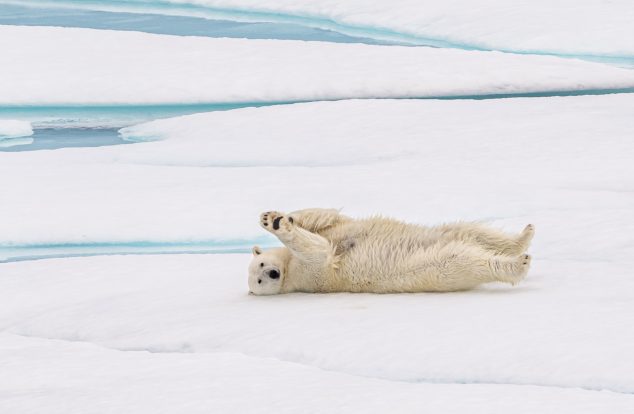
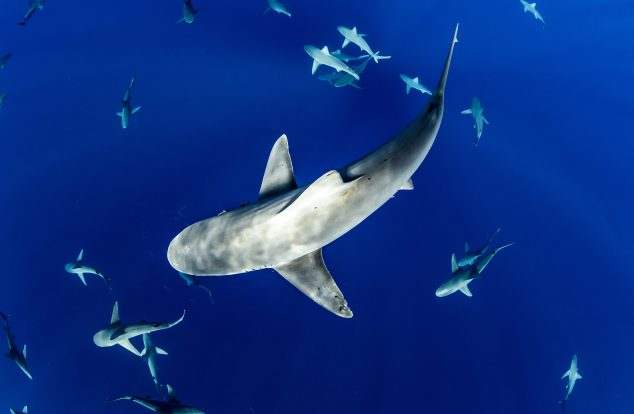
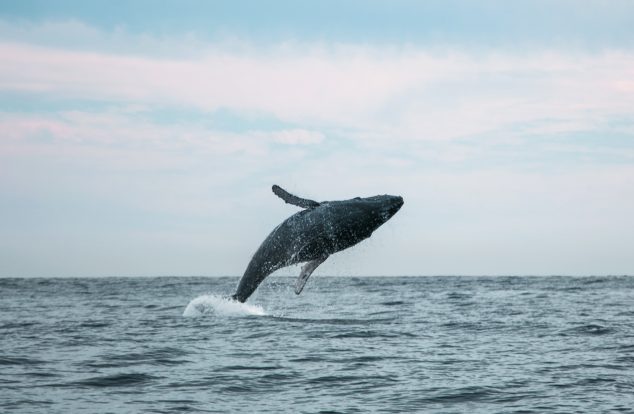
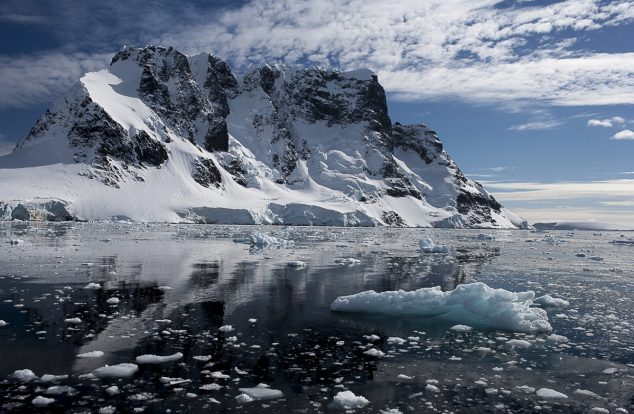
This week’s wildlife photos.
“We launched a war on nature. Now we are in a climate war zone.”
Photo banner credit: Grant Thomas / Ocean Image Bank