Science
A new species of deep-sea limpet and pale‑pink sea anemone have been discovered!
Scientists have also discovered a vast deep-sea coral reef ecosystem off the coast of Uruguay, harbouring over 30 potentially new marine species.
Fisheries
As Antarctica faces increasing threats, the recent annual meeting of the international body responsible for managing Antarctic marine life ended without agreement on new marine protected areas or stricter rules for krill fishing.
A lifetime fisherman, Martin Yorwarth, has written a ska shanty to protest about the plight of seaside towns and their small boats in the face of official indifference and the lack of fish to catch.
Small-scale fishermen across Europe have asked the European Commission to ban bottom trawling in marine protected areas, arguing that big fishing boats harm their communities and sustainable fishing.
The International Council for the Exploration of the Sea (ICES) has issued its 2026 catch-limit advice for Norway lobster.
UK Overseas Territories
A chemical tanker operated by a Bermuda‑based company was attacked by Somali pirates about 330 nautical miles east of Mogadishu, but the European Union Naval Force successfully intervened.
Scientists found that people living on a Pacific island about 1,800 years ago were fishing for big ocean fish like tuna and sharks, showing they were skilled at deep-sea fishing.
An American tourist in Grace Bay, Turks and Caicos, is set to undergo hand surgery after being bitten by a barracuda!
Marine Protection
The Earthshot Prize 2025 honoured the High Seas Treaty this week – a global ocean initiative set to take effect in January 2026 that aims to protect marine life by establishing clear conservation measures for international waters beyond national jurisdiction.
Scientists are calling for urgent action to protect Indonesia’s rapidly disappearing seagrass meadows, while a comprehensive mapping of Italy’s coastline aims to guide seagrass and marine ecosystem recovery efforts.
Illegal shark fin trading continues despite protective regulations, threatening shark populations worldwide.
Conservation
Researchers have revealed that “super‑corals” in Egypt’s northern Red Sea have achieved about 85 per cent recovery from the record‑breaking 2024 bleaching event. Despite earlier fears that the Great Barrier Reef would be doomed if global temperatures rose 1.5°C, a new study offers optimism. Meanwhile, night dives have uncovered surprising alliances between young fish and larval anemones.
For the first time in over 100 years, salmon have returned to the upper tributaries of the Klamath River in northern California after dams were removed, but efforts to help them recover are threatened by funding cuts and policies from the U.S. federal government.
Orcas appear to have mastered a ruthless hunting technique, flipping young great white sharks upside-down to kill them.
Explosive blooms of Sargassum in the Atlantic have been found to be driven by phosphorus from deep waters.
Climate Crisis
As COP30 approaches, world leaders are expressing growing concern over climate change, with the UN warning that limiting global warming to 1.5°C is now nearly impossible. Notably, leaders from the world’s largest polluting countries skipped the preparatory meeting ahead of the summit. UK Prime Minister Keir Starmer cautioned that the global consensus on climate action has broken down, even as many continue to criticise former US President Trump’s dismissal of climate science. Meanwhile, despite the UN’s condemnation of fossil fuel expansion, Greece has launched its first offshore gas drilling in the Mediterranean in over four decades.
Britain has ranked among the least “nature-connected” countries worldwide, contrasting with nations like Nepal.
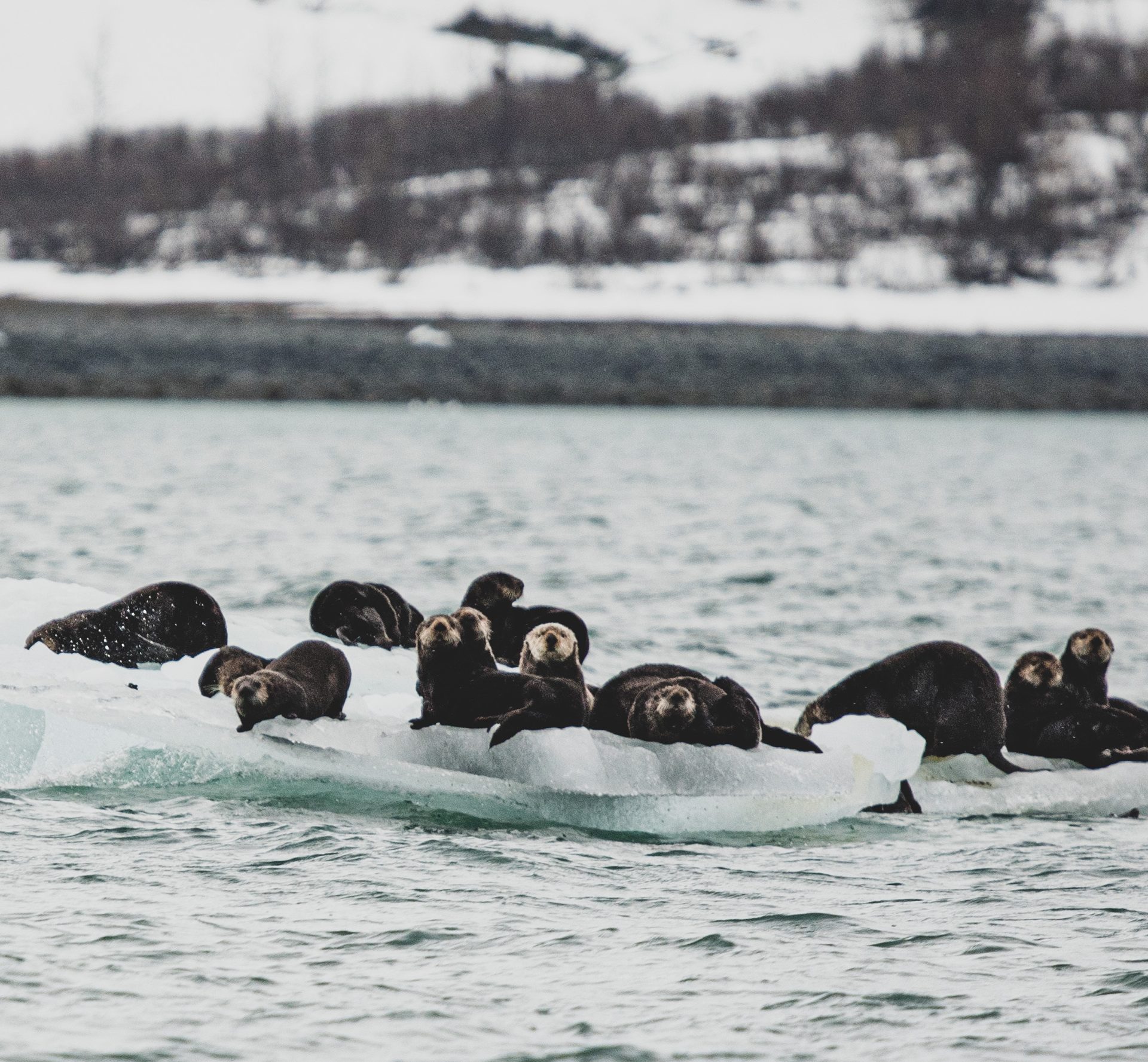
High concentrations of forever chemicals have been found in dead sea otters recovered off the coast of Canada.
Misc
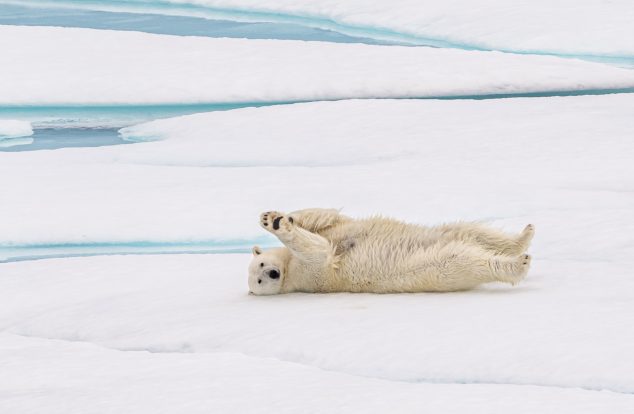
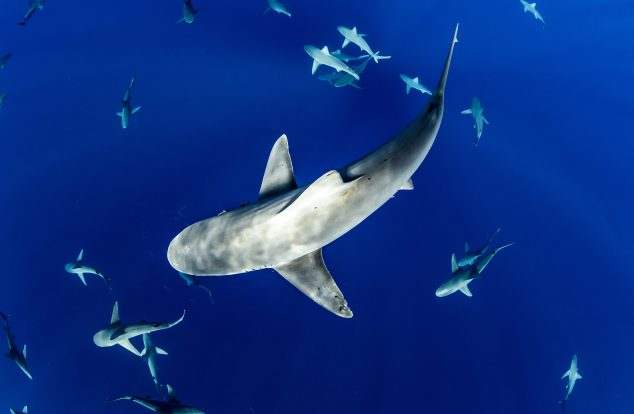
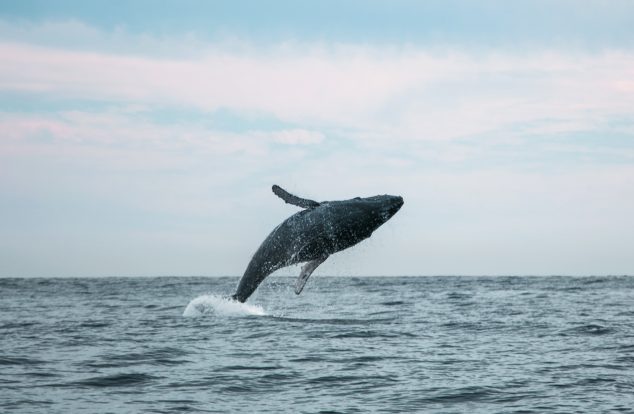
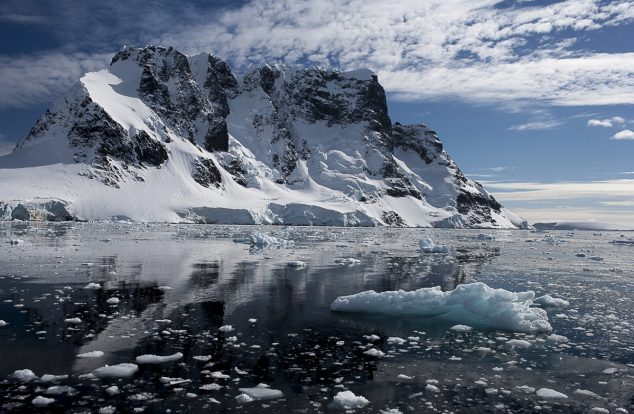
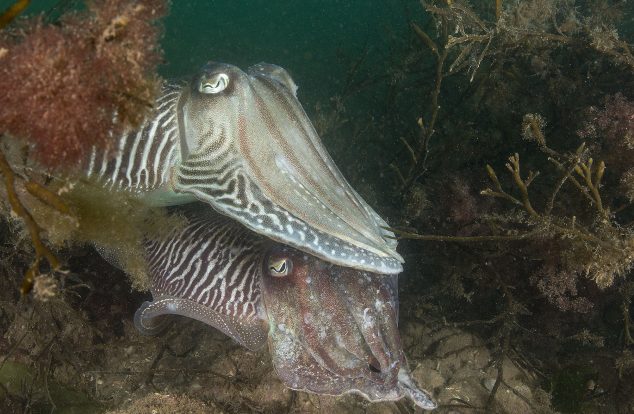
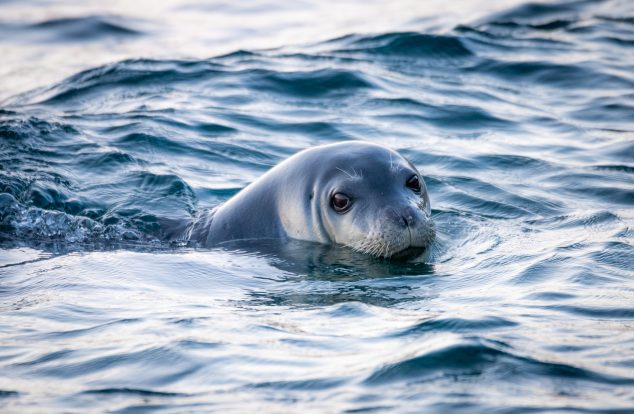
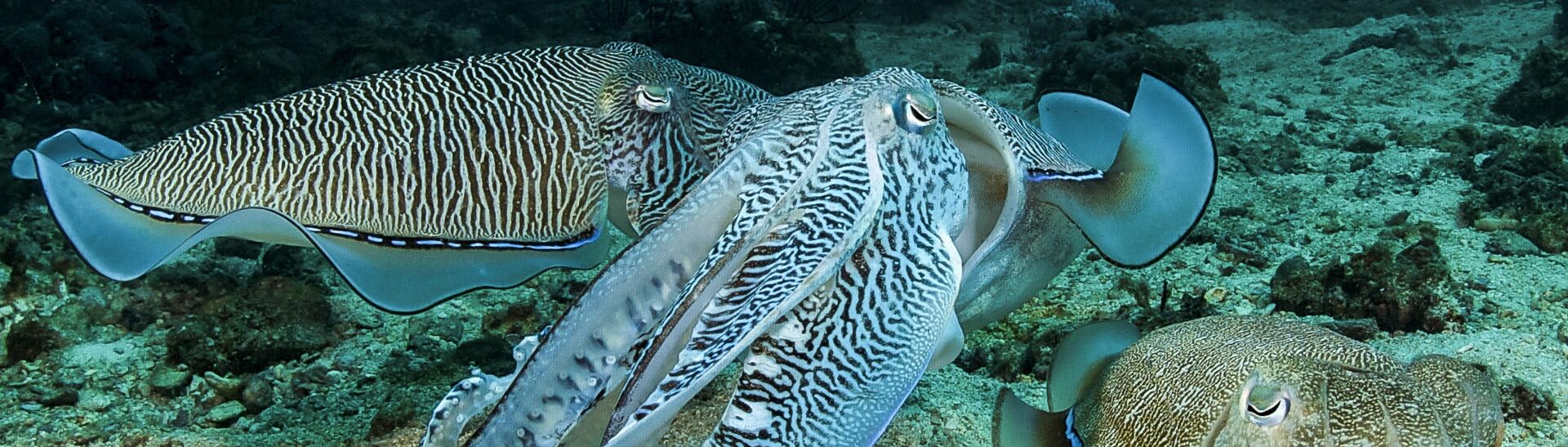
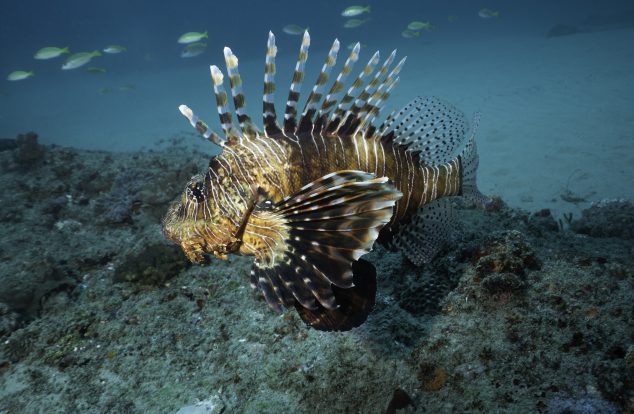
This week’s wildlife photos.
“Nature is not an optional “extra” in the fight against climate change: It is a living system that underpins our survival. Technological ingenuity and nature-based solutions must work in tandem if we are to succeed. And we must not forget that nature is also in crisis, and solving the climate crisis without simultaneously addressing the biodiversity crisis imperils all life on Earth.”
“Everything we’ve said about climate change has come true. Why is that not sufficient that it alarms people that they change behaviours? Because of the entrenched status quo.”