The major marine restoration effort prepares new native oyster reef for deployment in the Solent
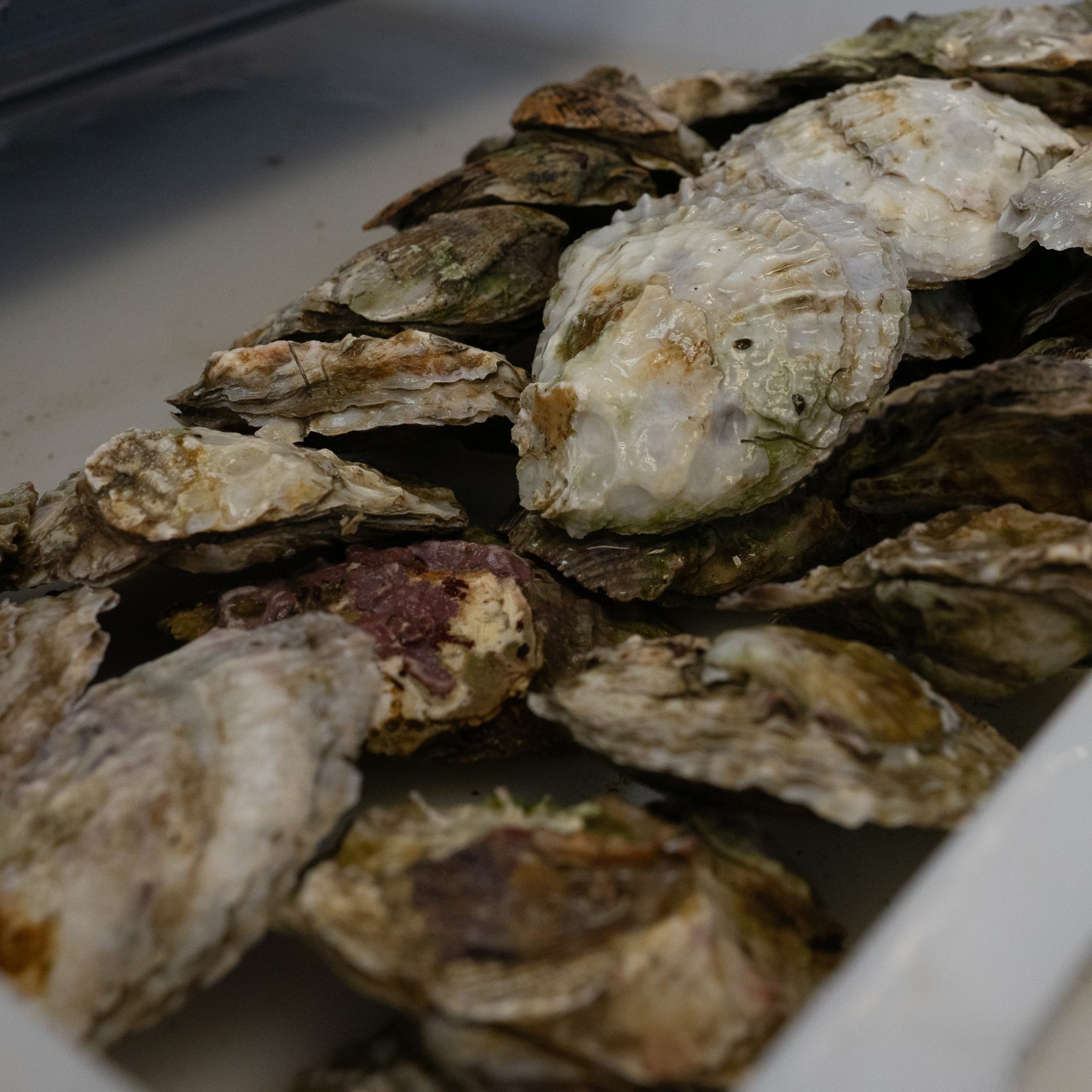
NEWS: 260 volunteers have been gathering in Portsmouth this week (11-15 May) to help prepare 20,000 native oysters for deployment onto a newly built reef in Chichester Harbour, as part of the UK’s largest subtidal oyster reef restoration project.
The large-scale effort forms part of the Solent Seascape Project, a major marine restoration initiative led by ocean conservation charity Blue Marine Foundation alongside Chichester Harbour Conservancy and the University of Portsmouth’s Institute of Marine Sciences. The project is supported by the seabed owner, the Manor of Bosham, as it restores some of the Solent’s most threatened coastal habitats.
Volunteers have been taking part in “biosecurity days” at the University of Portsmouth’s Institute of Marine Sciences, where the oysters have been cleaned and carefully checked before being placed onto the reef through the week. The project expects around 260 volunteers to take part in what is the largest turnout the initiative has seen so far.
The final deployment of oysters onto the reef is expected to take place in Chichester Harbour on Friday, 15 May, marking a major milestone in efforts to restore a species that has declined dramatically in UK waters.
For centuries, native oysters were part of everyday life across the Solent. Coastal communities relied on oyster beds for food, trade and employment, with evidence of oysters being harvested in the harbour dating back to Roman Britain. The restoration aims not only to recover a lost species, but to help reconnect the region with an important part of its maritime heritage.
Native oyster populations in the Solent have fallen by around 96% over the past century due to
overfishing, disease, invasive species and declining water quality. Despite this decline, oysters remain one of the marine environment’s most important “ecosystem engineers”. A single oyster can filter up to 200 litres of water a day, helping improve water quality, while oyster reefs also create habitats for hundreds of marine species and help protect coastlines from erosion.
Last month, project teams completed the placement of “cultch”, the shell and stone material that forms the base structure of the reef. The cleaned oysters will now be added to this new habitat to help establish a thriving native oyster population in the harbour.
Dr Luke Helmer, from the Solent Seascape Project, said:
“This is a hugely significant moment for marine restoration in the UK. Native oysters were once abundant across the Solent, but populations have collapsed over the last century. By restoring oyster reefs at this scale, we’re helping rebuild an ecosystem that supports biodiversity, improves water quality and benefits coastal communities.”
“What’s especially exciting is the scale of public support behind this effort. Having hundreds of volunteers directly involved in preparing oysters for deployment shows how strongly people want to be part of restoring our seas.”
Ashley Hatton from the Manor of Bosham said:
“The Manor of Bosham estate is delighted to support this environmental project, by providing the requested site in Chichester Harbour. We very much hope that the reintroduction of the native oyster species on this underwater reef will establish and thrive. Monitoring of the site, over the next five years, will determine the level of success.”
Volunteers taking part in the biosecurity days are helping to scrub and wash oysters to remove any invasive species or pathogens before deployment onto the reef. The process is designed to ensure the new reef is established as safely and successfully as possible.
The restoration work is being carried out through the Solent Seascape Project, the UK’s first large-scale seascape restoration initiative, bringing together multiple organisations to restore and reconnect habitats including seagrass meadows, saltmarsh, seabird nesting sites and oyster reefs across the Solent.
East Head Impact and the Endangered Landscapes & Seascapes Programme (ELSP), managed by the Cambridge Conservation Initiative and funded by Arcadia, support the Solent Seascape Project, with additional support for the reef provided by the Environment Agency.