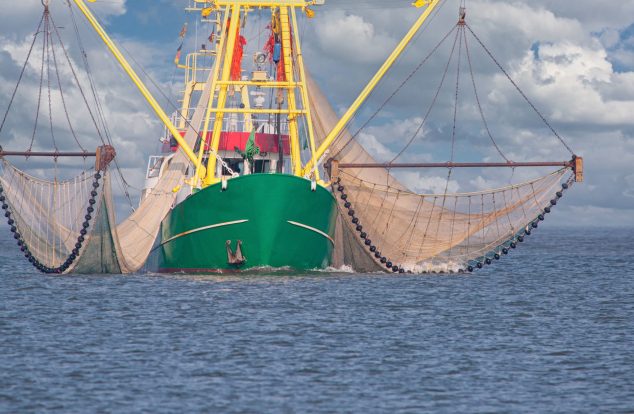

In a judgement made on 11 May 2026, the District Court of The Hague ruled that Dutch trawler fishermen are no longer allowed to fish on the Dogger Bank without a license. The judge reached the decision after finding that an exception made by the Netherlands to allow fishing in this Natura 2000 area in the North Sea was in violation of European regulations. On 1 June 2026, Dutch Minister for Agriculture, Fisheries, Food Security and Nature, Jaimie van Essen, announced that he would appeal the decision, and applied for a preliminary injunction, which would allow trawl fishing to continue without a permit.
Nature organisations Stichting Doggerland, ARK Rewilding Nederland and Blue Marine Foundation, which brought the case, are extremely disappointed that the government will not immediately start working on the permit requirement. There has been a legal obligation for 17 years that the area should not be allowed to deteriorate further, and trawler fishing is seen by science as the biggest threat to the marine life of the Dogger Bank. The groups call on the minister and the House of Representatives to implement their own laws and to impose a license requirement for fishing, which will finally protect the Dogger Bank.
Emilie Reuchlin, director of Doggerland said: “It is unimaginable that the government is going to invest valuable time and taxpayers’ money in resisting its own legal obligations to protect this important nursery. Instead, the minister should finally introduce the permit requirement, act in the interests of marine life, and start large-scale nature restoration. That is in the interest of society as a whole.”
Nursery of the North Sea
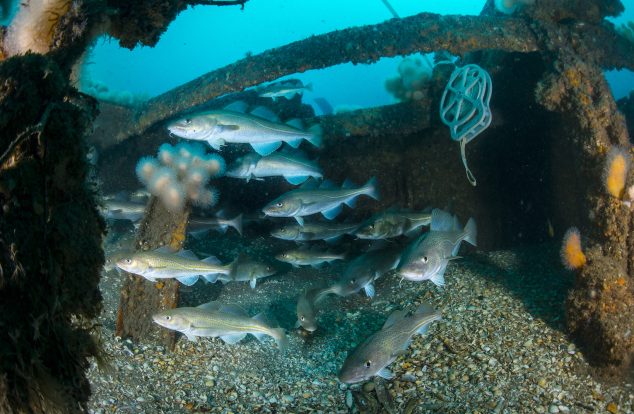
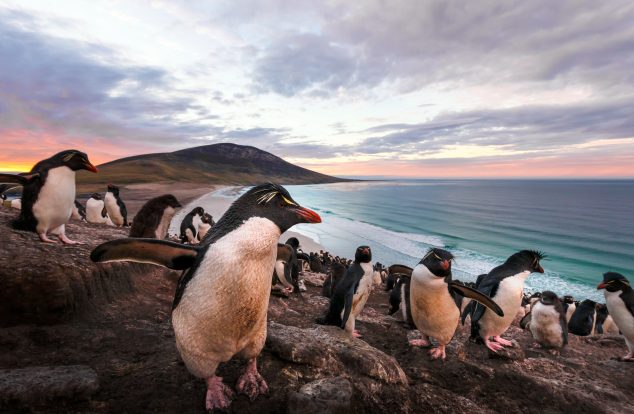
Despite the poor condition of the area, endangered and protected species still live in limited places on the Dogger Bank, which is an essential nature reserve. For example, on wrecks where marine life can hide, sharks still use the Dogger Bank as a nursery. The Dogger Bank is known as a spawning area for plaice, herring, whiting and cod, and a feeding area for porpoises, minke whales, grey seals, gannets, puffins, guillemots, razorbills and other protected seabirds.
Tom Appleby, Head of Governance and Legal Affairs at Blue Marine Foundation said: “The decision of the Dutch government is extremely disappointing. The United Kingdom is already compliant with the Habitats Directive and has put in place the necessary fisheries management measures for its part of the Dogger Bank. The Dutch Dogger Bank should have been protected more than ten years ago. The lack of measures has consequences for the environment in the entire North Sea.”
Nature restoration as a starting point
The North Sea is one of the busiest seas in the world. The accumulation of fishing, intensive shipping and energy production, pollution and climate change has led to the North Sea and marine protected areas being in a poor state. The Netherlands has committed to international targets that stipulate that at least 30 percent of the sea must be effectively protected by 2030.
Reuchlin said: “After twenty years of advocating for a ban on trawl fishing, the court’s ruling finally clarified what the harmfulness of this fishing technique means for a protected marine area. The court places the burden of proof where it belongs: with the government. After all, it is obliged to protect this nursery. It is therefore only logical that fishermen must first demonstrate that their activities do not cause damage if they want to fish with trawls in this area.”
Real protection for the entire area
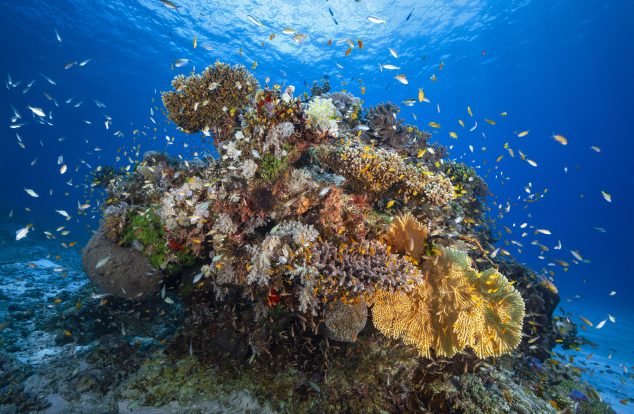
EU legislation requires that marine life in Natura 2000 areas must be able to recover. Britain closed its part of the Dogger Bank to trawl fishing four years ago on the basis of the same legislation. In Germany, too, legal proceedings are underway against the government to protect the German part of the Dogger Bank. In this way, step by step, real protection for the entire area is getting closer.