Science
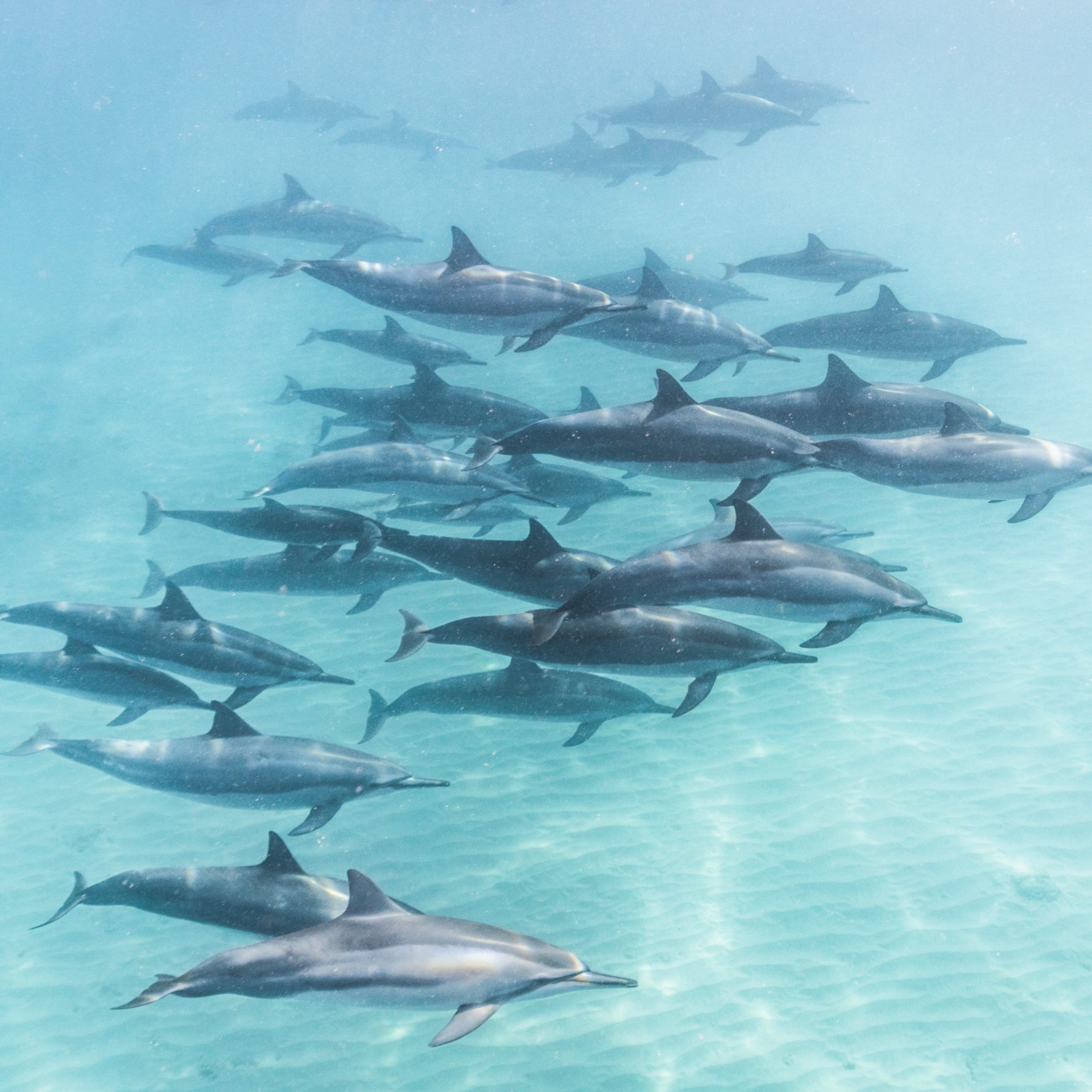
Researchers have documented a dolphin mother and calf off Australia’s east coast using empty shells to catch fish, suggesting the hunting technique may be passed from mothers to their young.
Scientists are investigating whether increasing the alkalinity of seawater could enhance the ocean’s ability to absorb atmospheric carbon, while emphasising that the potential impacts on marine ecosystems remain poorly understood.
Fisheries
The Antarctic krill fishery has reached its catch limit for the second consecutive year, well ahead of schedule, raising concerns about concentrated fishing pressure in an ecosystem already affected by climate change.
The Philippine Supreme Court has removed mandatory tracking of commercial fishing vessels, raising serious concerns that reduced oversight could make it harder to prevent illegal fishing and protect local fish stocks.
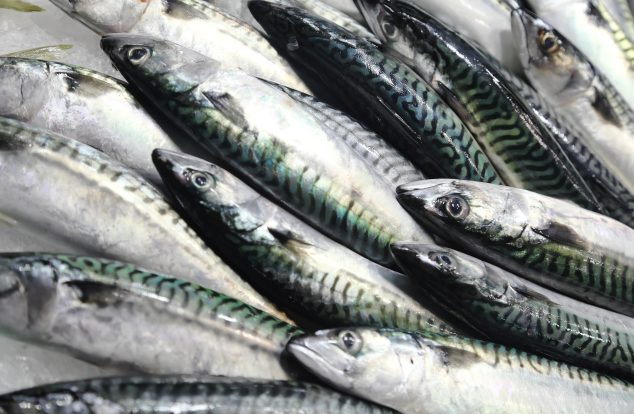
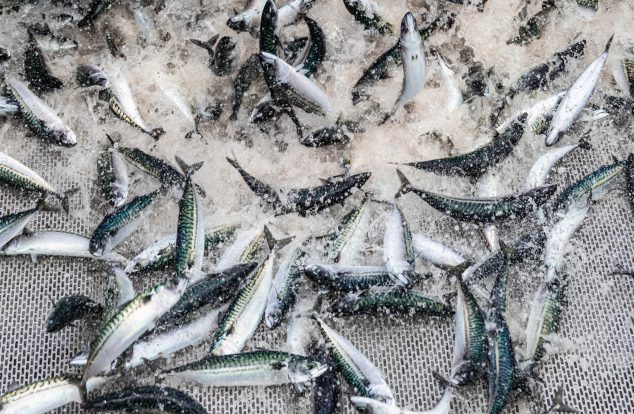
The UK’s Western Northeast Atlantic mackerel quota has been increased from 47,178 to 90,688 tonnes, following Defra’s latest determination on fishing opportunities.
UK Overseas Territories
The Falkland Islands has approved new projects supporting its two key economic sectors, with developments aimed at strengthening both the fishing industry and future offshore oil and gas activity.
The introduction of cats to Ascension Island in 1815 devastated its seabird colonies, but a conservation campaign between 2002 and 2004 successfully allowed several seabird species to gradually recolonise their former breeding grounds.
Marine Protection
Research into dolphin strandings in Cornwall has found that accidental capture in fishing gear was the largest recorded cause of death, accounting for 39 per cent of examined cases between 2018 and 2024. The impact of fishing gear was also highlighted off Oregon, where a young humpback whale was freed from significant amounts of fishing line, but severe jaw injuries left it unlikely to survive.
A new government initiative is gathering information on the South West’s rising octopus numbers to assess their effects on local fisheries and the wider marine environment.
Conservation
Wayuu fishing communities in Colombia are changing traditional practices to reduce shark catches, combining local knowledge, scientific research and tourism opportunities to protect shark populations.
The Shark Trust is urging fishers to improve the identification and recording of skates and rays to support more accurate data collection and better management of vulnerable species.
Warming seas and retreating ice are bringing fin, humpback and minke whales into East Greenland’s coastal waters, altering feeding patterns and creating new pressures for native Arctic species.
Climate Crisis
Human-driven warming substantially intensified July’s exceptional sea temperatures across European waters, increasing the extent of marine heatwaves and putting further pressure on marine ecosystems.
Pollution is putting the future of coracle fishing on the River Tywi at risk, with sharply reduced fish numbers leaving local fishers struggling to maintain a centuries-old Welsh tradition.
More than 75 per cent of the UK’s wetlands have been lost since 1700 and restoring these water-rich habitats could help reduce wildfire risk.
“Reform says we need to choose between climate and economy. It’s wrong.”
Misc
This week’s wildlife photos.
“Fisheries history tends to arrive in one of two registers. There is the stock assessment dressed up as narrative, heavy with tonnages and thin on people. And there is the elegy, in which an abundance existed, was destroyed, and is mourned.”
“Every endangered species needs a champion.”
“The question is, are we happy to suppose that our grandchildren may never be able to see an elephant except in a picture book?”
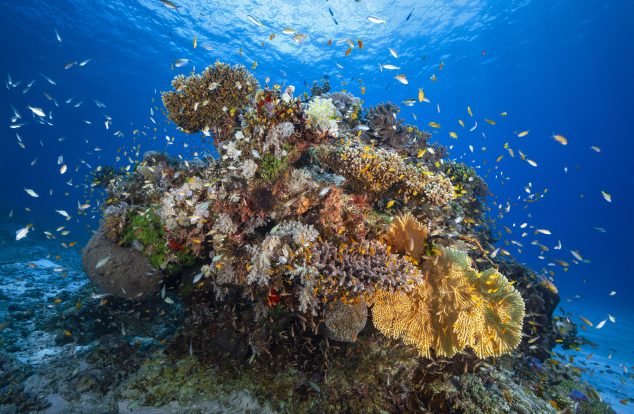
Photo credit: Toby Matthews / Ocean Image Bank