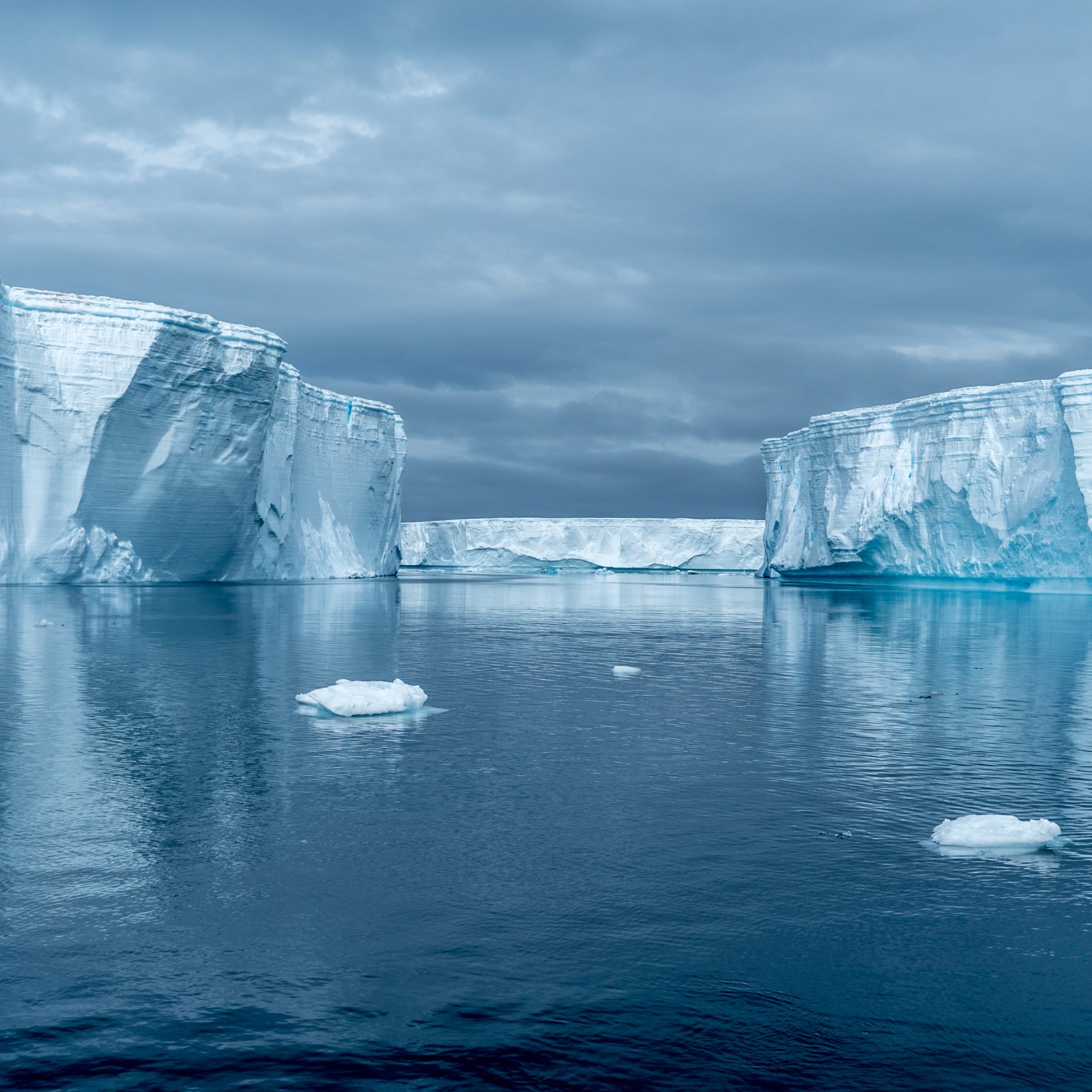

Every October, the 27 members of the Commission for the Conservation of Antarctic Marine Living Resources (CCAMLR) meet in Hobart, Tasmania, to decide the fate of the Southern Ocean around Antarctica. For almost a decade, they have gone home without protecting any more of it.
CCAMLR decides by consensus, so every single member needs to agree every decision made. Marine protected area proposals to protect almost 4 million square kilometers have been blocked year after year, chiefly by Russia and China. No new marine protected areas in Antarctica have been designated since the Ross Sea in 2017. But there is a critical, global difference this year.
Beijing is bidding to host the secretariat of the new High Seas Treaty, the first global agreement to govern the two-thirds of the ocean beyond national borders. It has also, for the first time, tabled its own marine protected area proposal at CCAMLR. China’s actions in Hobart will show whether its ocean governance ambition is sincere.
The High Seas Treaty entered into force in January, a moment Foreign Minister Wang Yi hailed as a victory for multilateralism. In January 2027, its parties will choose where to base its secretariat: Xiamen, Valparaíso or Brussels. China’s offer is the most generous. According to Dialogue Earth, free premises and five years of utilities would save the secretariat at least $70 million. As China’s envoy told China Daily, Xiamen would become the first global United Nations institution headquartered in Asia.
Governments weighing Xiamen will ask whether its host shares the treaty’s purpose, which includes creating protected areas on the high seas. China’s official case for Xiamen says it supports marine protected areas “based on law and science.” How China engages in CCAMLR this year will therefore be closely scrutinised.
China’s proposal in the Cosmonauts Sea, first reported by South Africa’s Daily Maverick, would cover 127,000 square kilometers of East Antarctica, protecting feeding grounds for penguins, whales and seabirds. However, the draft offers only “seasonal protection,” keeping krill fishing open for part of each year where no fishery currently exists. It would expire after 20 years. A companion proposal would rewrite CCAMLR’s rulebook, weakening protections and raising the burden of evidence for new ones. Adopted as drafted, the two Chinese proposals would lower the bar for marine protection in the Southern Ocean and set a concerning precedent for the secretariat China hopes to host.
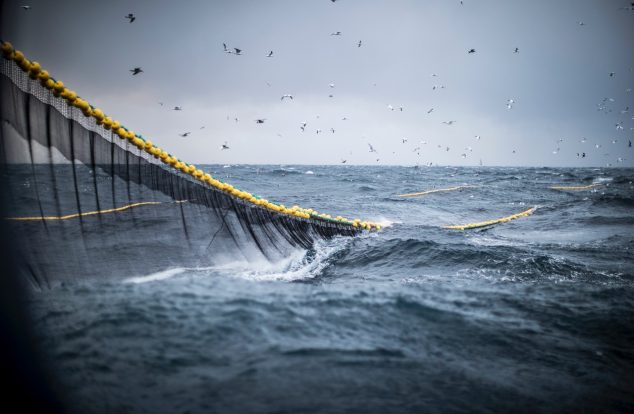
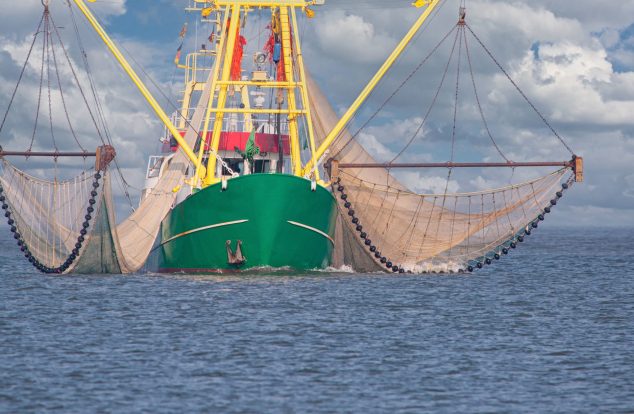
According to Planet Tracker’s report, Fishful Thinking, China also operates the world’s largest distant-water fishing fleet: officially 2,551 vessels; by some independent estimates, more than 16,000. Subsidies of roughly $1.75 billion a year sustain it, and new Antarctic krill vessels qualify for up to $21 million each. China’s krill fleet already has twice the carrying capacity of Norway’s, the largest krill-fishing nation by catch.
So Beijing faces a clear choice: enable marine protection, or keep blocking it while pressing for more krill. CCAMLR’s talks are confidential, but the world is likely to learn what happens in the room. Chile and Belgium, behind the two rival BBNJ secretariat bids, both have seats at the table.
A deal China helps deliver in Hobart would be reported worldwide as a breakthrough, and as proof that multilateralism still works. Governments voting in January would then weigh not just Xiamen’s lucrative hosting offer, but concrete evidence of Chinese leadership to protect the high seas. Hosting a United Nations institution isn’t simply about winning, it carries a responsibility to act well in the interests of the world. For a brief window, China has the chance to be remembered as the country that brought Antarctic marine protection back to life. Whether it takes it will show what kind of ocean power it intends to be.