
This week, the International Council for the Exploration of the Sea (ICES), the independent scientific body that advises governments on the health of fish populations, published its latest assessments of UK fish stocks. The findings paint an increasingly alarming picture.
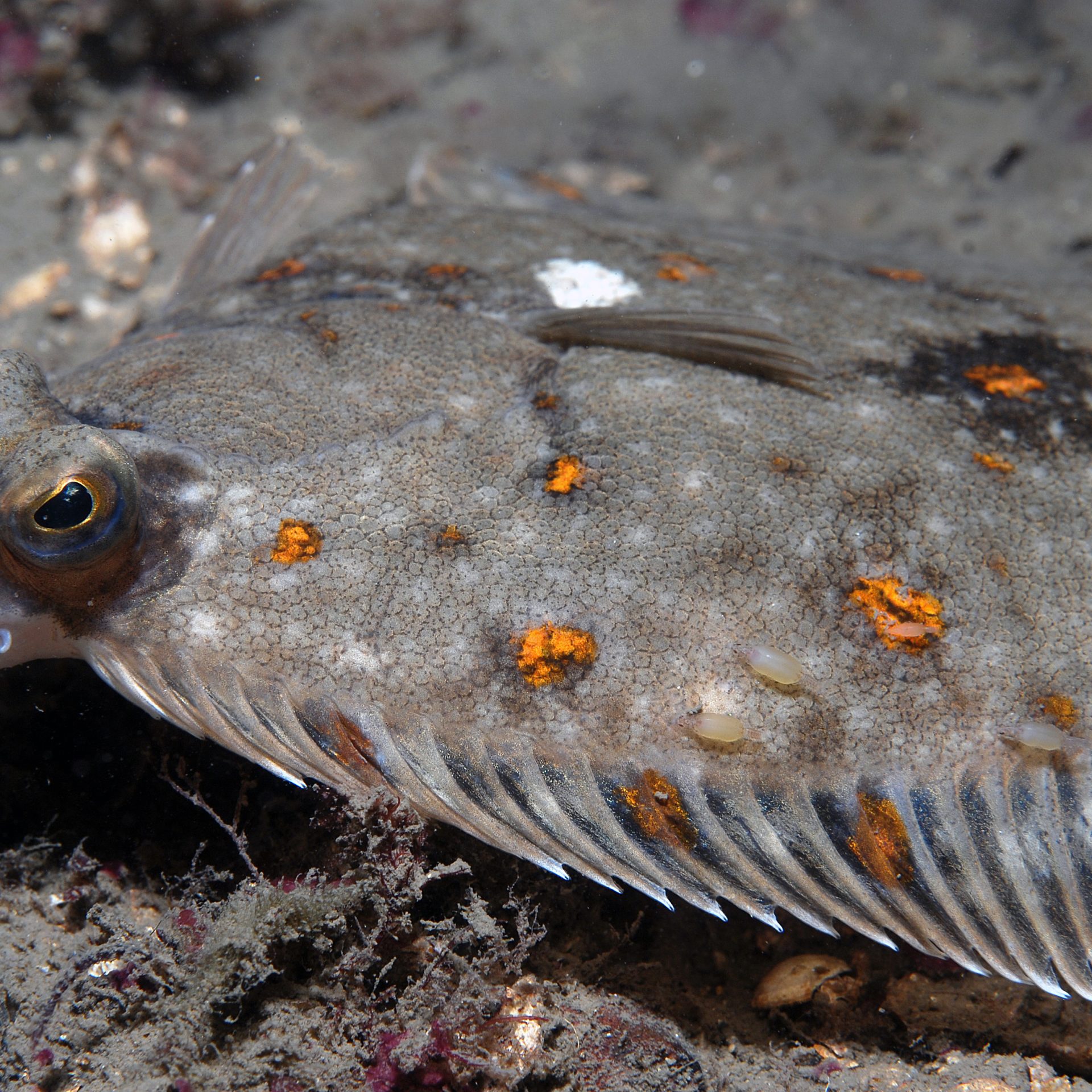
For the first time, ICES has issued zero-catch advice for Irish Sea plaice. Plaice now joins cod and whiting, which have already received zero-catch advice in the Irish Sea following severe declines. ICES only recommends a zero-catch when a stock has reached a critical state and requires urgent action to recover. Decades of overfishing have been the primary driver of these declines.
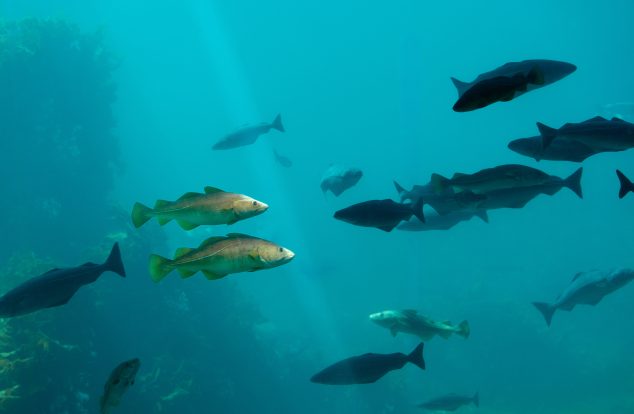
The situation in the Celtic Sea is equally concerning. Cod, whiting, herring and haddock have all received zero-catch advice, highlighting the scale of the crisis facing fish populations around the UK. These stocks join a growing list of depleted fish stocks that are struggling as a result of unsustainable exploitation. Yet this year, 58 per cent of catch limits were still set above scientific advice. Continued overfishing is driving the decline of fish populations, damaging marine ecosystems, threatening coastal livelihoods and undermining the long-term future of the fishing industry itself.
“It is indefensible that we are still repeating the same mistakes despite decades of warnings from scientists. Time and again, ministers have prioritised short-term political trade-offs over scientific evidence, pushing fish populations closer to collapse. This is precisely why it is vital that the Government changes course and follows scientific advice when setting fishing limits. Rebuilding fish populations is not only essential for marine ecosystems, but also for securing the future of fishing communities and the seafood industry.” Jonny Hughes, Fisheries Policy Lead