Project

British Isles

Solent Seascape Project: restoration over sea, coast and land

Led by Blue Marine, this initiative to recover a dynamic network of coastal habitats is the first of its kind in the UK.

Restoration

Blue Economics

Blue Climate

The challenge

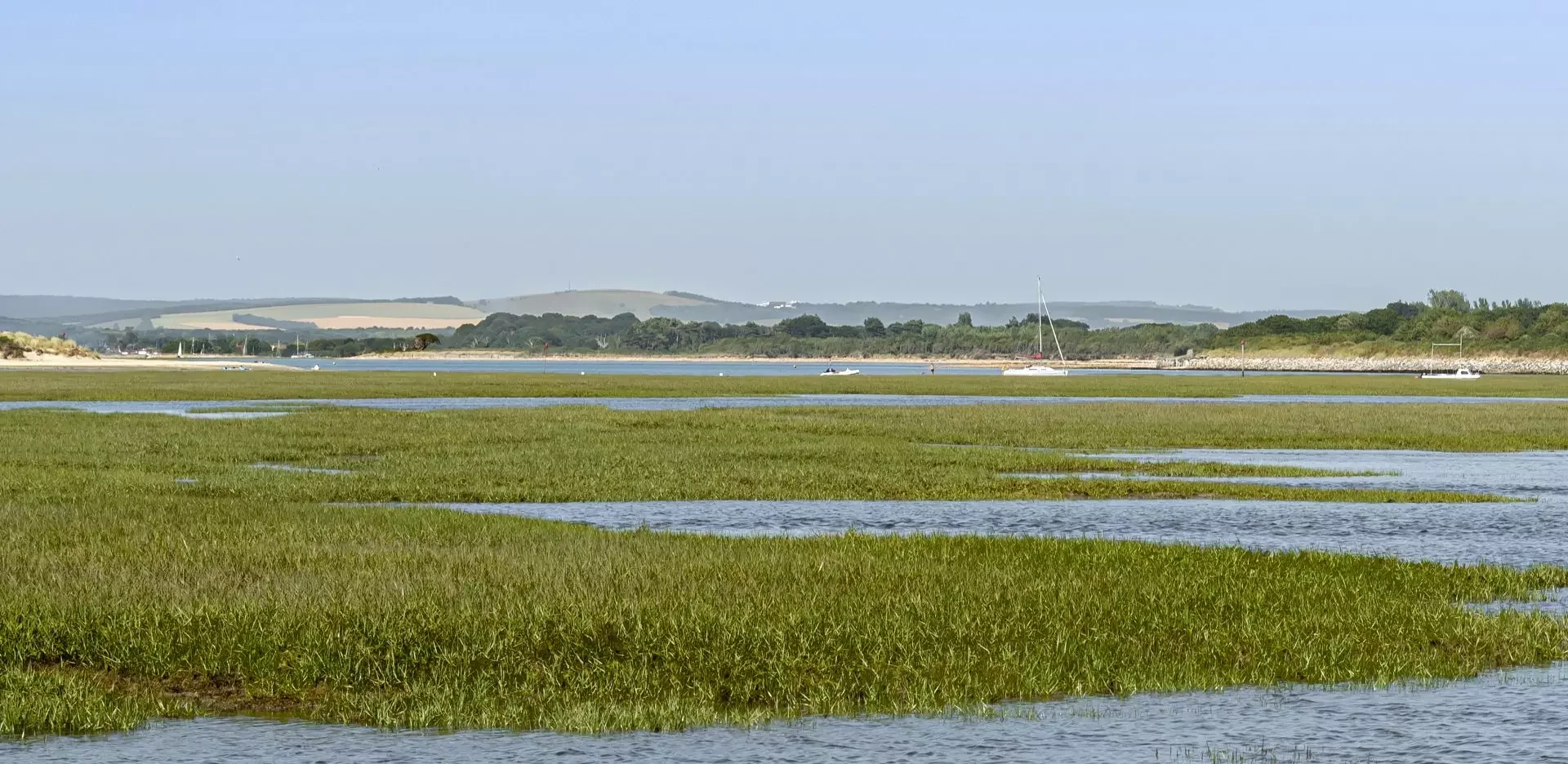
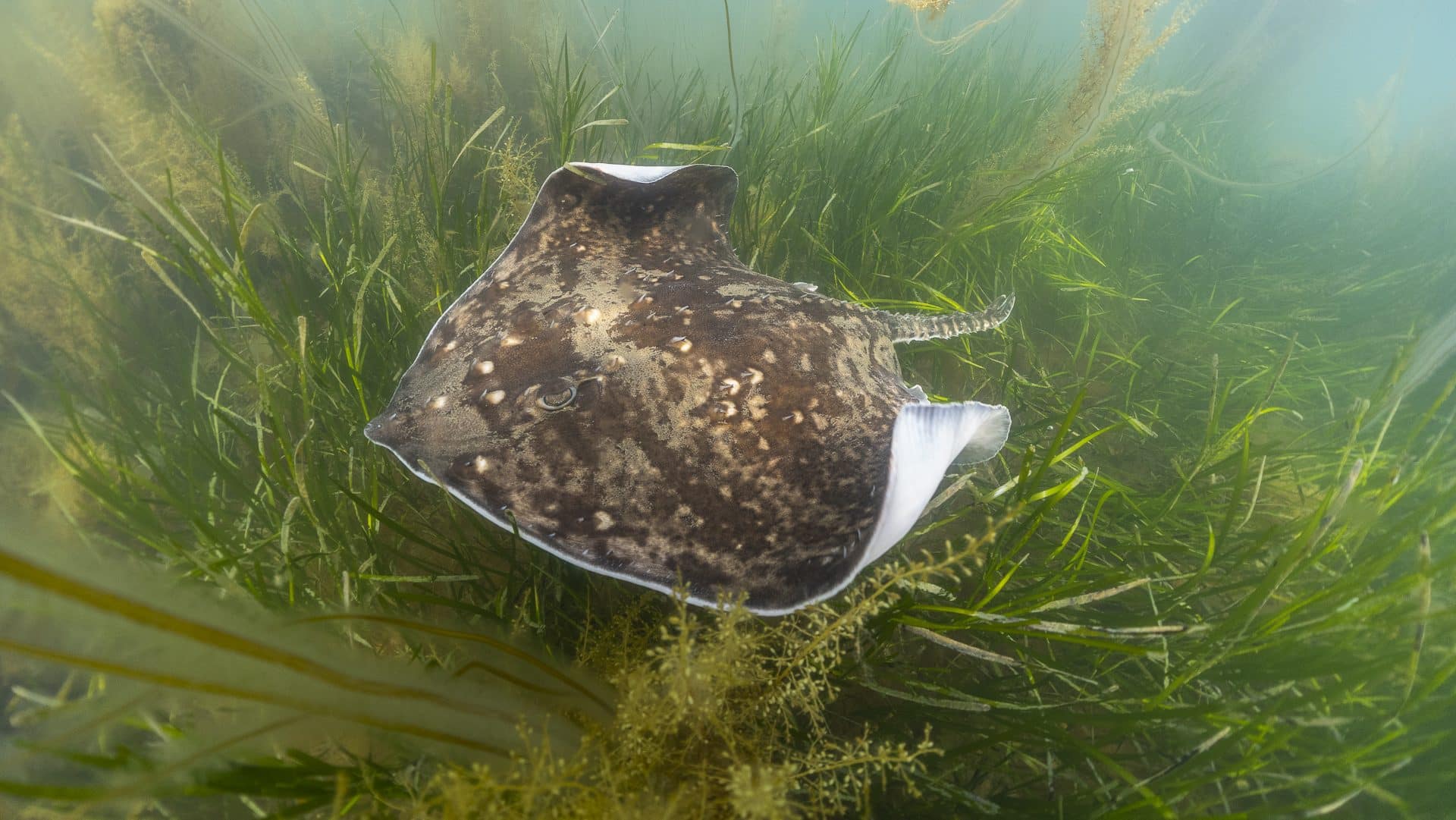
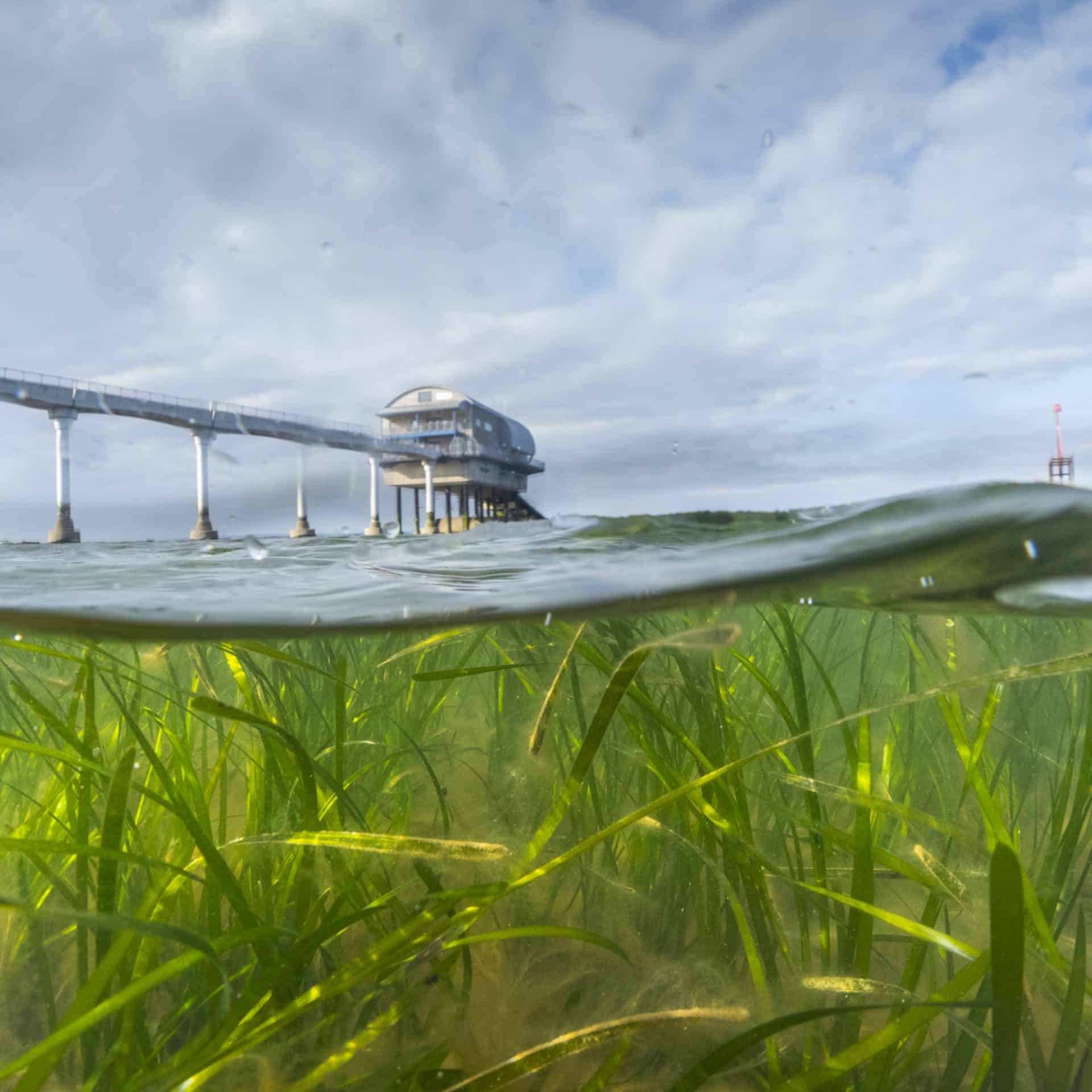
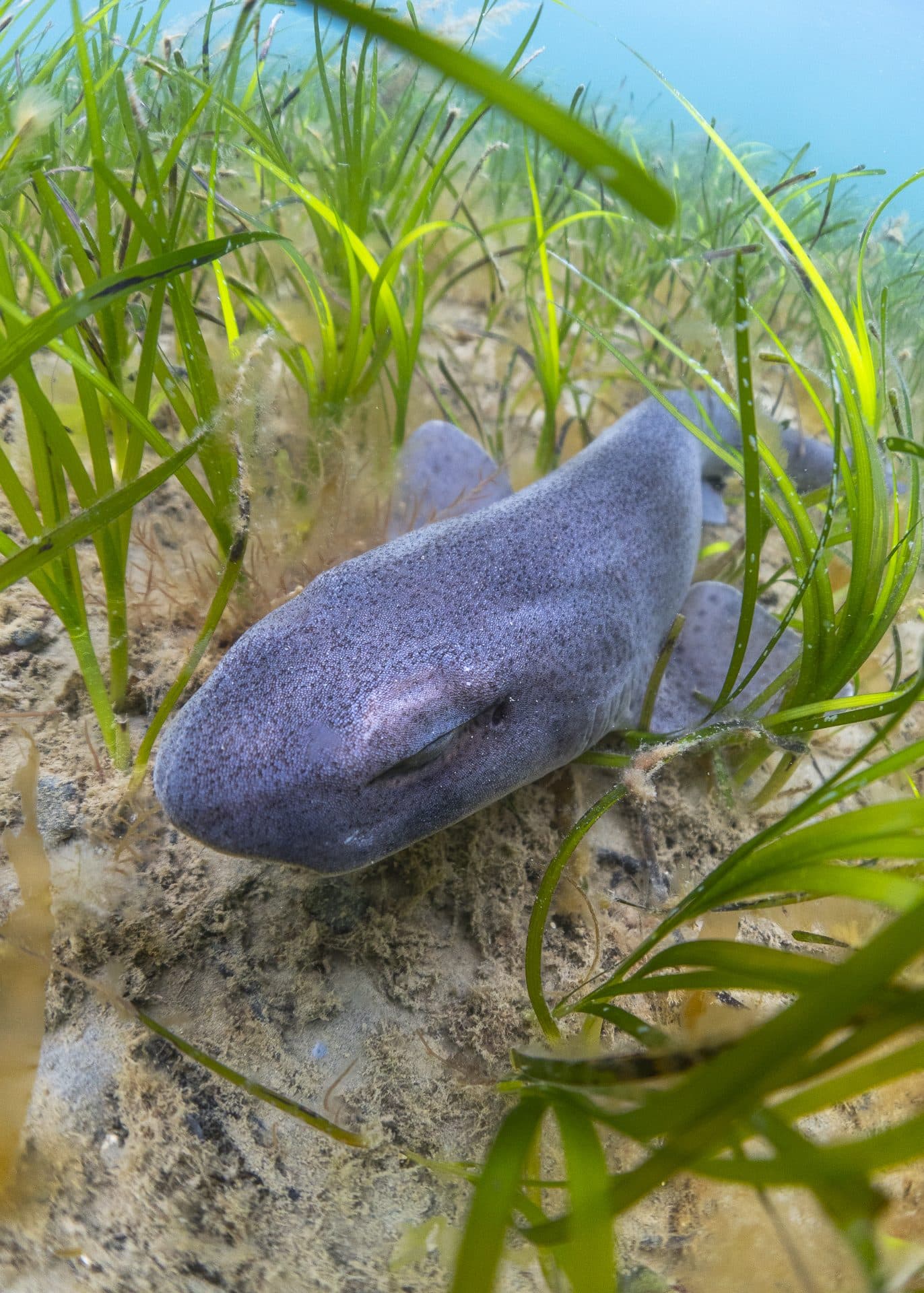
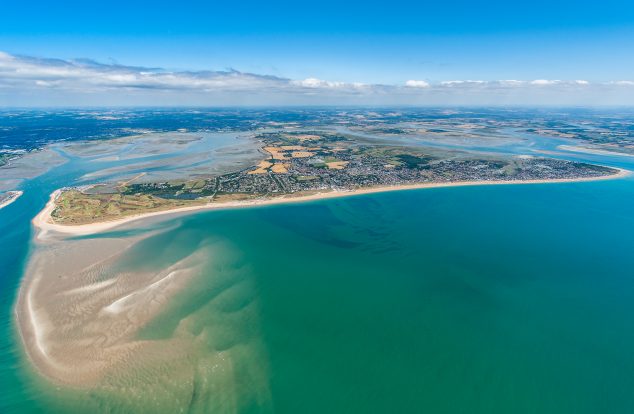
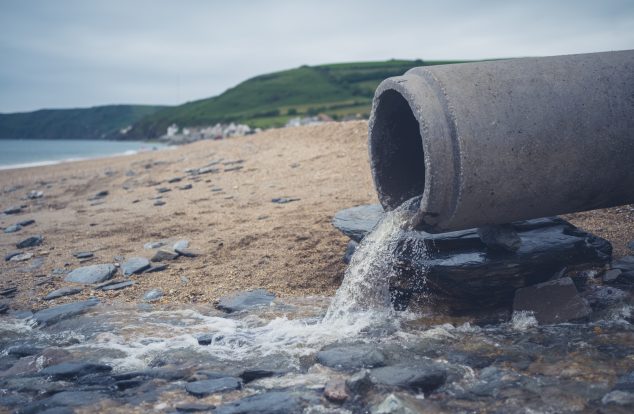
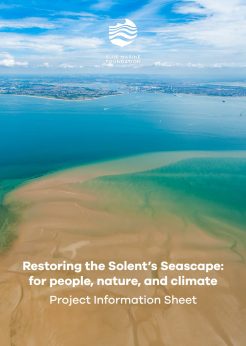
The Solent is one of the most heavily used waterways in Europe, and its complex network of harbours, islands, estuaries and sandbanks is a haven for an astounding array of wildlife across a diverse range of habitats. But these face severe threats such as overuse, erosion, poor water quality and rising sea levels. Many habitats and the species they support have either been lost or are in decline.

Our strategy

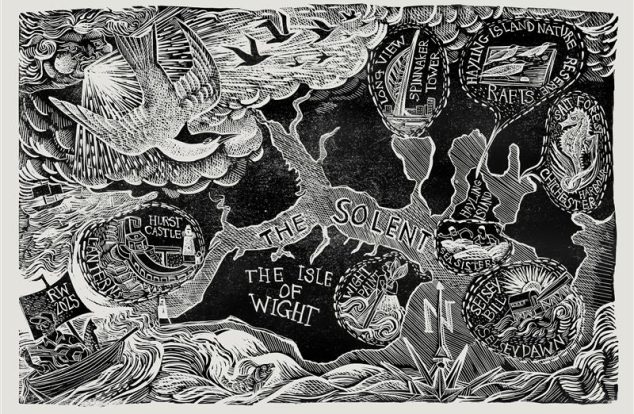
Covering more than 52,000 hectares, the Solent Seascape Project aims to protect and restore the region, transforming it from a degraded state into a naturally expanding, connected and productive ecosystem. Blue Marine and partners are working to re-create a network of interconnected marine and coastal habitats rich in wildlife, in what is known as a seascape-scale approach.

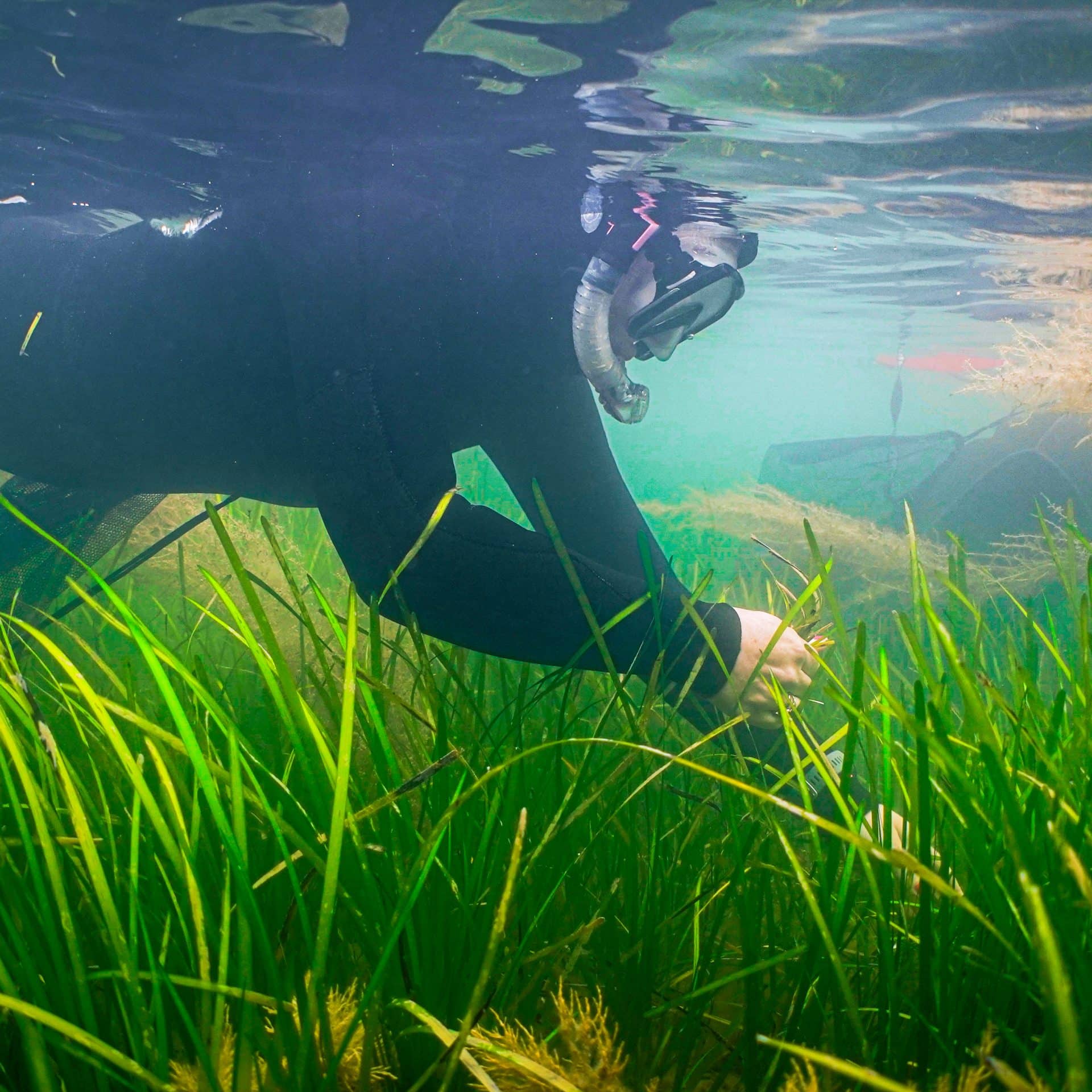
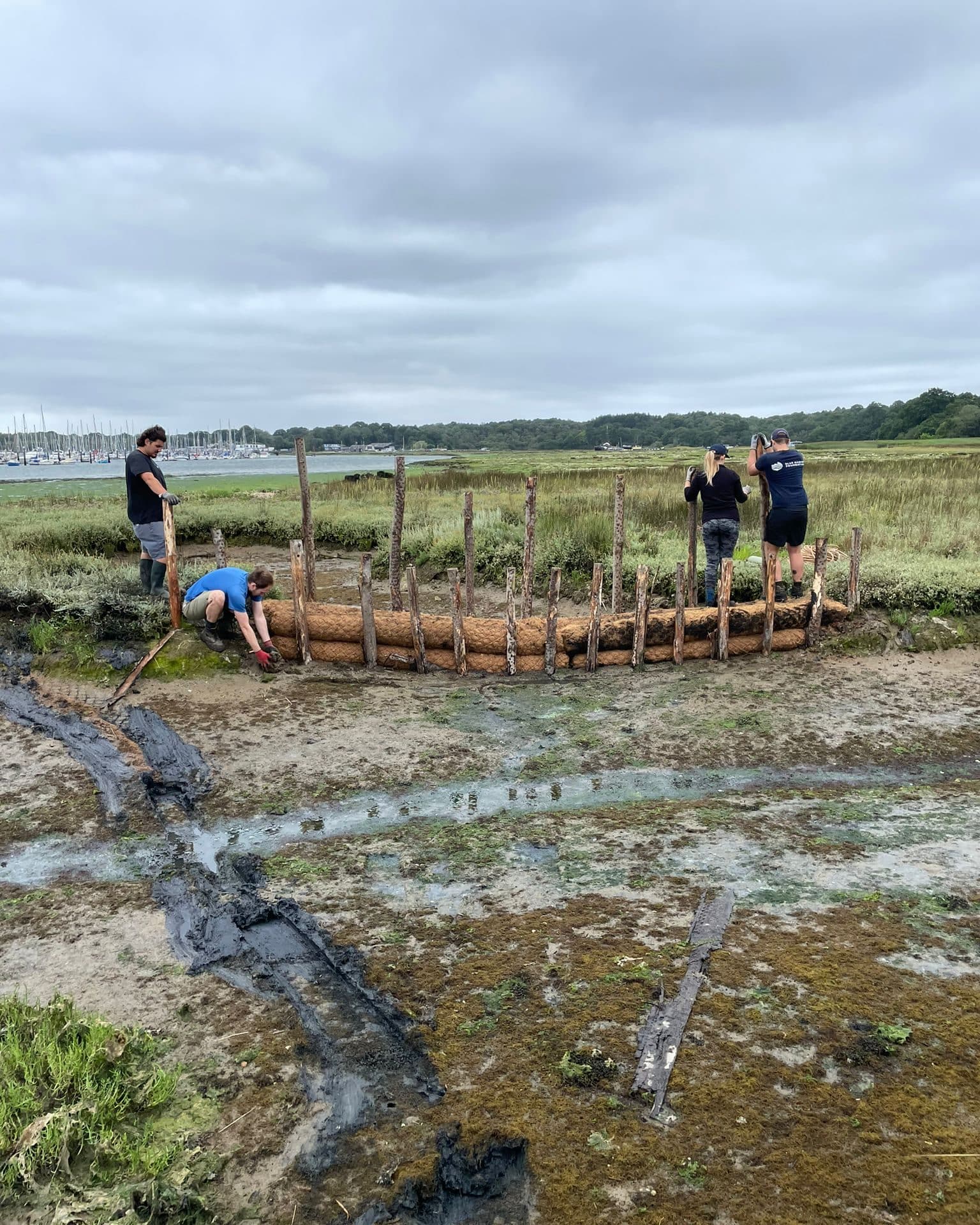
We are restoring seagrass, oyster reefs, saltmarsh and seabird nesting habitats to improve ecological connectivity. Collaborating with local communities, we aim to foster a deeper understanding of natural processes, encourage behavioral change, and involvement in the recovery of their seascape.

We are also working with landowners, industry and regulatory bodies to improve the protection and management of the Solent’s existing habitats through an ambitious Seascape Recovery Plan.

Our impact

  • Restoration work across four key Solent habitats – saltmarsh, seagrass meadows, native oyster reefs and seabird nesting sites.
  • Endorsed by the United Nations as an Ocean Decade Action.
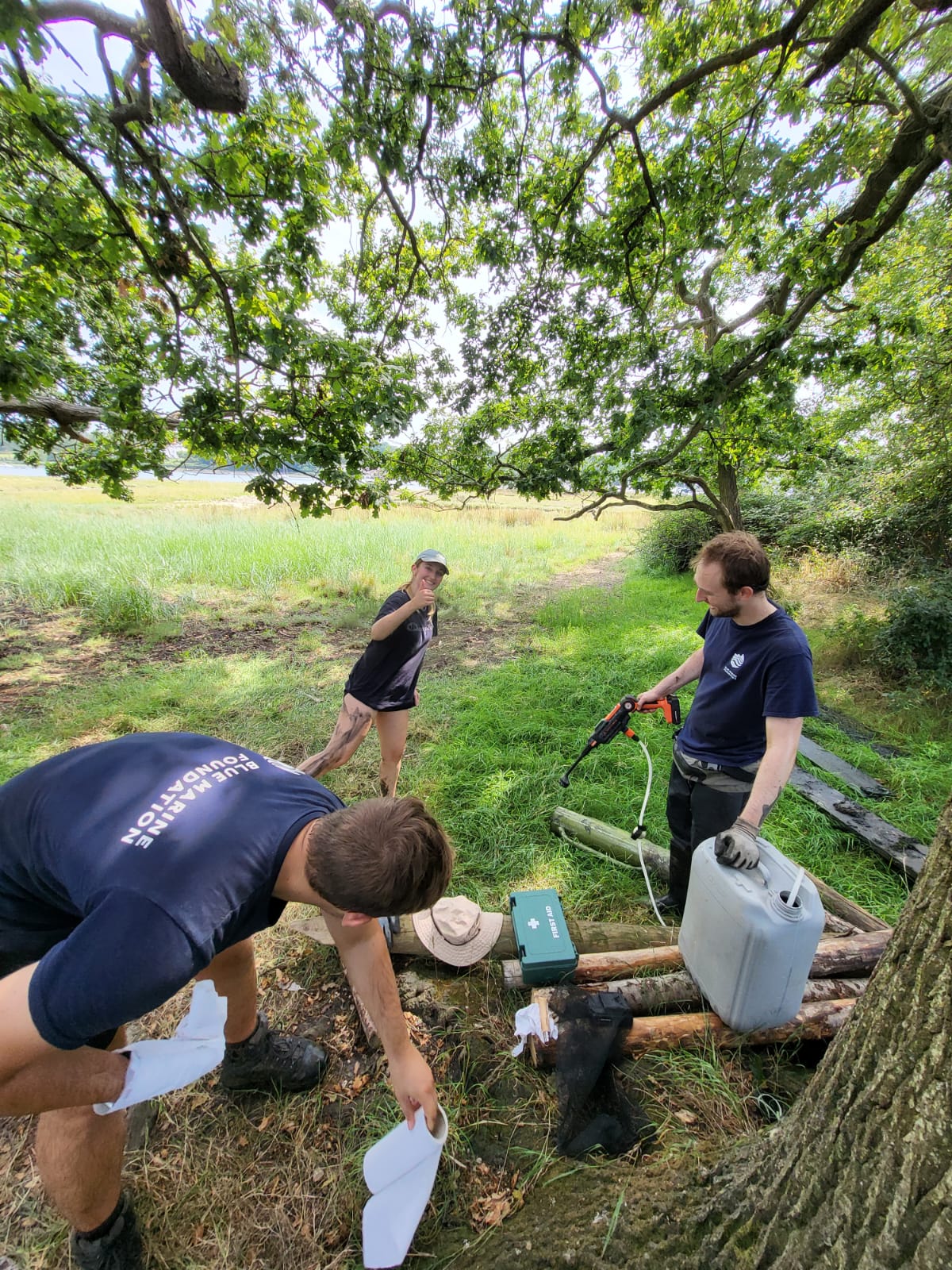
  • Working with the community, through volunteering and the creation of a Seascape Recovery Plan
  • Four films released showcasing the work we are undertaking.
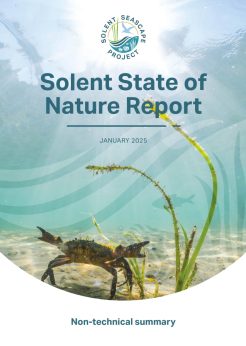
  • State of Nature Reports highlighting the need for urgent habitat restoration action.
  • Developing financial mechanisms to fund seascape restoration in the longer term by working with government and regulators.

Work in the field

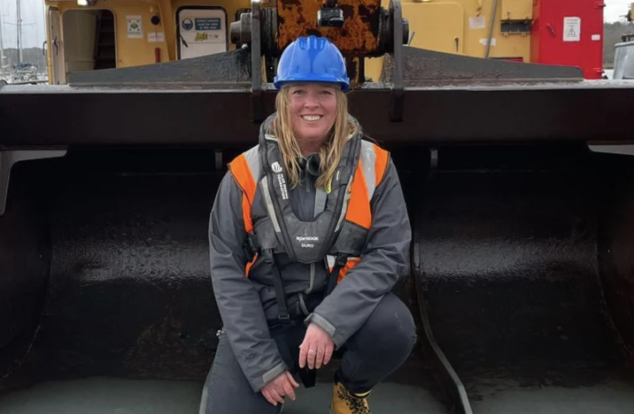
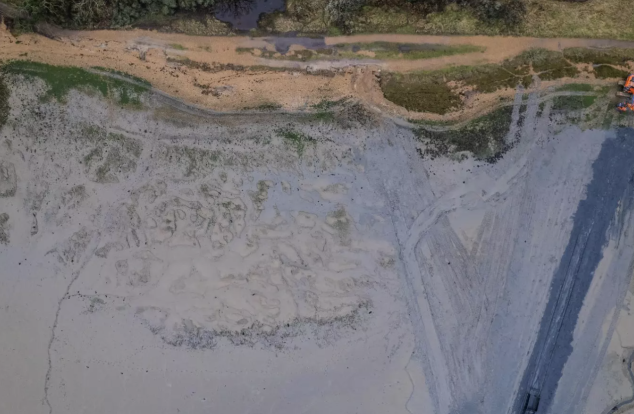
The end of 2025 saw more than 120,000 seagrass seeds planted at sites across the Solent, resulting in the first seagrass growth in the Hamble river in nearly a century. Restoration has created an area of new saltmarsh habitat larger than a football pitch.  

Native oyster populations are being re-established through the deposition of cultch material and the placement of more than 20,000 native oysters in the Hamble; tens of thousands more will be added in 2026. 

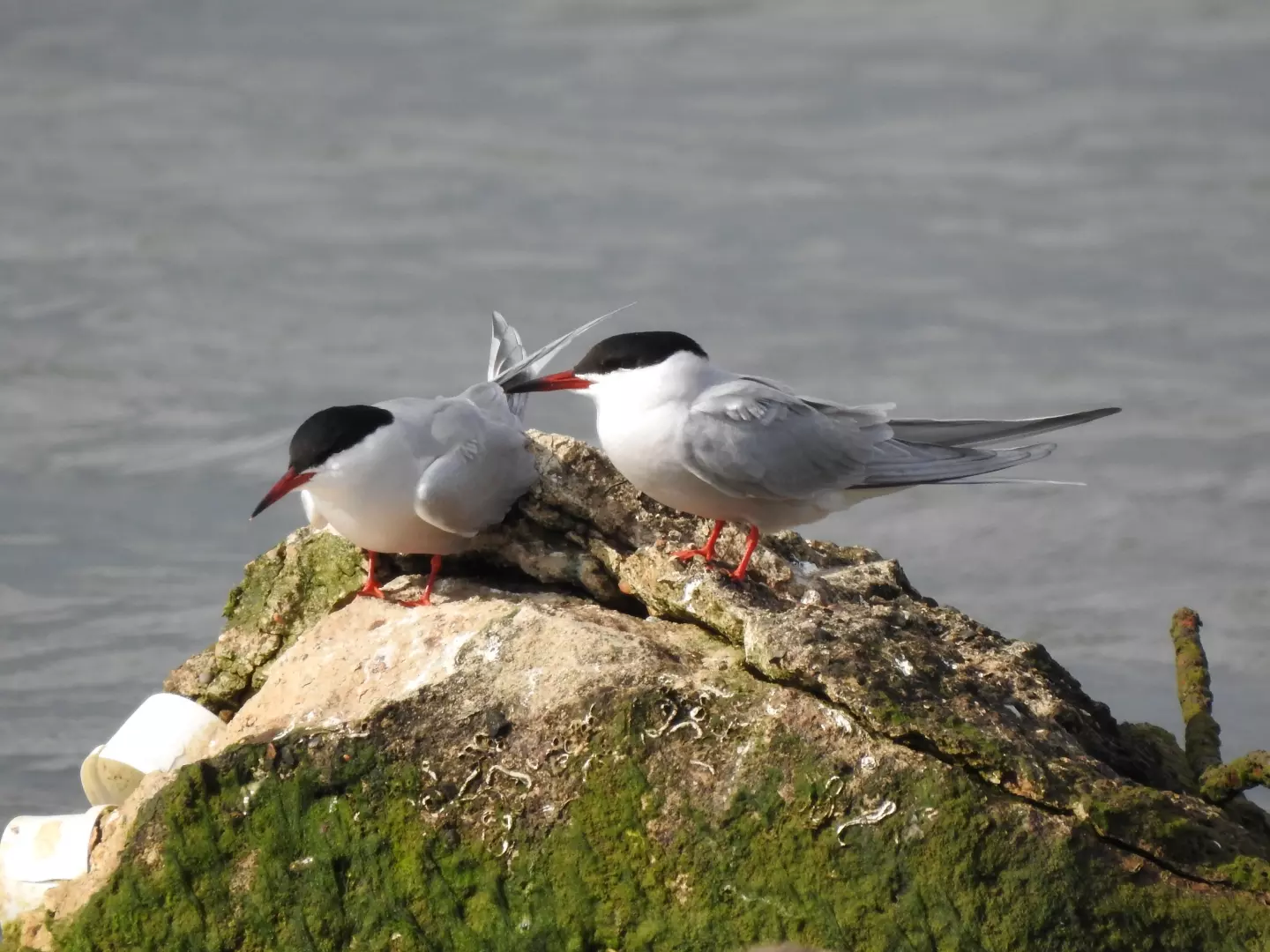
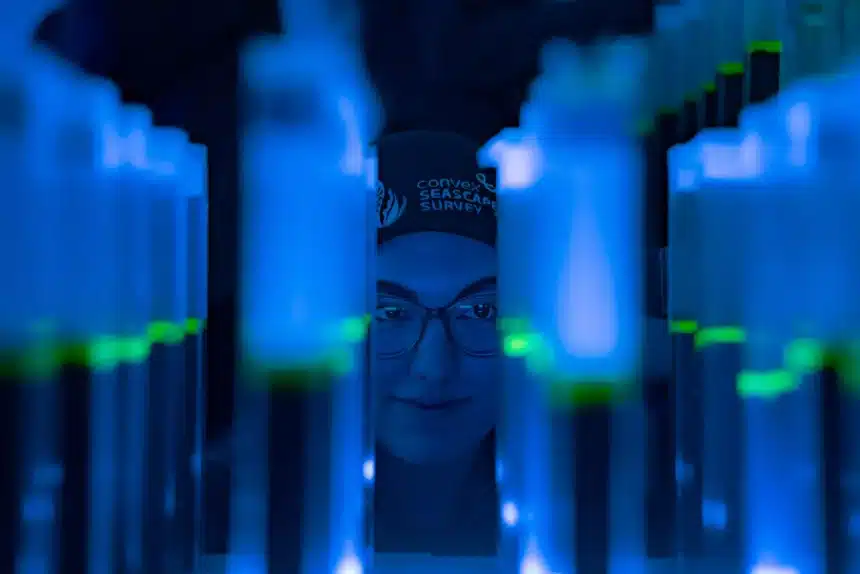
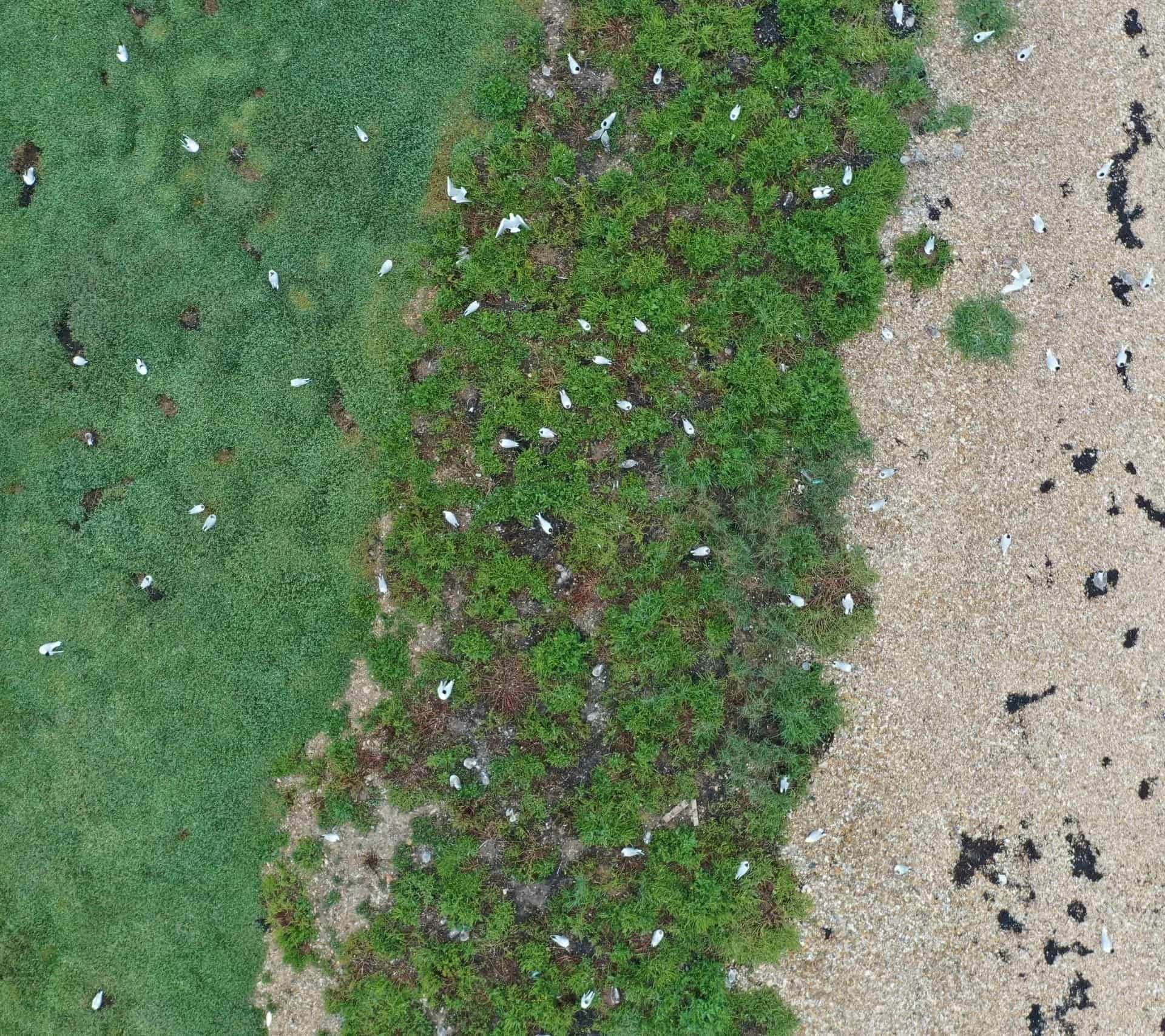
Major habitat creation works have been completed at Sidlesham Ferry Wetlands to support breeding seabirds and waders. Monitoring of seabird colonies across the Solent recorded an increase in the number of sites being used. The project’s monitoring programme continues to generate scientific evidence of the benefits of restoration, with seven academic papers published in 2025.  

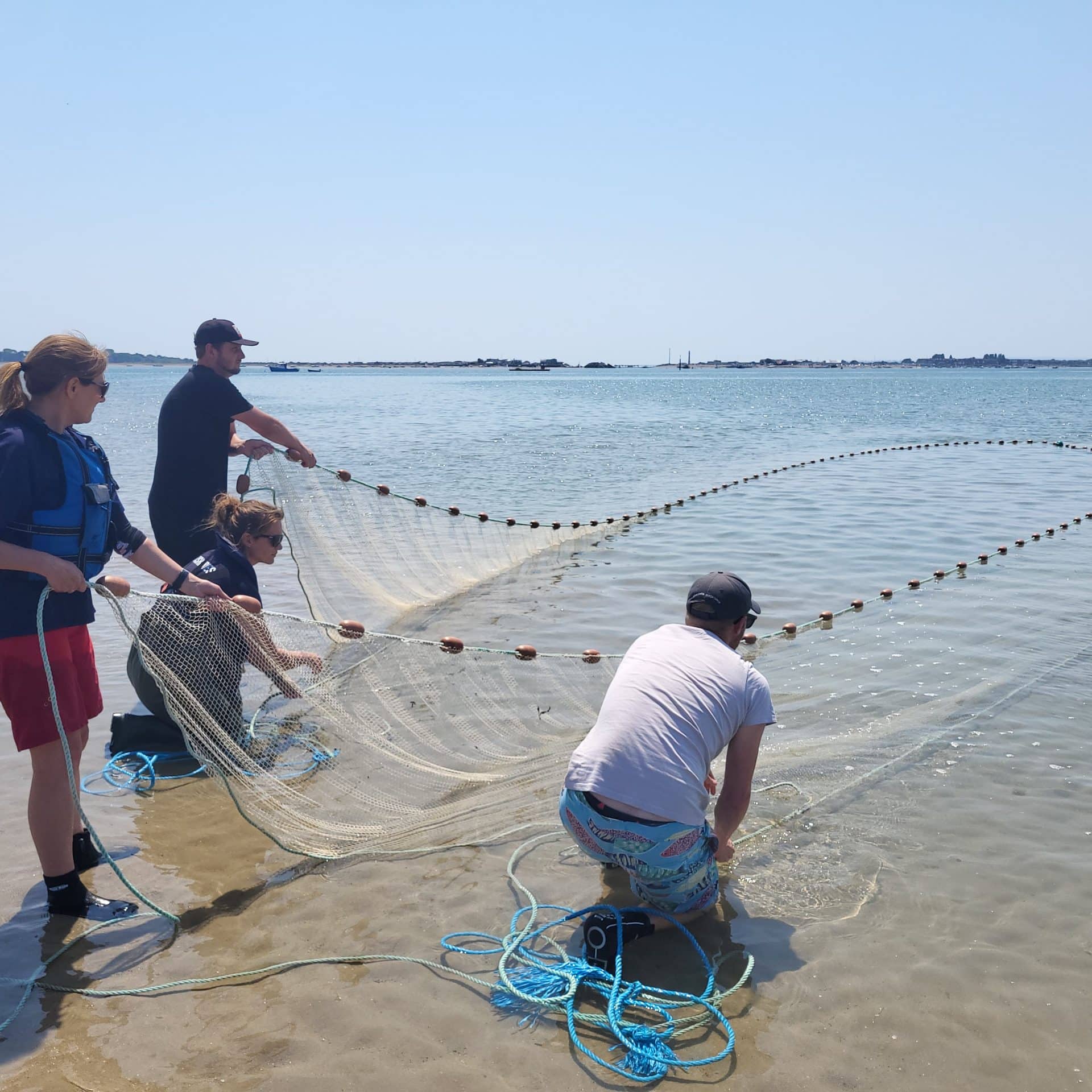
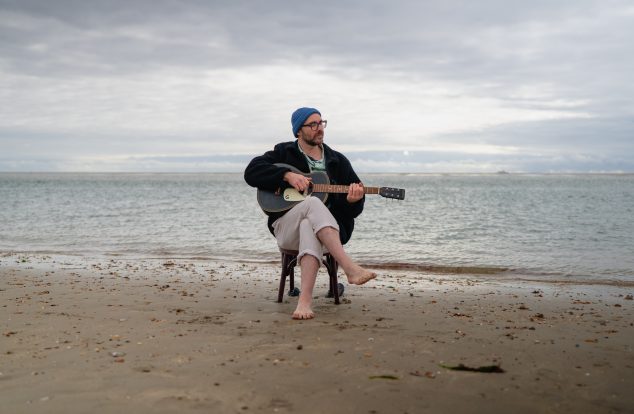
The local community contributed more than 700 volunteer hours to seagrass seed collection alone, resulting in 180,000 stored seeds – three times the 2024 figure. Meanwhile the project’s artist-in-residence, Grammy-nominated singer-songwriter Richard Walters, has produced a collection of original songs with local musicians, each capturing a different element of the seascape. 

Our short film about 104-year-old Bill Smith, designed to highlight the importance of the Solent to its residents, won the ‘Most Inspiring Film’ award at the 2025 Big Blue Festival.
Stay connected

We respect your privacy. By subscribing to our email list, you agree to our Terms & Conditions.

This field is for validation purposes and should be left unchanged.

Stay connected

We respect your privacy. By subscribing to our email list, you agree to our Terms & Conditions.

This field is for validation purposes and should be left unchanged.