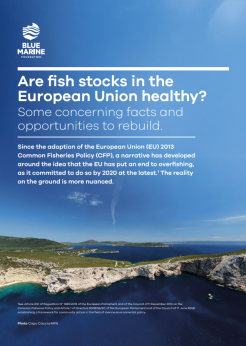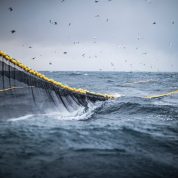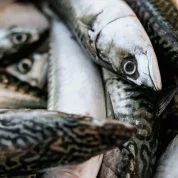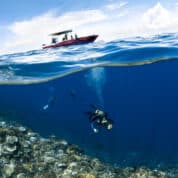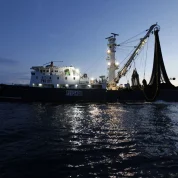
It is often in capital cities far from the sea that the decisions are made which determine whether our oceans will be restored and protected — or remain degraded and overexploited. It is therefore just as vital that we advocate for healthy oceans in the corridors of power as at the water’s edge.
By engaging with politicians, civil servants, and other NGOs, Blue Policy works to end overfishing, introduce genuine protection in marine protected areas (MPAs), and lead Blue Marine’s efforts to improve global ocean management.
In 2025, against a political backdrop of global and national retrenchment on conservation objectives, Blue Policy – in collaboration with others – achieved some positive steps forward. Most notable were the ending of industrial sand-eel fishing in UK waters, and the proposal to remove bottom-trawling from all of England’s offshore demersal MPAs. We still await the final decision but are cautiously optimistic.
The unit engaged with the breadth of UK policy-makers, from meetings with the Secretary of State around MPAs to briefing the Prime Minister’s advisers ahead of World Ocean Day. We contributed to ‘The Four Horsemen of the UK Fisheries Apocalypse’, a report that highlights four key failings of the UK government in protecting its marine environment. With a focus on failing marine protection, overfishing, inequitable quotas and harmful subsidies, the report shows where policy is inadequate to protect our seas, and how it can be reformed.
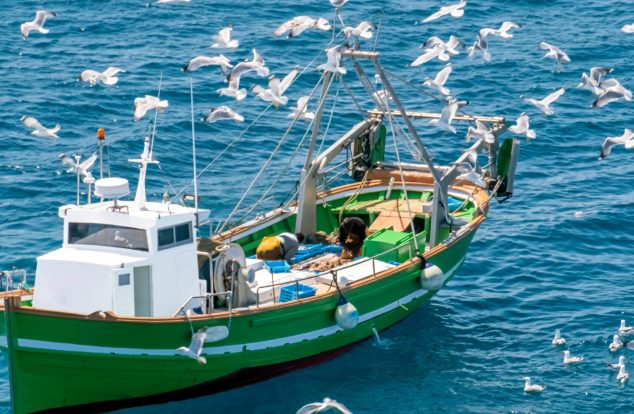
We took the report to the Labour Party conference to complement ‘Hook, Line and Subsidy’, our first ever panel at a political conference. The event highlighted two of the main issues from the report affecting small-scale fishers: overfishing and the inequitable quota system.
Elsewhere we continue to work with Regional Fisheries Management Organisations (RFMOs) – the bodies responsible for managing fishing on the high seas – and have achieved renewed bans on fishing for basking sharks, porbeagle sharks, deep-sea rays, and chimaeras. We continue to lobby hard for reductions in fishing quotas to end overfishing.