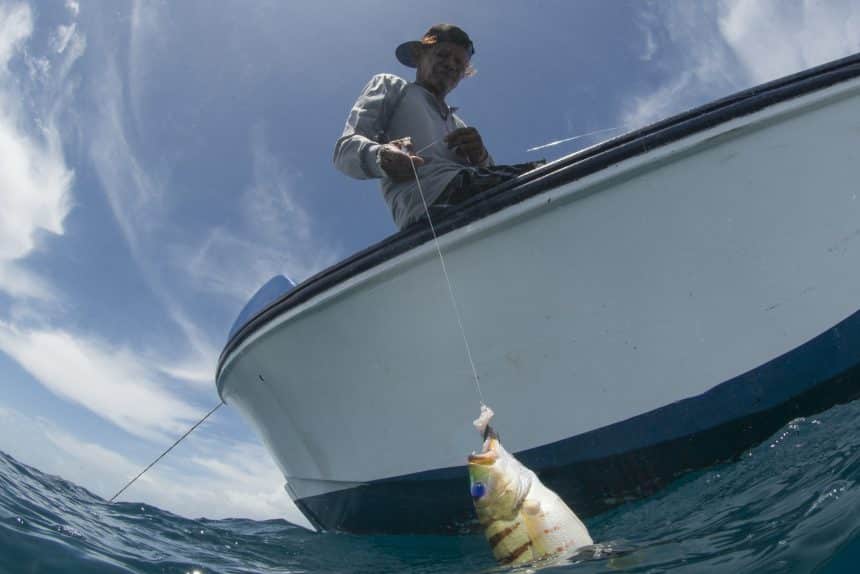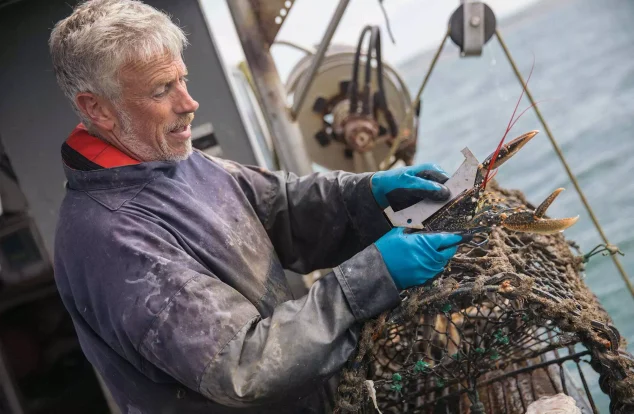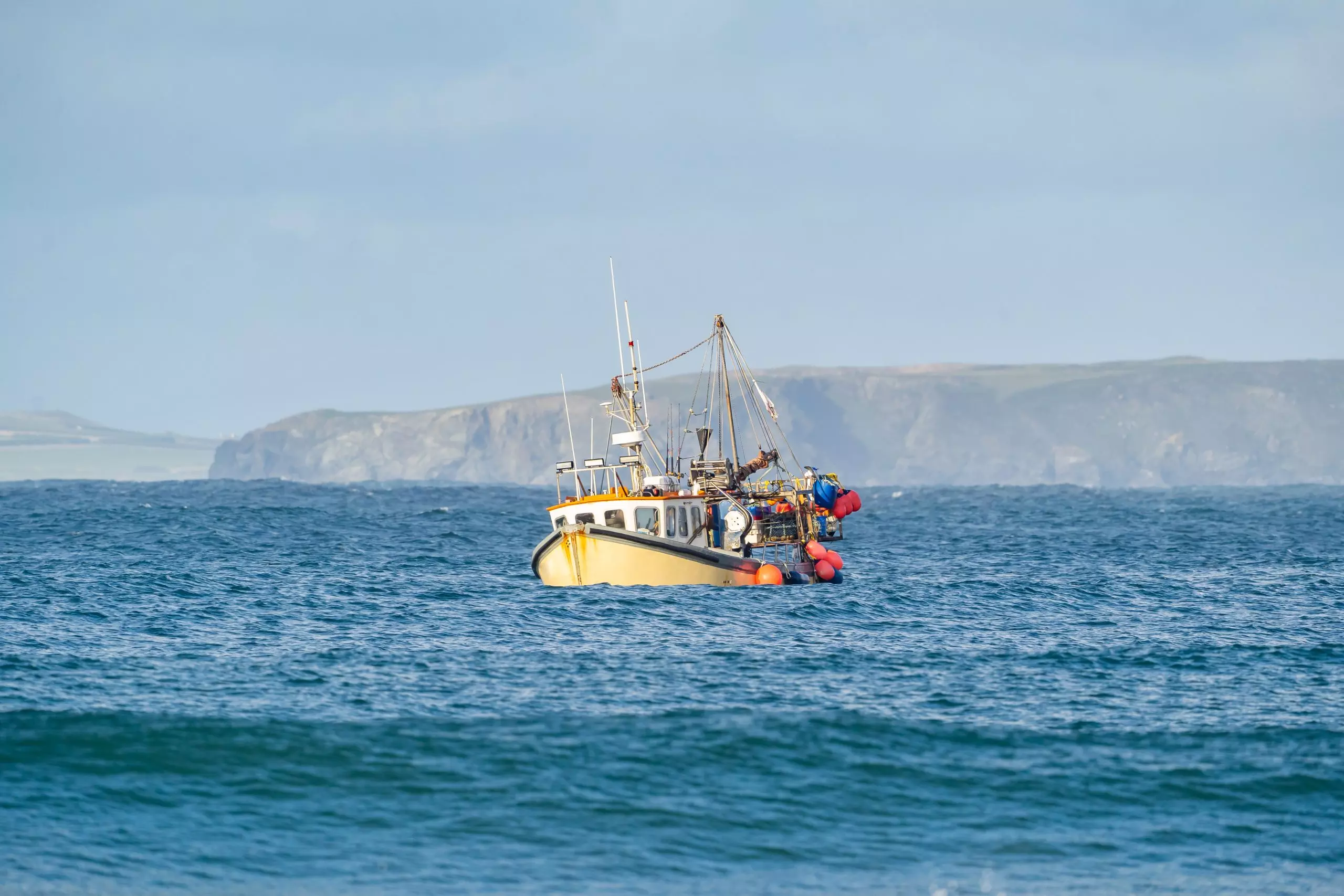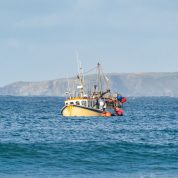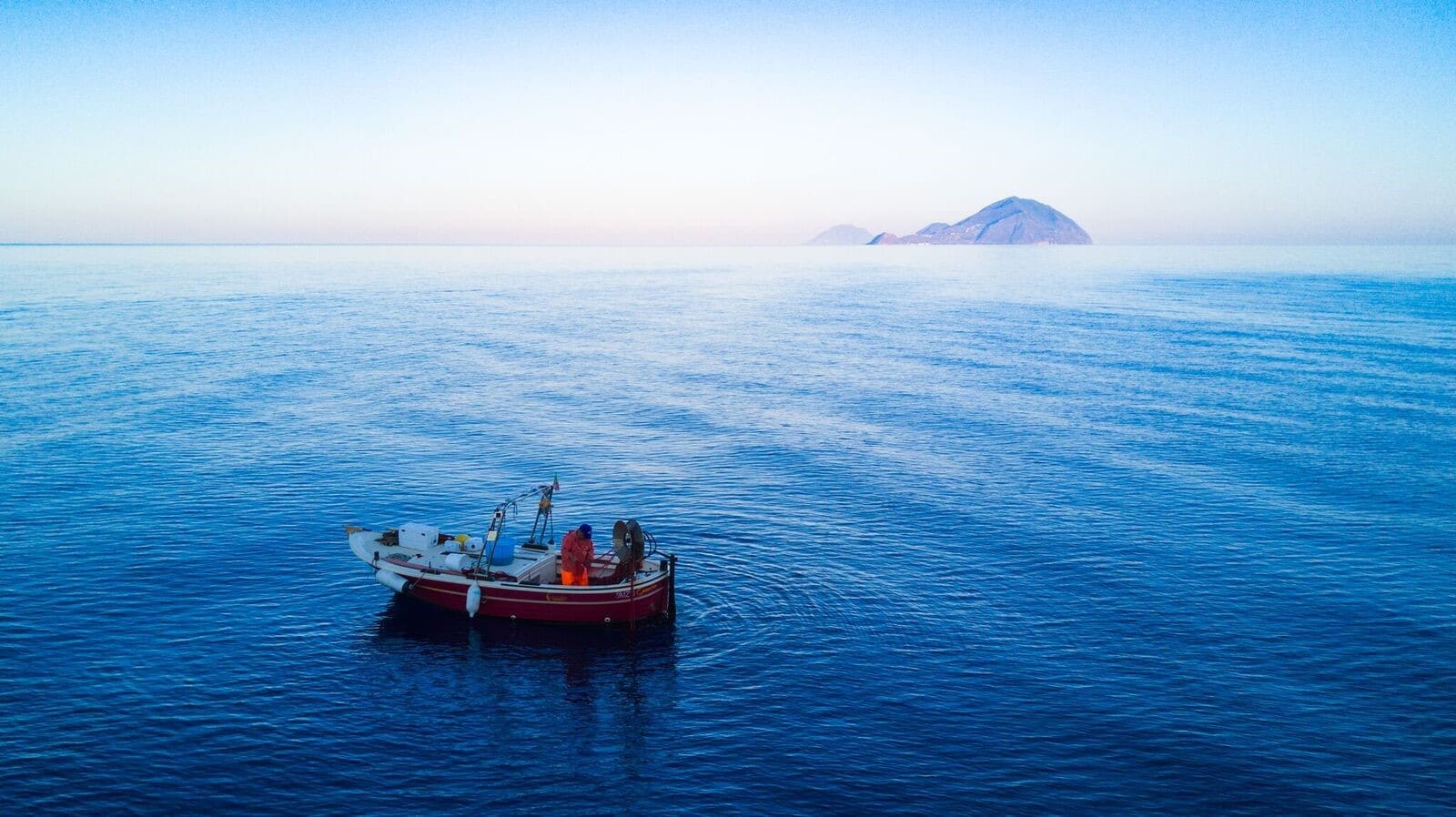
Blue Marine supports low-impact fishing and encourages a transition to ways of fishing that benefit coastal economies without destroying the ocean. Our flagship project at Lyme Bay in England is proof that sustainable fishing and conservation can co-exist.
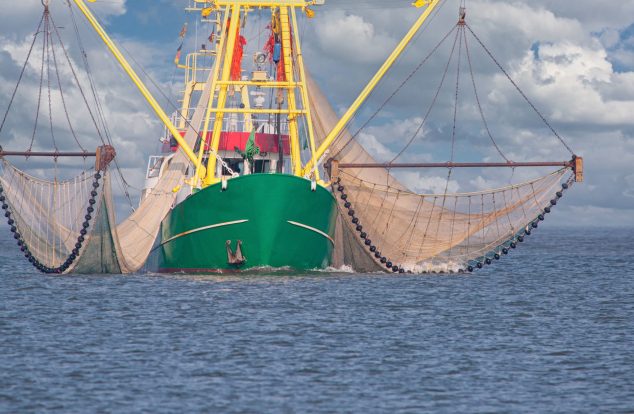
We began its collaborative model with local fishers in 2012, bringing them together with conservationists, researchers, and regulators to manage the Lyme Bay Fisheries and Conservation Reserve and support static-gear fishing within sustainable limits. The reserve’s marine protected area (MPA) protects more than 200 sq km of the English Channel from dredging and trawling.
A move away from destructive fishing practices has significant environmental benefits. To ensure that one problem is not exchanged for another, Blue Marine supports the principles of a ‘just transition’. A just transition requires early engagement with the seafood supply chain. Options to transition to alternative fishing activities must be considered, and avoiding impact on other fisheries, sea-users or the environment.
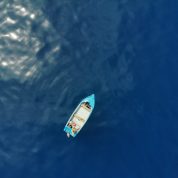
Small-scale fisheries dominate the Mediterranean Sea, where they make up more than 80 per cent of the fishing fleet while only accounting for only 24 per cent of the fish caught. Blue Marine seeks to empower them by adapting the principles of Lyme Bay.
We have scoured the Mediterranean for sites where artisanal fishers will benefit from co-managing MPAs and implementing the Lyme principles: reduce pressure, engage local communities, support better marine management, share knowledge and spread stories of success.
At sites in Greece, Cyprus and Turkey we have established relationships with like-minded organisations and individuals. Our plan is to implement a model adapted to each location, so that a substantial part of each fishing community can lead the way in sustainability. The aim is for these local groups to form a network of knowledge-sharing and collaboration across the Mediterranean.