Project

British Isles

How we help Sussex kelp to recover

Over 96 per cent of highly productive and biodiverse kelp beds have been lost along the Sussex coast in the past 40 yearsProtected by a trawling ban that Blue Marine and partners helped secure, research shows how marine life is bouncing back. 

Marine Life

Marine protection

Restoration

The challenge

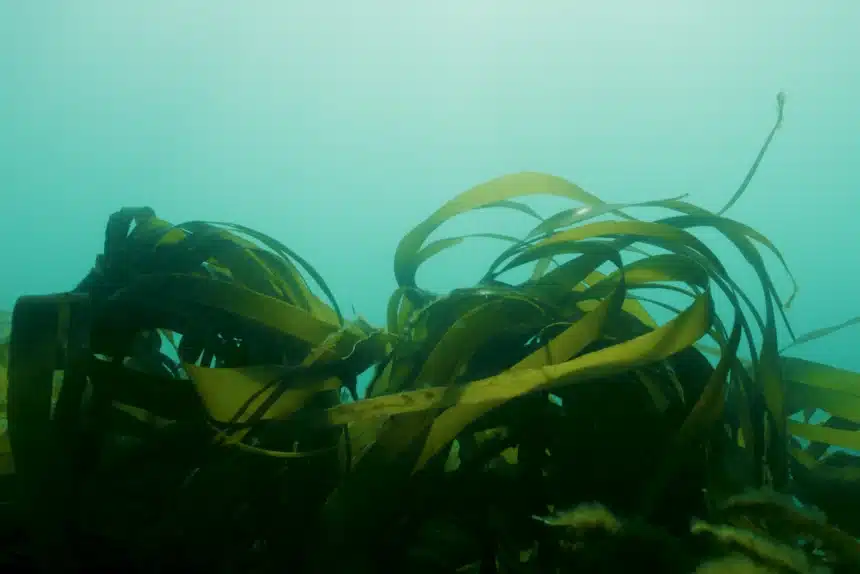
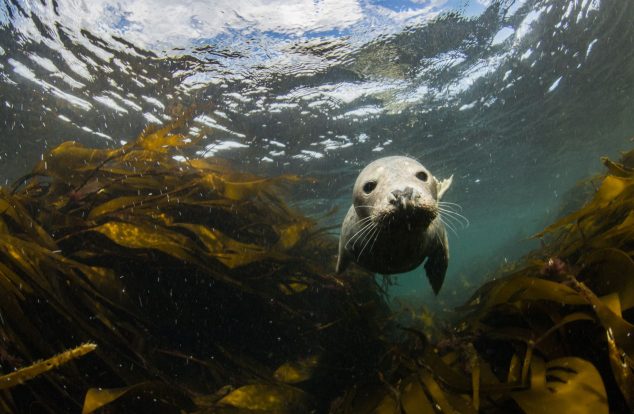
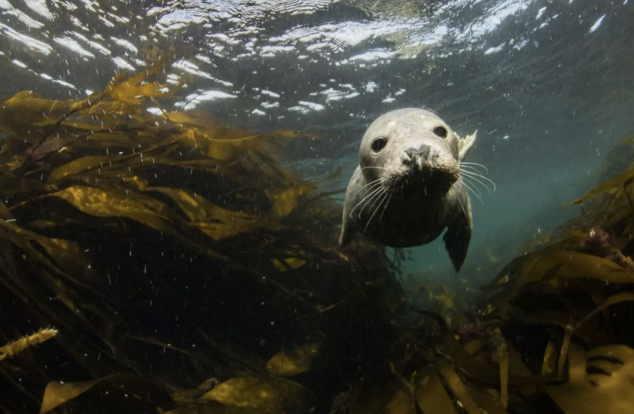
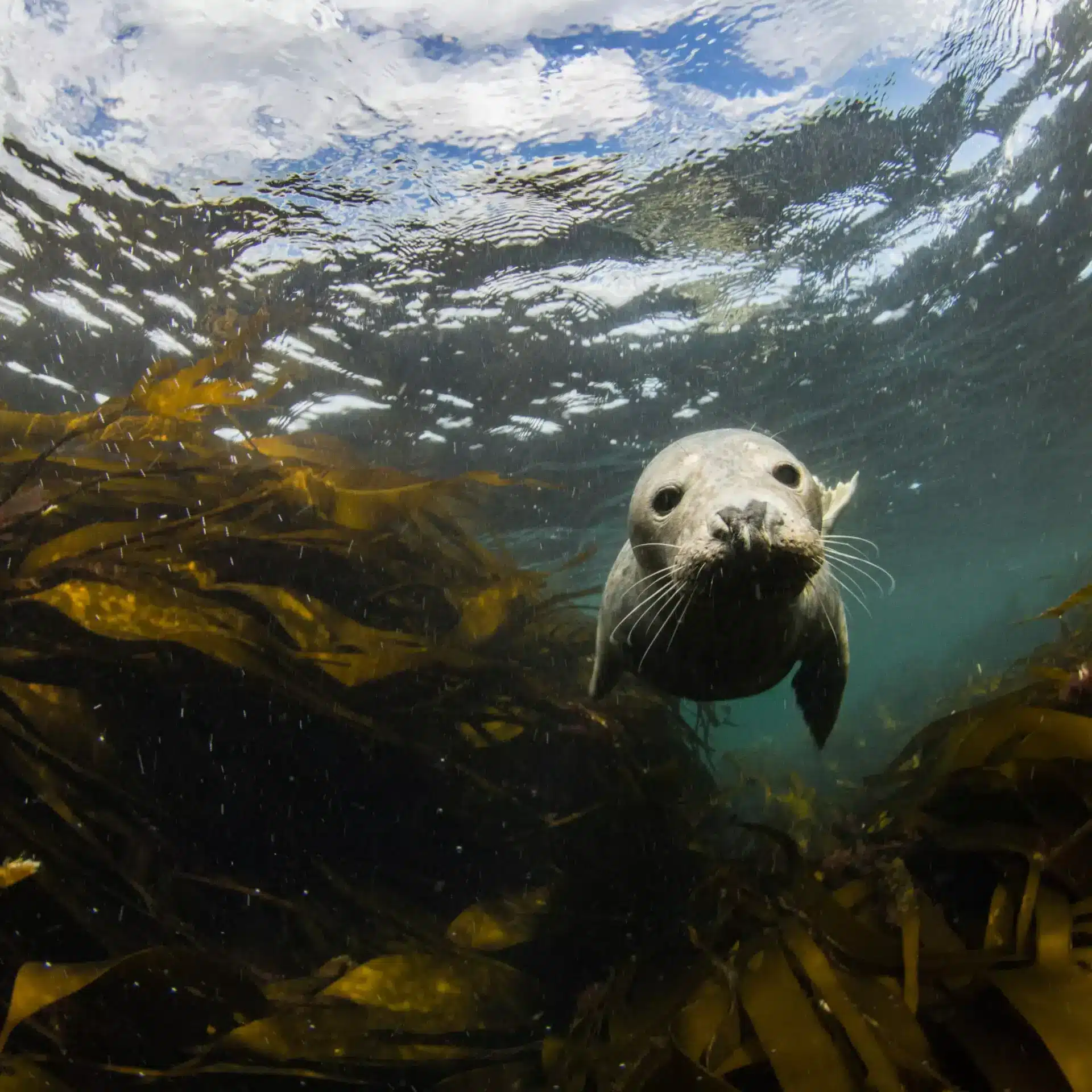
Since 1987, more than 96 per cent of Sussex kelp had been destroyed by storms, trawling and other human pressures. Kelp forests used to stretch for 40 km along the coastline of Sussex in southern England, highly productive and biodiverse environments that provided shelter, feeding and nursery grounds for species including cuttlefish, lobster, sea-bream and bass. To reverse this decline and recover essential fish habitats, the Sussex Inshore Fisheries and Conservation Authority proposed a byelaw in 2019 to prohibit trawling using bottom towed gear. 
 

Our strategy

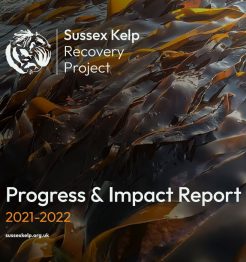
Blue Marine was part of the Help our Kelp campaign that gained support for the byelaw from Sir David Attenborough and 2,500 members of thepublic. A full ban on bottom trawling across 304 sq km of seabed was introduced in 2021 – a landmark decision to protect a large area outside of existing MPAs. Blue Marine with partners in the Sussex Kelp Recovery Project (SKRP) have led an extensive study to track recovery of the kelp beds and the many species and fisheries they support. Evidence of the benefits of recovery for wildlife, people and climate will support our campaign for the restriction of damaging bottom trawling to protect our most sensitive marine ecosystems within all UK MPAs.  


Our impact

  • Help our Kelp campaign supported introduction of the Sussex Inshore Fisheries and Conservation Authority byelaw protecting 304 sq km of seabed from bottom-trawling 
  • Sussex Kelp Recovery Project launched with partners in 2021 to promote and study seabed recovery through research and collaborative community actions 
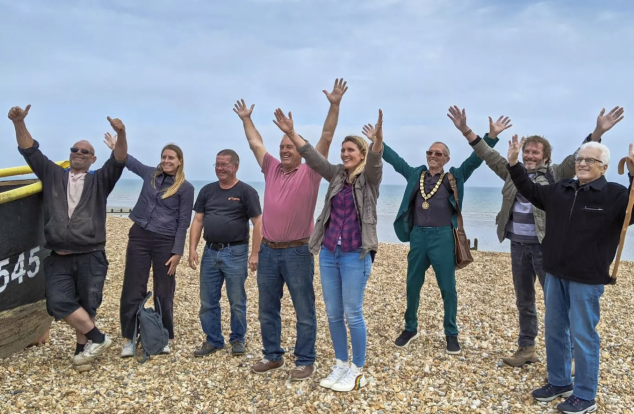
  • Films highlight the impact of bottom trawling on small inshore fishing communities and how Sussex fishermen are working together with conservation to bring Bognor Fishing Back from the Brink 
  • First ever UK Kelp Summit hosted in 2025 attracted over 200 participants 
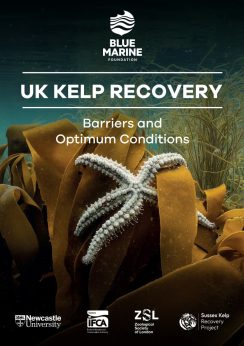
  • Published a report on the Barriers and Optimum Conditions for Kelp Recovery in 2025 

Work in the field

Blue Marine supports the SKRP research programme through annual Baited Remote Underwater Video surveys in partnership with University of Sussex to monitor marine habitats and species recovery, and working with local small-scale fishermen on crab and lobster surveys.

To identify and reduce other human pressures that could affect kelp recovery, Blue Marine has led a review of the Barriers and Optimum Conditions for Kelp Recovery and a series of workshops focused on sediment. High levels of sediment from land run-off and dredge-spoil disposal can reduce the light kelp needs to grow. Blue Marine led two workshops and commissioned a report on Sussex Sediment Sources and Pathways.   

In 2024, the Sussex Inshore Fisheries and Conservation Authority proposed a further trawling ban to cover 143 sq km in Beachy Head East Marine Conservation Zone. Blue Marine supported the proposal using our evidence-base from working in the Lyme Bay Reserve to promote the benefits of protection from bottom-trawling.  

Learn more about UK kelp recovery here.

Help Our Kelp campaign film narrated by Sir David Attenborough

Sussex Kelp Recovery Project vision for nature recovery

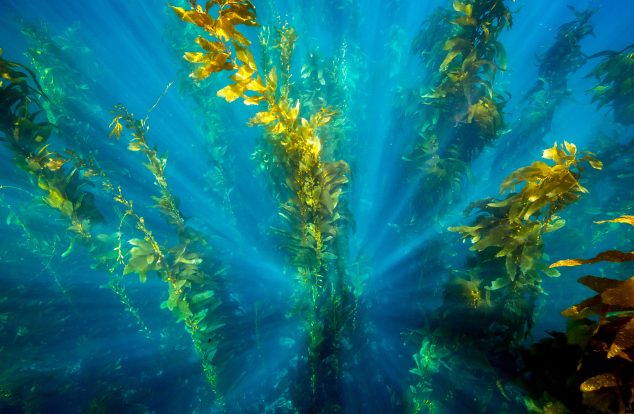
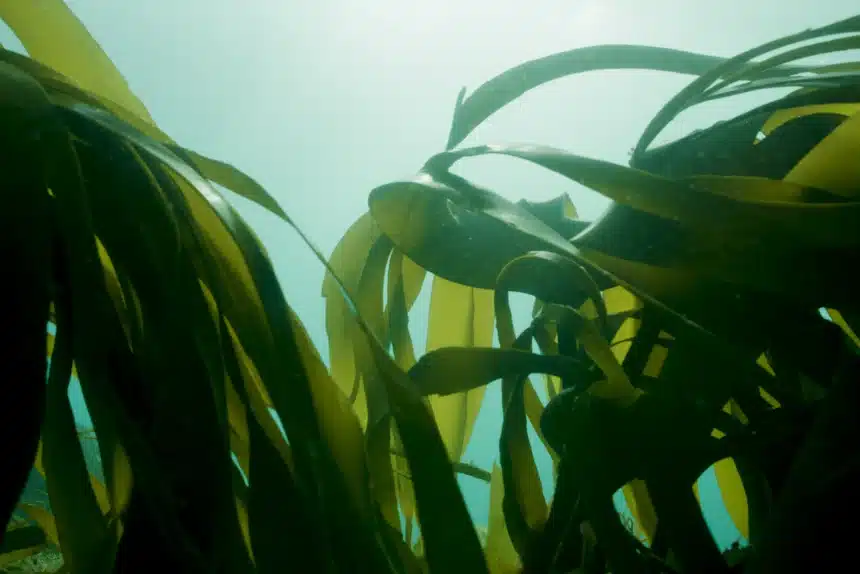
Sunlight shining through a dense green kelp forest

Stay connected

We respect your privacy. By subscribing to our email list, you agree to our Terms & Conditions.

This field is for validation purposes and should be left unchanged.

Stay connected

We respect your privacy. By subscribing to our email list, you agree to our Terms & Conditions.

This field is for validation purposes and should be left unchanged.