Science
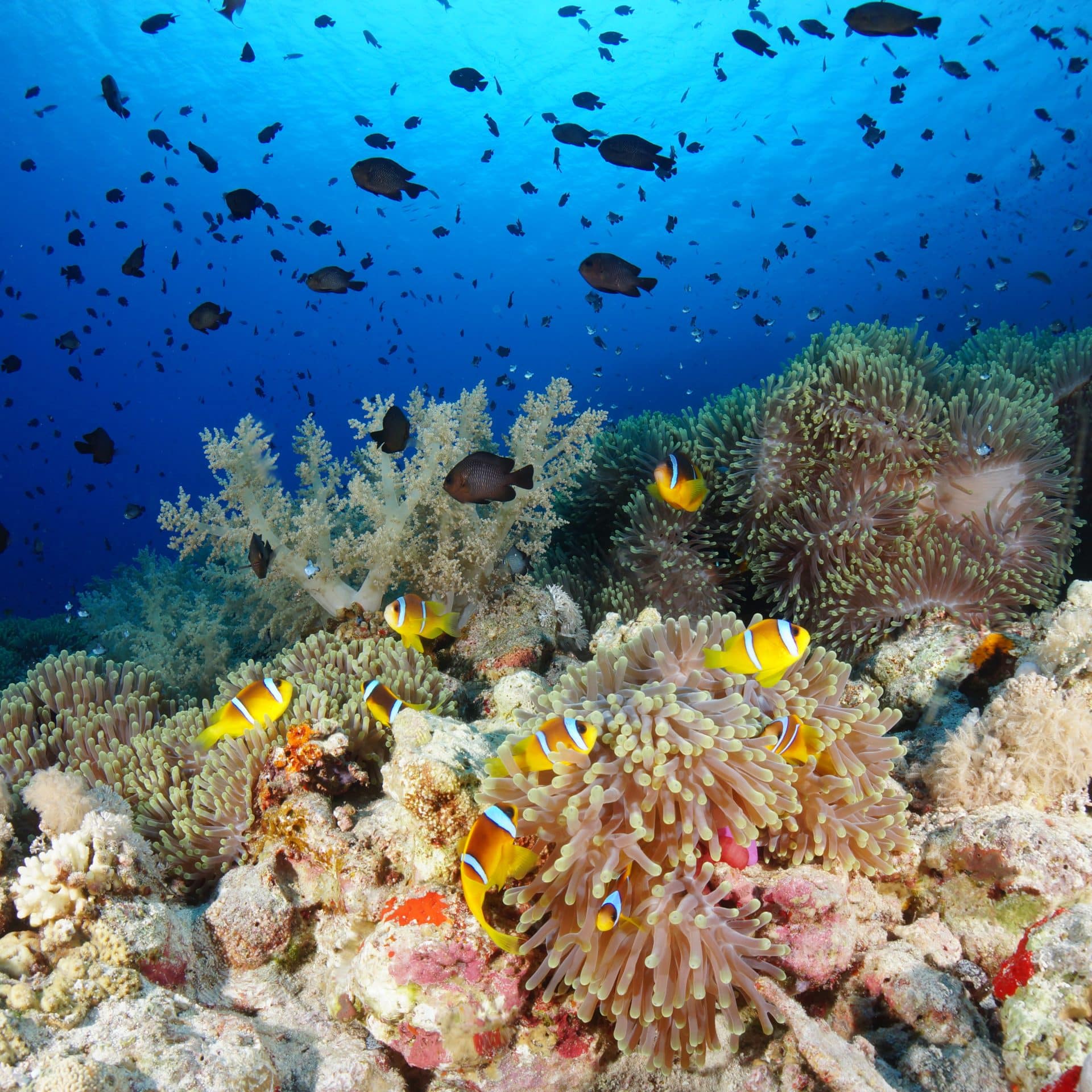
A coral species thought to be extinct has been found in the Galápagos after 25 years!
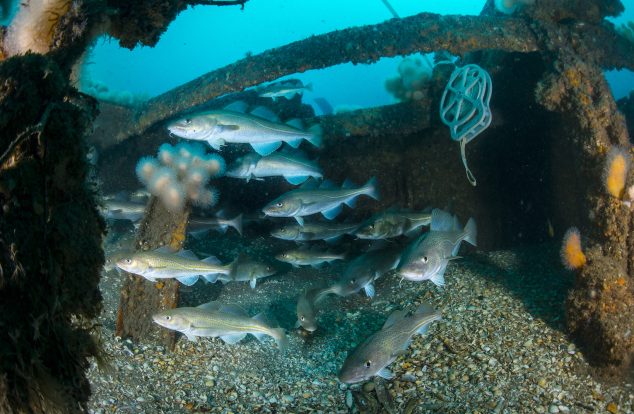
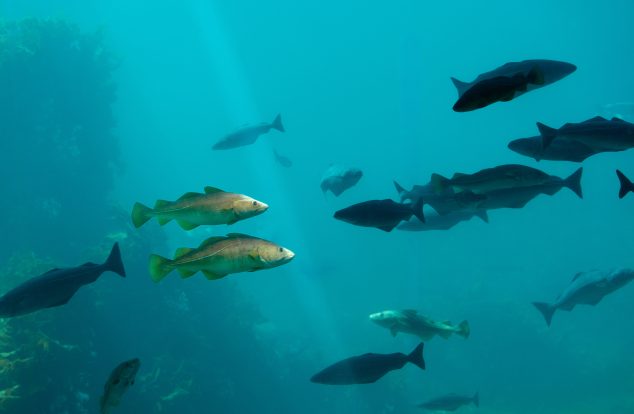
Fish expend nearly twice as much energy when hovering in place compared to resting. Contrary to the long-held belief that hovering is effortless due to neutral buoyancy provided by swim bladders.
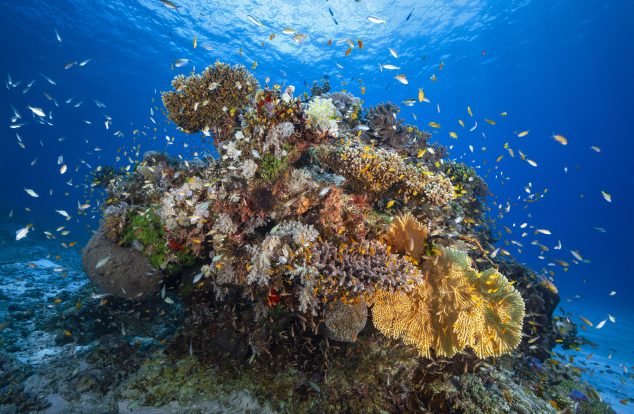
A new study has found that while temperate and deep-water coral reefs could serve as potential climate refuges, ocean warming is occurring too rapidly for corals to migrate and establish new reefs in time. However, other research suggests that some coral populations are gradually adapting to heatwaves by developing greater heat tolerance, offering a glimmer of hope for the future resilience of coral ecosystems.
Fisheries
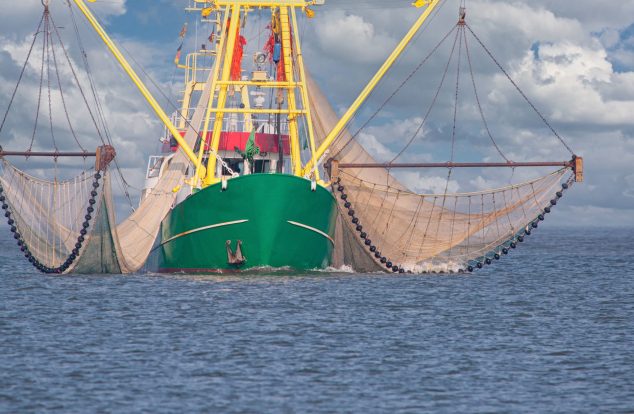
The European Parliament has approved new rules to stop unsustainable fishing by non-EU countries, allowing the EU to sanction those who don’t fish responsibly by banning their imports.
A new global data hub launched in Malaysia is helping small-scale fishers adapt to climate change.
Former shark fishermen in Indonesia are transitioning to shark conservation efforts due to overfishing, by participating in tagging and releasing initiatives, aiming to protect shark populations.
Young Greenland sharks have been found to grow up in the Skagerrak region between Denmark, Norway, and Sweden, an important nursery and feeding ground for the species that faces ongoing pressures from commercial fishing and bycatch.
UK Overseas Territories
Coral cover in Little Cayman dropped from 26 per cent in 2023 to just under 10 per cent in 2024, the steepest decline since monitoring began in 1999.
South Georgia commemorated its 250th anniversary with the release of new wildlife-themed stamps, highlighting the island’s transformation from a resource-exploited territory to a globally recognised hub for conservation and scientific research.
Marine Protection
The Scottish government has proposed new Shellfish Water Protected Areas (SWPAs) to help protect shellfish as part of its plan to designate 10 per cent of its seas as Highly Protected Marine Areas (HPMAs) by 2026, with public consultation open until 29th September.
The U.S. government is fast-tracking deep-sea mining approvals, prompting several companies to seek mining rights, despite major concerns about potential harm to marine life and the unknown risks involved.
A toxic acid spill from a copper mine in Zambia has badly damaged the Kafue River, killing fish, polluting water, and threatening the livelihoods of those who rely on it.
Belize is ramping up efforts to protect its coral reefs from extreme heat and widespread disease by expanding marine protected areas, as well as training communities in reef monitoring and restoration.
Conservation
Thousands of fish species use sounds for communication and reproduction, yet new research suggests that conservation policies often overlook the impact of noise pollution on these behaviours.
Mexican fishermen are working with scientists to save the endangered Lake Pátzcuaro salamander by helping hatch and protect its eggs before releasing the young back into the lake.
NatureScot has launched a free app called SkateSpotter to help people in Scotland report sightings of the endangered flapper skate and support its protection.
Boosting key nutrients like iron, cobalt, zinc, and silicon in the Southern Ocean can stimulate phytoplankton growth, enhancing their role in capturing carbon dioxide.
Climate Crisis
Last month, solar energy became the EU’s top power source, driven by increased solar capacity and sunny weather, with 13 countries hitting new solar records.
Satellite images show that restoring peatlands in the Northern Hemisphere helps improve temperature control and reflect more sunlight.
Climate change is accelerating the melting of glaciers and ice caps, which could increase the risk of volcanic eruptions, particularly in West Antarctica, where many volcanoes lie concealed beneath the ice.
Forests are struggling to adapt to rapid climate change, with tree populations taking 100 to 200 years to adjust.
Misc
See this week’s wildlife photos.
“We always think of ourselves as separate from nature, but we are a part of our ecosystems.”
“Nature is not for sale.”
“Politicians are retreating from net zero because they think the public doesn’t care. But they’re wrong.”
“Climate anxiety meant I could no longer work as a pilot. But I love flying – and I know we can transform aviation.”
“The economics of these proposed cuts ignore a fundamental truth: investments in NASA science have been and are a powerful driver of the U.S. economy and technological leadership.”