Science
Scientists have discovered two new species: the darkest-ever dwarfgoby fish in Papua New Guinea and the blue-spotted maskray stingray in Fiji.
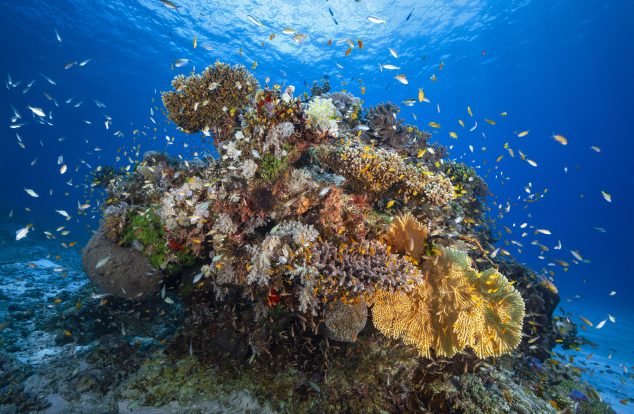
Researchers have found that listening to the high-frequency snaps made by snapping shrimp can help monitor and assess coral reef health and recovery.
Fisheries
The UK’s Environment, Food and Rural Affairs (EFRA) Committee has launched a call for evidence, inviting submissions by 5 September 2025, focused on the £360 million Fishing and Coastal Growth Fund.
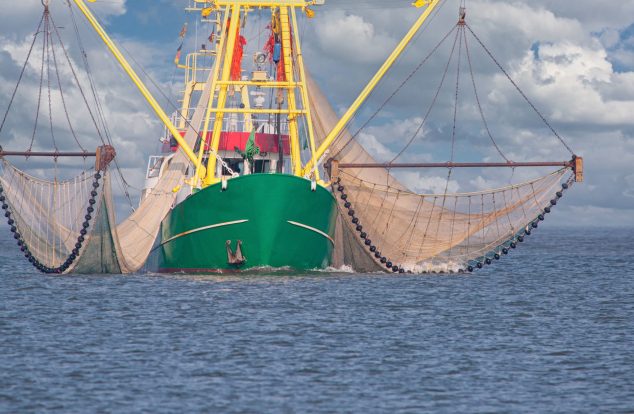
Ireland will ban fishing vessels over 18 meters from trawling in inshore waters starting October 2026, with some restrictions beginning in October 2025.
Peru has concluded its first anchovy fishing season of 2025, catching over 80 per cent of the 3-million-tonne quota, while China’s fishing remains limited due to ongoing restrictions.
Human activity and invasive fish in Brazil’s Paraná River have cut fishing catches in half and lowered the value of native fish.
UK Overseas Territories
Terra Nova Expeditions is launching “budget-friendly” Antarctic cruises aboard the refurbished RMS St Helena, but there are growing concerns about how increased tourism might impact this fragile environment.
The decline in Loligo gahi squid catches around the Falkland Islands is believed to stem from overfishing, climate change, and potentially harmful offshore oil seismic explorations. These seismic surveys are of growing concern because they use powerful sound waves to locate oil deposits, disrupting the squid’s larval and juvenile stages and affecting their natural life cycles.
Conservation
One in four of Africa’s freshwater fish species is at risk of extinction due to habitat destruction, pollution, overfishing, invasive species, and climate change.
Urgent policy measures are needed to protect polar bears and beluga whales in the Arctic, as rapidly melting sea ice is destroying their habitat. Additionally, warming oceans are affecting Humpback whales, which have been observed beginning their migrations earlier than ever before.
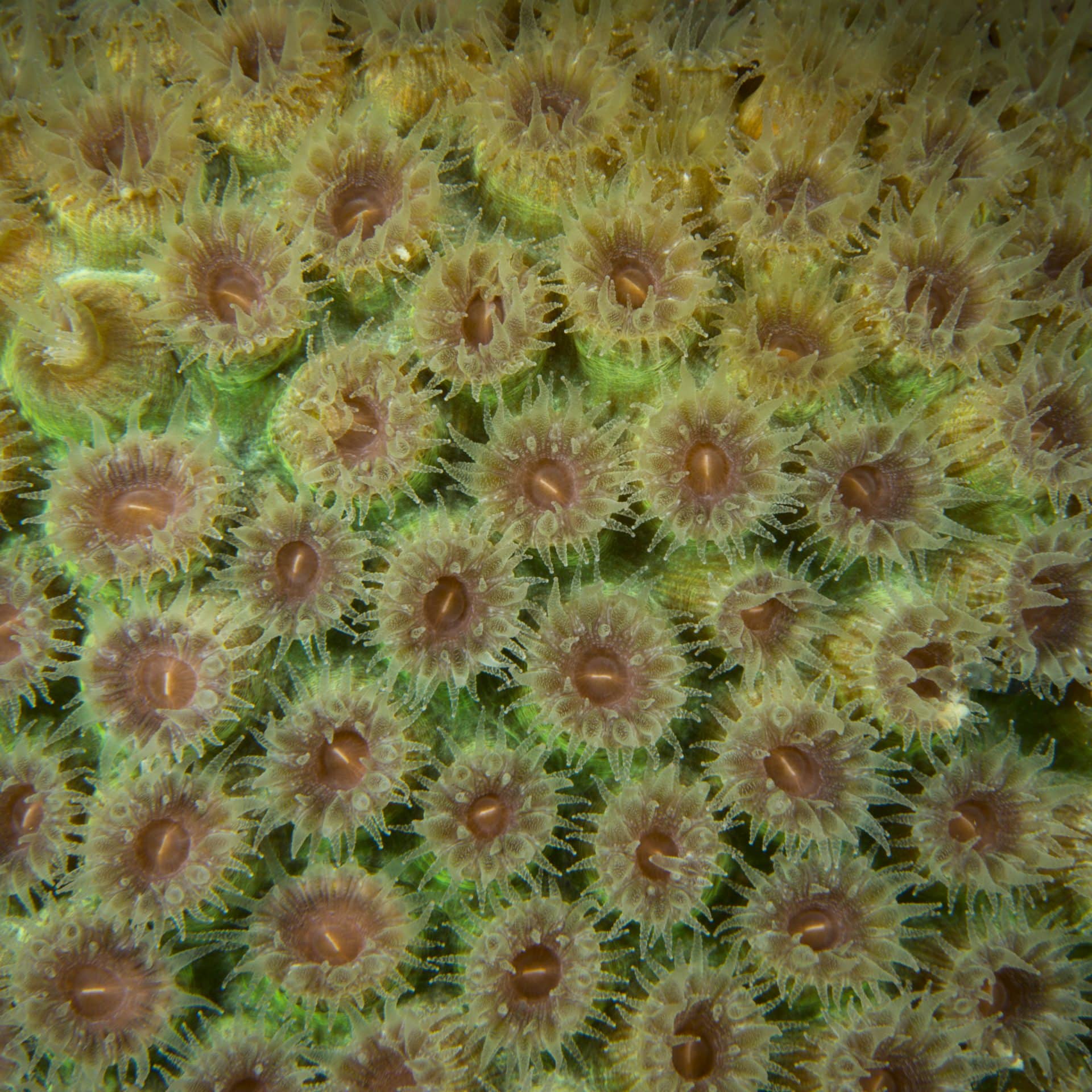
Applying a bacterial probiotic to great star corals in Florida’s Reef Tract has significantly slowed the progression of stony coral tissue loss disease (SCTLD), with treated corals losing only 7 per cent of their tissue compared to 35 per cent in untreated corals.
For the first time, scientists have successfully used multi-sensor biologging tags on whitespotted eagle rays to monitor their movements, feeding behaviour, and interactions with other species, providing valuable new insights into these elusive animals.
Conservationists in Thailand are raising and releasing bamboo and leopard sharks to help rebuild coral reefs.
Climate Crisis
This week, the International Court of Justice issued a historic advisory opinion affirming that countries are legally obligated under international law to prevent climate harm, including through reducing greenhouse gas emissions and protecting vulnerable communities, and may be held accountable for failure to act. This has cleared the way for countries to sue each other over climate change.
Ocean acidification, caused by rising carbon dioxide levels, is making the ocean more acidic, threatening marine life and entire food chains. At the same time, blue carbon ecosystems like mangroves play a vital role in protecting coastal communities, such as those in the Philippines, from storms and climate disasters. However, restoring these forests can be costly, averaging around $8,100 per hectare depending on the location.
UK ministers have pledged to address all sources of water pollution in England and Wales, as serious pollution incidents involving water companies rose by 60 per cent in 2024.
Plastics
Sri Lanka is now dealing with plastic pollution from the cargo ship that sank off India’s coast.
Central American countries, especially along the Pacific coast, are facing severe plastic bottle pollution.
Negotiations resume in August 2025 for a legally binding UN treaty to curb plastic pollution.
Misc
See this week’s wildlife photos.
“Oil does not guarantee stability.”
“As heat waves become more frequent and intense under climate change, the 2014-16 Northeast Pacific marine heat wave provides a critical example of how climate change is impacting ocean life, and how our future oceans may look.”
“We pushed the world’s highest court to listen – and it did. Now we move from legal words to living change. Young people will make sure this ruling cannot be shelved or spun.”
“How to reduce your food footprint: if it’s better for you, it’s better for the planet.”